
🥢 Introduction
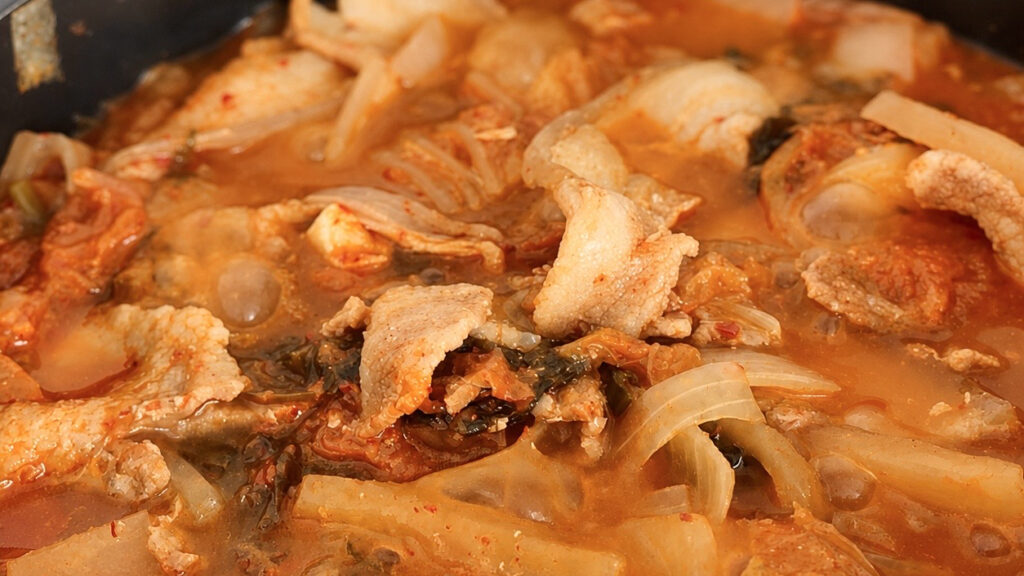
There’s something incredibly comforting about a pot of Korean Kimchi Stew (Kimchi Jjigae) simmering on the stove. The rich aroma of fermented kimchi, tender pork, garlic, and spicy broth instantly fills the kitchen and makes everyone hungry before dinner is even ready.
Growing up in Korea, Kimchi Jjigae was one of those meals that appeared on our table again and again. It wasn’t a special occasion dish or something we only ate at restaurants. It was everyday comfort food—simple, affordable, and always satisfying. Every family has its own version, and no two recipes are exactly the same, which is part of what makes this dish so special.
Now that I cook for my own family, Kimchi Jjigae is still one of my favorite recipes to make. Whenever I have well-fermented kimchi in the refrigerator, I know dinner is going to be easy. With just a handful of simple ingredients, I can make a warm, hearty meal that everyone enjoys. It’s the kind of recipe that tastes even better as it simmers, filling the kitchen with an irresistible aroma.
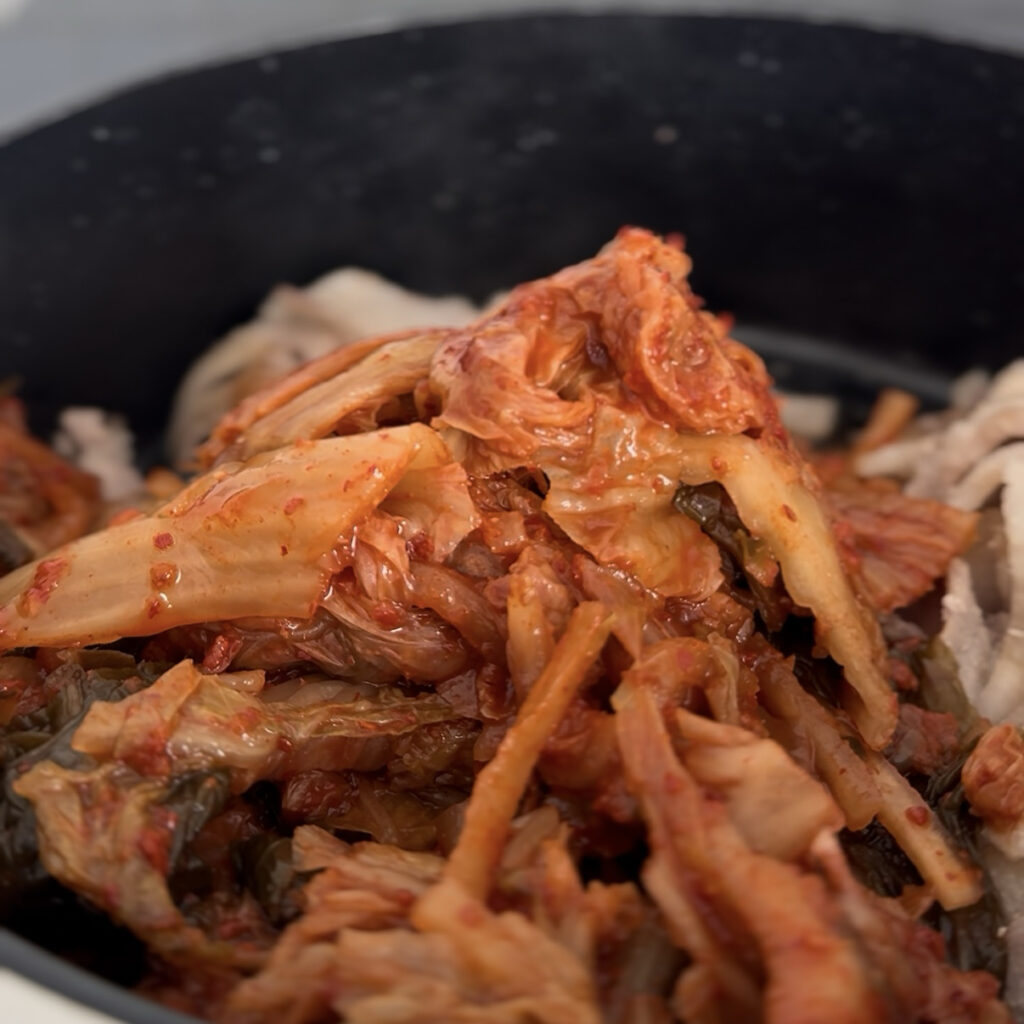
The secret to an authentic Kimchi Jjigae isn’t a long list of ingredients—it’s using well-fermented kimchi and allowing the stew to simmer long enough for the flavors to come together. As it cooks, the kimchi becomes softer, the pork turns incredibly tender, and the broth develops a deep, rich flavor that’s spicy, savory, and full of umami.
This recipe is the version I make most often because it’s simple enough for busy weeknights but delicious enough to serve whenever I’m craving a taste of home. Whether you’re making Korean food for the first time or already love Korean cuisine, this easy Kimchi Jjigae recipe is one you’ll want to cook again and again.
Serve it with a bowl of freshly steamed rice, and you’ll quickly understand why Kimchi Jjigae has remained one of Korea’s most beloved comfort foods for generations.
🛒Ingredients
You’ll only need a handful of simple ingredients to make this comforting Korean Kimchi Stew (Kimchi Jjigae). While the ingredient list is short, each one plays an important role in creating a rich, flavorful broth.
Don’t worry if your kimchi has become a little too sour to enjoy on its own—that actually makes it perfect for Kimchi Jjigae. Well-fermented or slightly overripe kimchi develops a deeper, richer flavor as it simmers, giving the stew its signature taste. In fact, many Koreans save older kimchi specifically for making this dish.
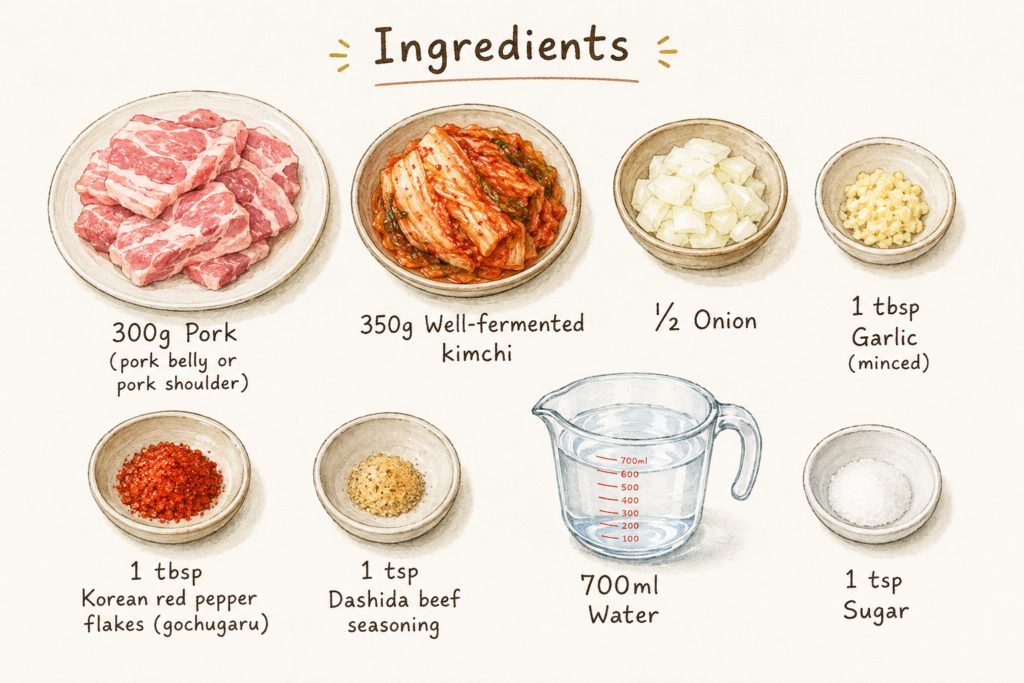
Here’s everything you’ll need:
✓ 300g Pork : Pork belly or pork shoulder works best. The fat adds richness and keeps the meat tender as it simmers.
✓ 350g Well-fermented kimchi : The star of the dish. Aged kimchi gives the stew its signature tangy, deep flavor.
✓ ½ Onion : Adds natural sweetness and balances the sourness of the kimchi.
✓ 1 tbsp Garlic : Fresh minced garlic gives the stew its bold, savory aroma.
✓ 1 tbsp Korean red pepper flakes (gochugaru): Adds color, spice, and authentic Korean flavor. Adjust to your preferred spice level.
✓ 1 tsp Dashida beef seasoning : Boosts the broth with extra umami, just like many Korean home cooks do.
✓ 700ml Water : Don’t worry if you don’t have any stock on hand. Plain water works beautifully because the kimchi, pork, and seasonings naturally create a rich and delicious broth.
✓ 1 tsp Sugar : Helps balance the sourness of well-fermented kimchi without making the stew taste sweet.
✓ ½ tbsp Gochujang (Korean red pepper paste): Adds extra depth and a subtle richness to the broth.
🍳 How to Make Kimchi Jjigae
Step 1. Brown the Pork
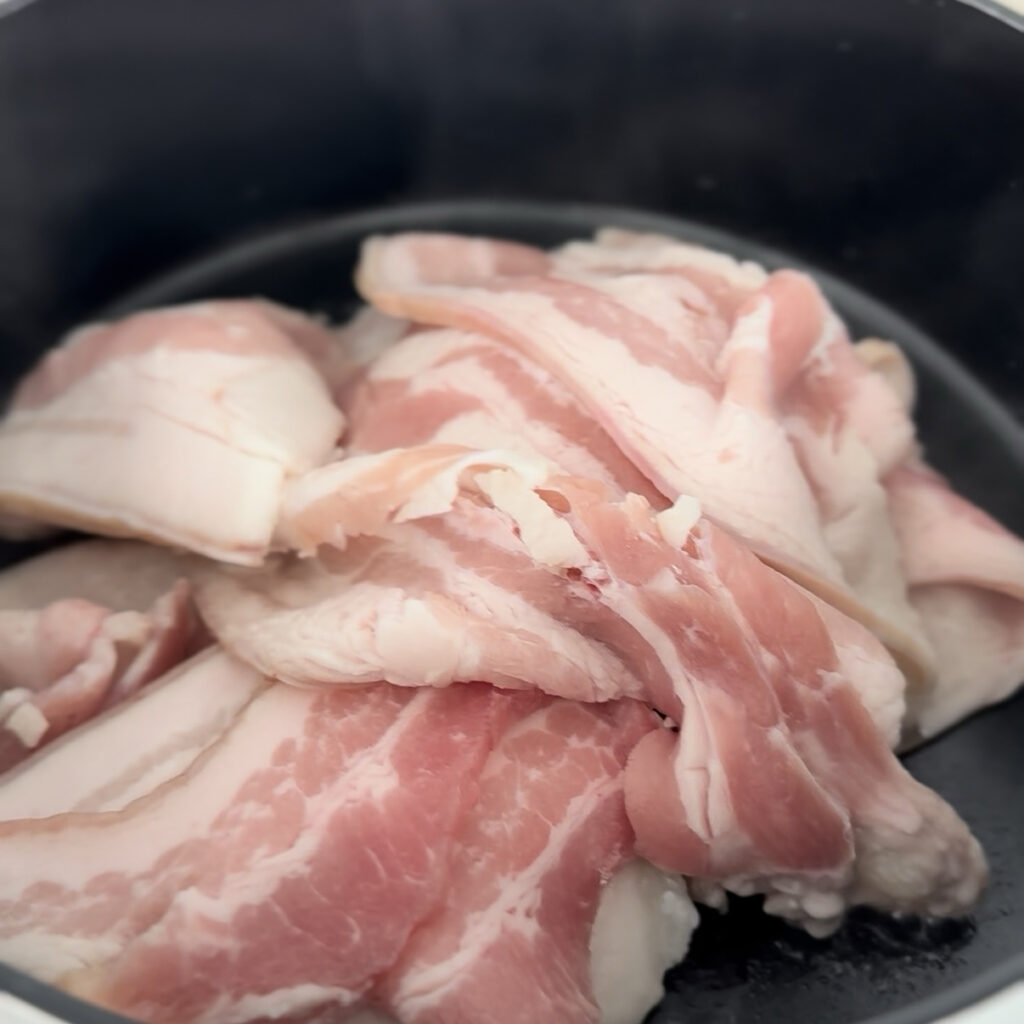
Heat a large pot over medium heat and add the pork. Cook for 4–5 minutes, stirring occasionally, until the meat is lightly browned and some of the fat has rendered.
The rendered pork fat becomes the foundation of the broth, adding richness and depth of flavor. There’s no need to drain it before moving on to the next step.
Step 2. Cook the Kimchi and Onion
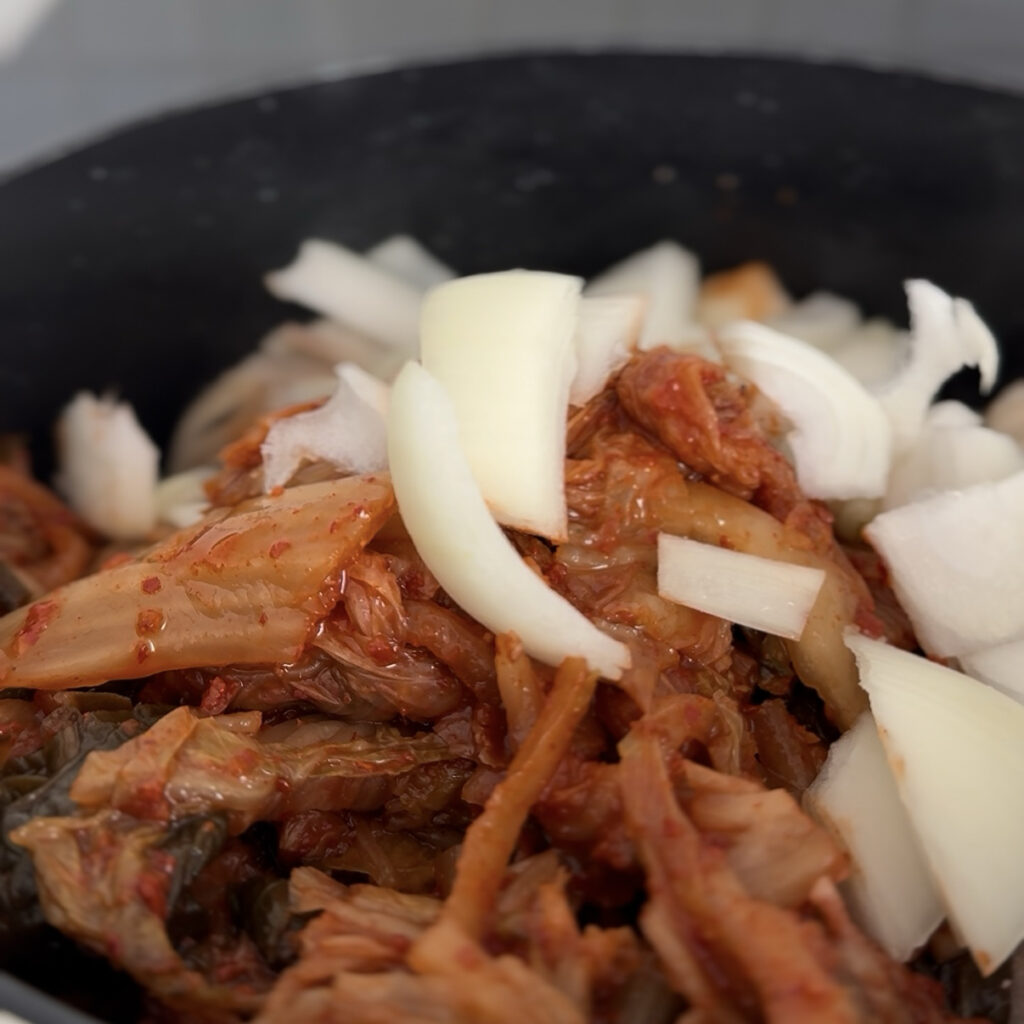
Add the kimchi and onion, then cook for about 5 minutes, stirring occasionally.
Cooking the kimchi before adding water helps soften its sharp acidity while concentrating its savory flavor. This simple step makes a noticeable difference in the finished stew.
Step 3. Bloom the Gochugaru
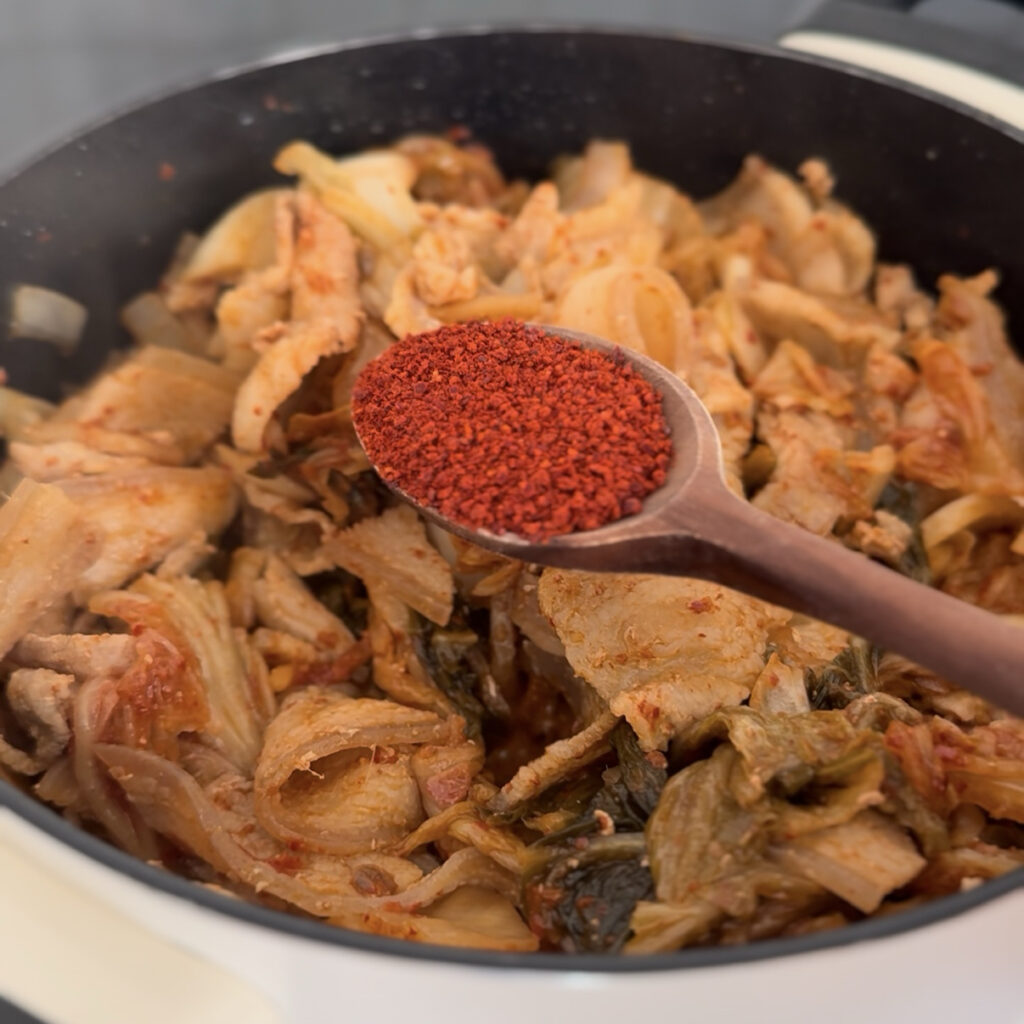
Sprinkle in the gochugaru and stir for about 30 seconds.
Briefly cooking the chili flakes in the pork fat enhances both their color and aroma. Just avoid cooking them for too long, as burnt gochugaru can taste bitter.te.
Step 4. Add the Water and Seasonings
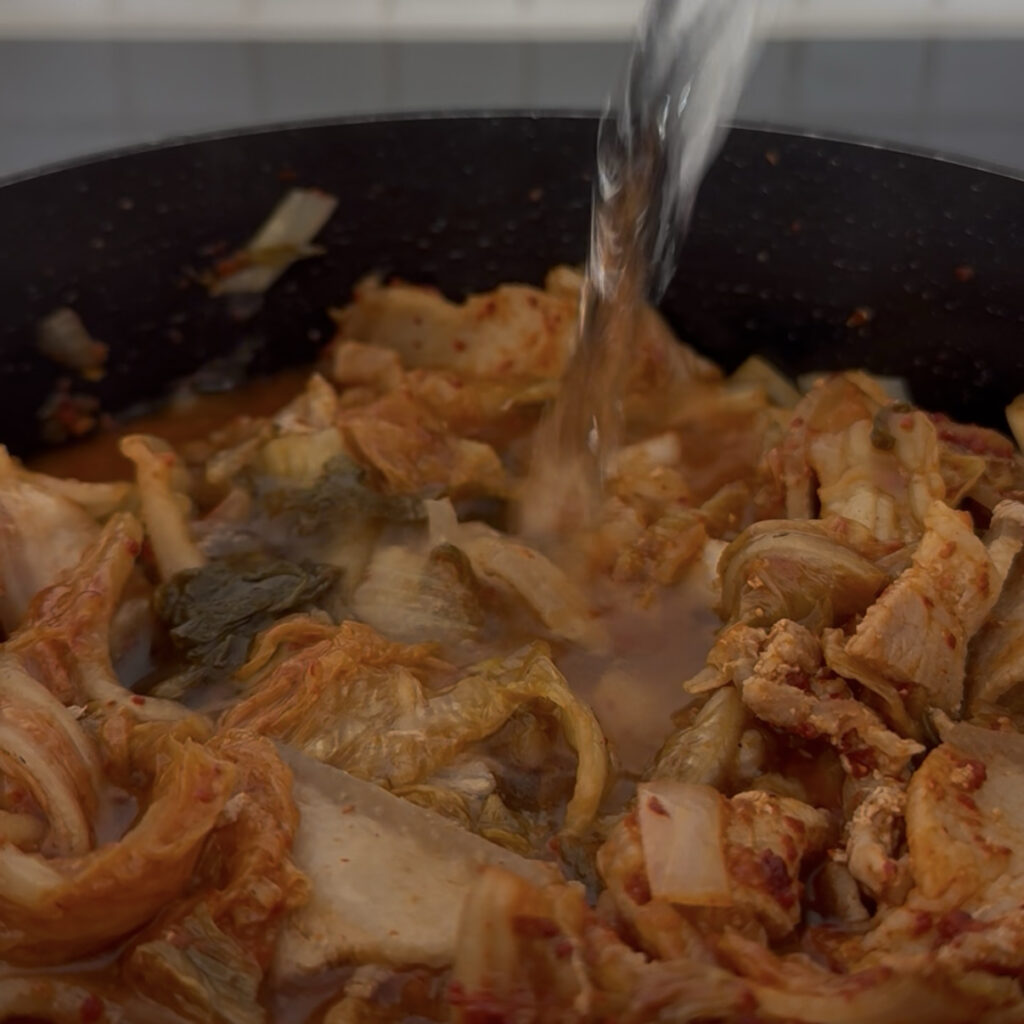
Pour in the water, then stir in the minced garlic, Dashida, Gochujang, and sugar. Bring the stew to a gentle boil.
Although this recipe uses plain water, the kimchi, pork, garlic, and seasonings naturally create a rich, flavorful broth. The small amount of sugar simply balances the sourness of the kimchi without making the stew taste sweet.
Step 5. Simmer
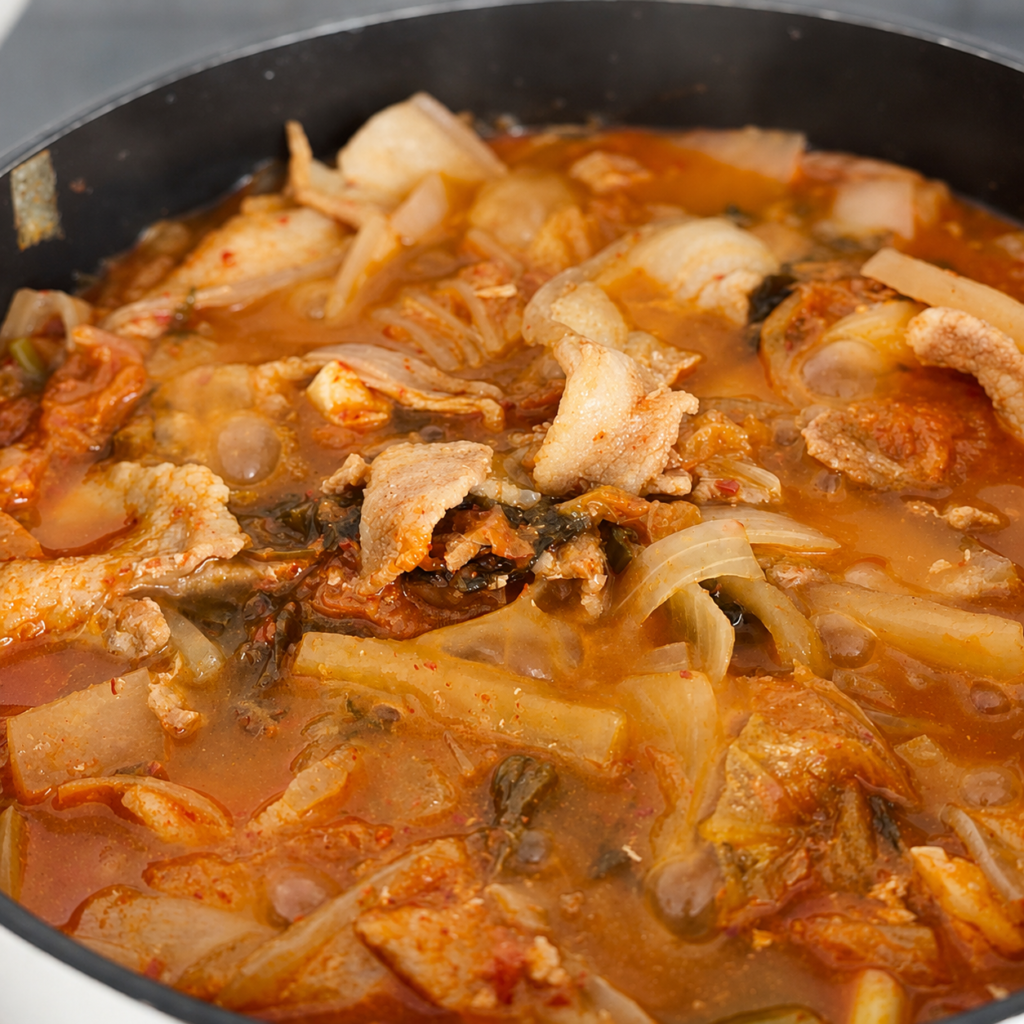
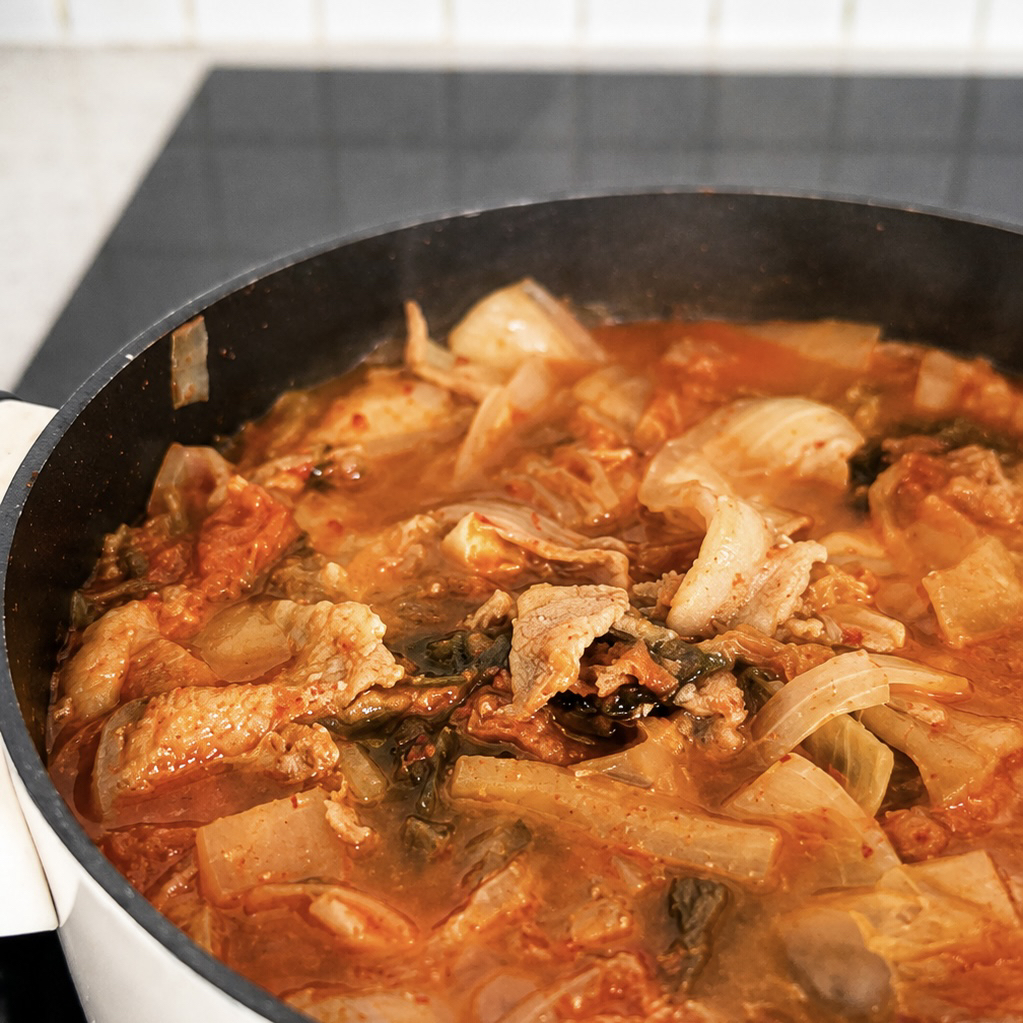
Reduce the heat to low and let the stew simmer for 20–30 minutes.
Keep the stew at a gentle simmer rather than a rapid boil. Simmering gently allows the flavors to develop while helping the kimchi retain some of its texture. Boiling it over high heat for too long can make the kimchi overly soft.
Step 6. Serve
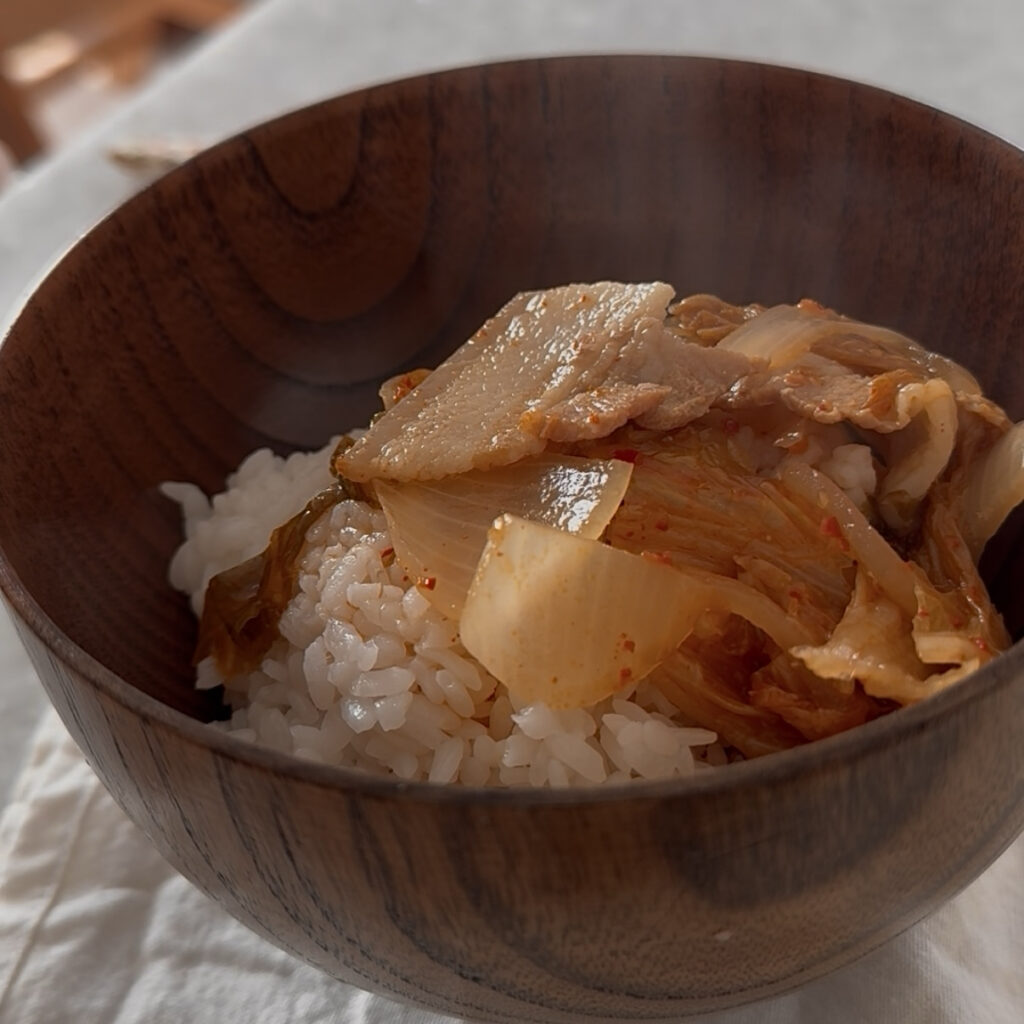
Serve hot with steamed rice.
Kimchi Jjigae is one of those dishes that often tastes even better the next day, making leftovers just as delicious.
🍽️ Serving Tips
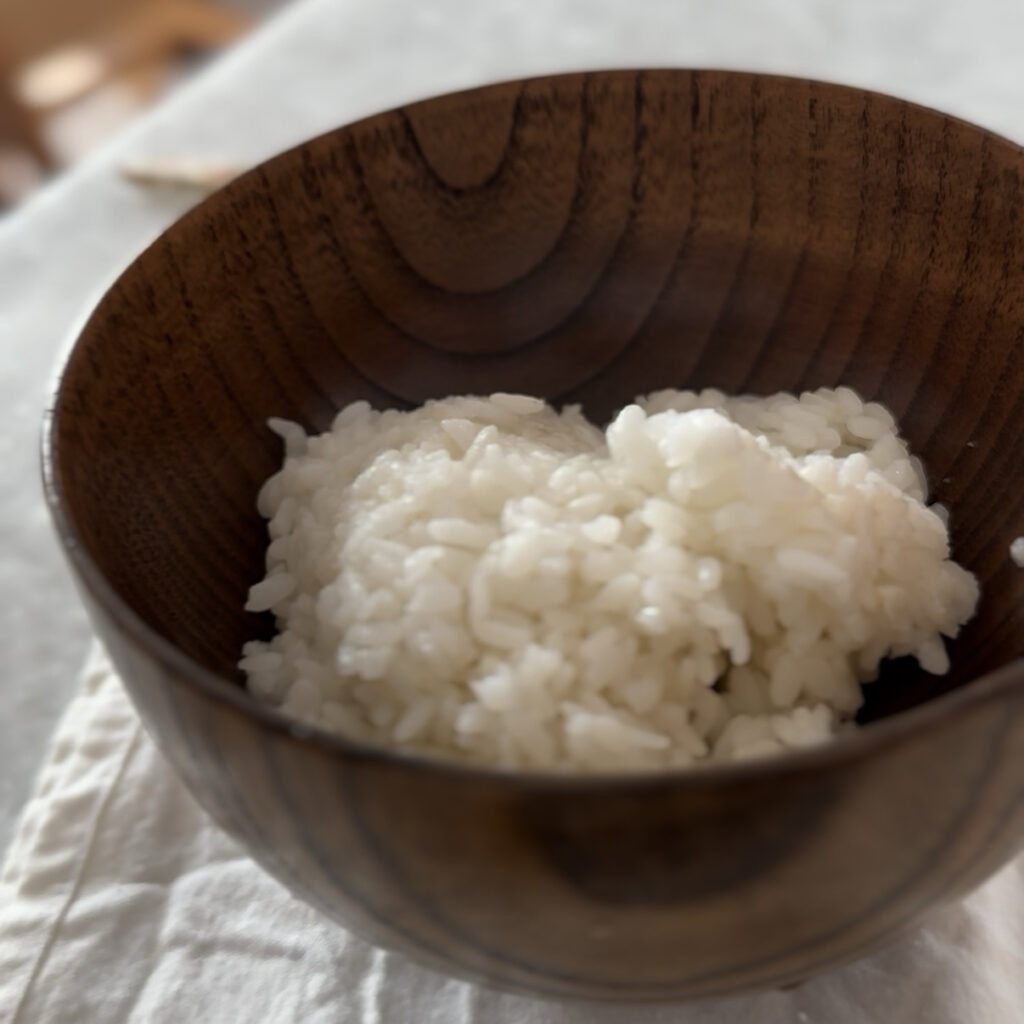
Kimchi Jjigae is best served piping hot with a bowl of steamed white rice. The rice helps balance the stew’s bold, spicy, and tangy flavors while soaking up the rich broth.
For a complete Korean meal, pair it with simple side dishes such as Korean rolled omelet (gyeran mari), seasoned spinach (sigeumchi namul), or roasted seaweed.
Leftover Kimchi Jjigae often tastes even better the next day as the flavors continue to meld overnight. Simply reheat until hot and serve with freshly steamed rice.
❓ FAQ
Q. Can I use fresh kimchi instead of aged kimchi?
A. Yes, but the stew will have a milder flavor. If possible, let the kimchi ferment for a few more days before making Kimchi Jjigae. Well-fermented kimchi creates a much deeper and richer broth.
Q. Can I make Kimchi Jjigae less spicy?
A. Absolutely. Simply reduce or omit the gochugaru. The stew will still have plenty of flavor from the kimchi, pork, garlic, and seasonings, although it will be milder and lighter in color.
Q. Why does my Kimchi Jjigae taste bland?
A. The most common reason is that the kimchi isn’t fermented enough. Well-fermented kimchi gives the stew its signature deep, tangy flavor.
If the stew still tastes bland, try adding a little more Dashida, Korean soup soy sauce (guk ganjang), or salt to taste. Simmering it for another 10–15 minutes can also help the flavors develop.
Q. What cut of pork is best for Kimchi Jjigae?
A. Pork belly and pork shoulder are the most popular choices. Pork belly creates a richer broth, while pork shoulder offers a meatier texture with slightly less fat.
Q. Can I make Kimchi Jjigae without Dashida?
A. Yes. Dashida adds extra savory depth, but you can still make a delicious Kimchi Jjigae without it. If needed, season the stew with a little Korean soup soy sauce (guk ganjang) or salt to taste before serving.
Q. How long does Kimchi Jjigae last?
A. Store leftovers in an airtight container in the refrigerator for up to 3 days. Many people find that Kimchi Jjigae tastes even better the next day as the flavors continue to meld.
Q. Can I freeze Kimchi Jjigae?
A. Yes. Let the stew cool completely before transferring it to a freezer-safe container. Freeze for up to 2 months and thaw overnight in the refrigerator before reheating.
👉👉 You Might Also Like
🇰🇷 Helpful Korean Cooking Guides
New to Korean cooking? These guides will help you get the best results.
👉 8 Essential Korean Ingredients Every Beginner Needs
👉 Gochujang vs. Gochugaru: What’s the Difference?
Easy Pork Kimchi Jjigae (Korean Kimchi Stew)
Ingredients
Method
- Cook the pork over medium heat for 4–5 minutes.
- Add the kimchi and onion, and cook for about 5 minutes.
- Add the gochugaru and stir for about 30 seconds.
- Pour in the water, then add the minced garlic, Dashida, and sugar.
- Bring to a boil, then reduce the heat and simmer for 20–30 minutes.

Hi, I’m Vella, a Korean home cook sharing easy Korean recipes for everyday cooking. I focus on simple recipes, practical tips, and ingredients that are easy to find outside Korea.