
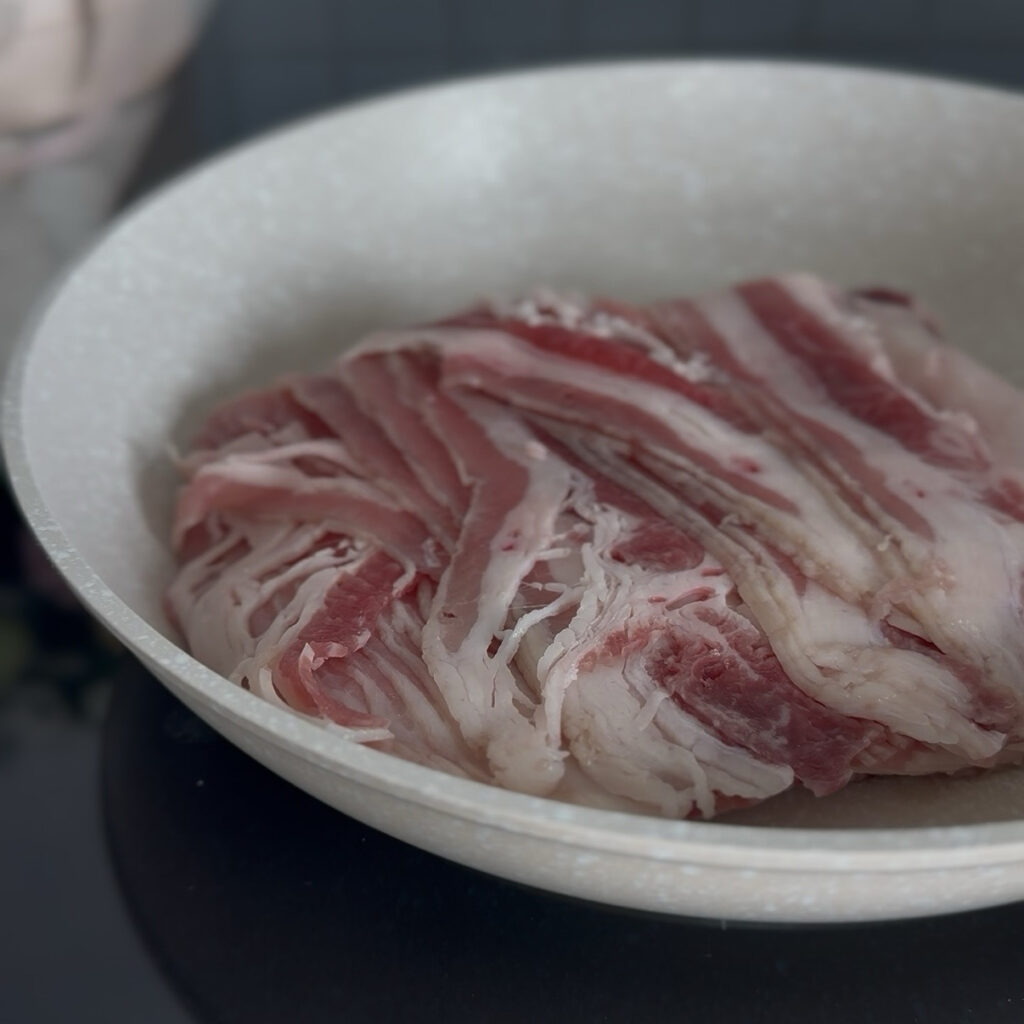
🥩 What Is Woosamgyeop?
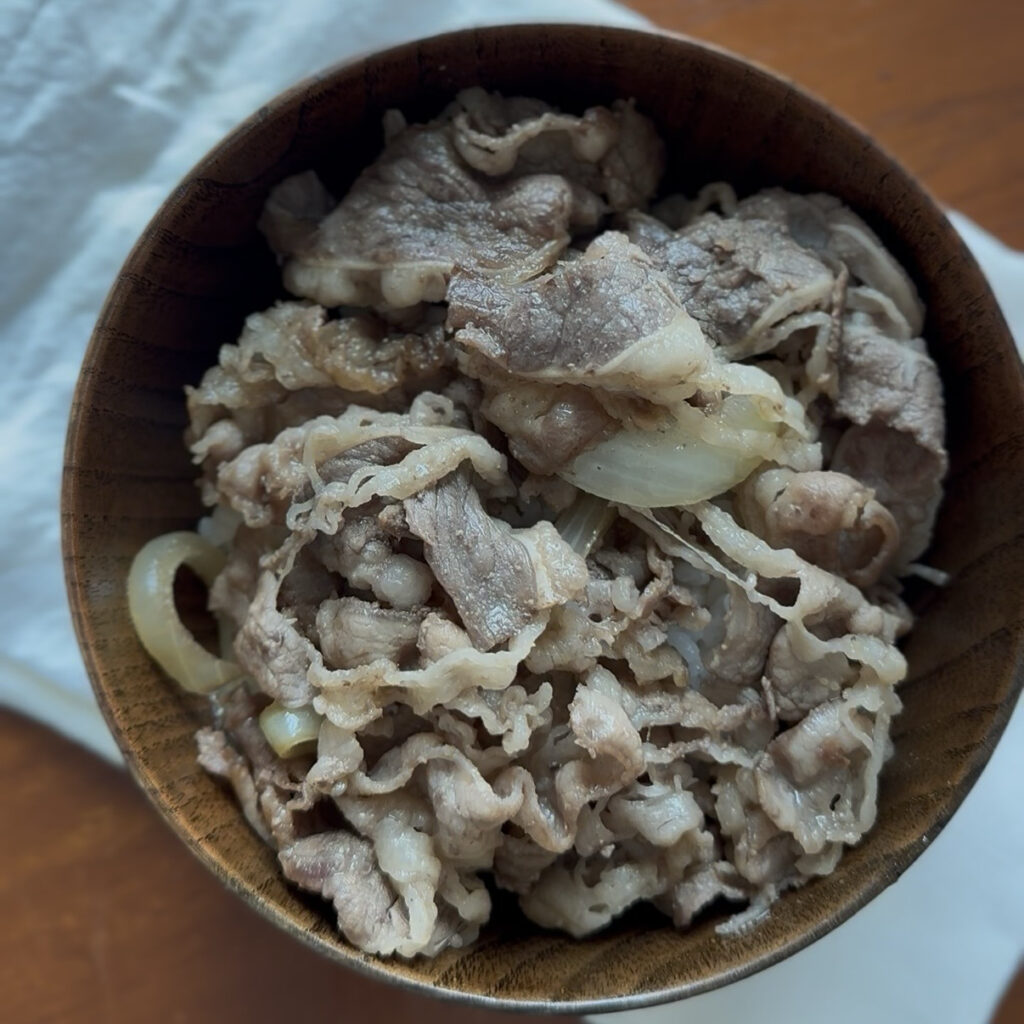
Woosamgyeop (우삼겹) is thinly sliced beef belly commonly used in Korean cooking. It has a good amount of fat and marbling, so it cooks quickly and has a rich, savory flavor.
You’ll often find woosamgyeop frozen and thinly sliced at Korean or Asian grocery stores. If you can’t find it, thinly sliced chuck or shaved beef can also work for this recipe, although the flavor may be a little different.
🥢 Why I Love This Easy Beef Rice Bowl
Woosamgyeop Deopbap (우삼겹 덮밥), or Korean Beef Belly Rice Bowl, is something I used to make quite often when I lived on my own before I got married.
I liked it because it was easy to make, but still tasted really good. The beef cooks quickly, and I didn’t need many ingredients or much preparation. I could just cook the beef, add some onion and simple seasonings, and have a meal ready pretty quickly.
I especially like the onion in this dish. I don’t cook it until it gets completely soft. I like it when it still has a little crunch. The crunchy onion goes really well with the rich beef.
Another thing I liked about this recipe when I was living alone was that I didn’t need expensive ingredients. Thinly sliced beef, onion, rice, and a few basic seasonings were enough to make a good meal.
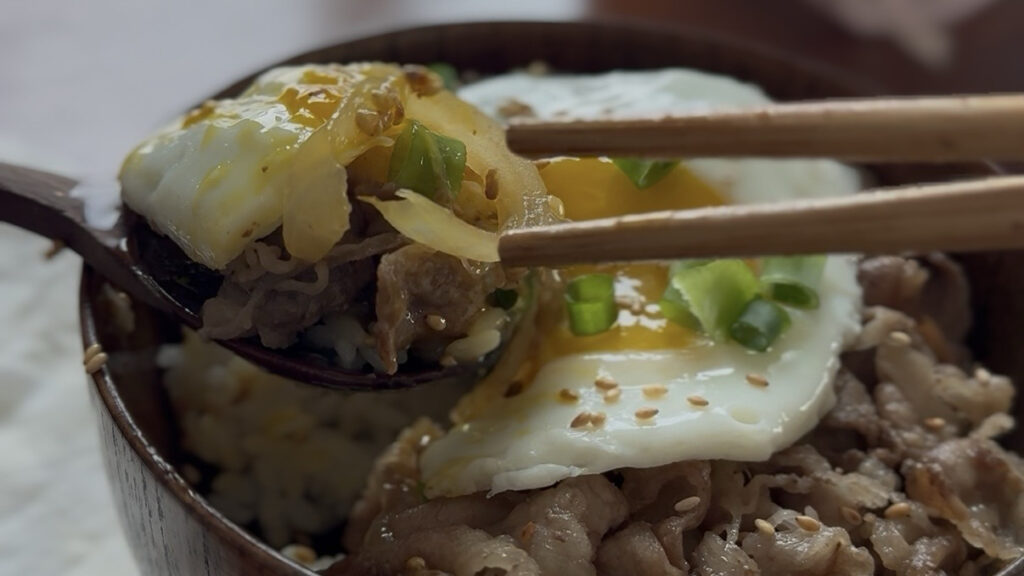
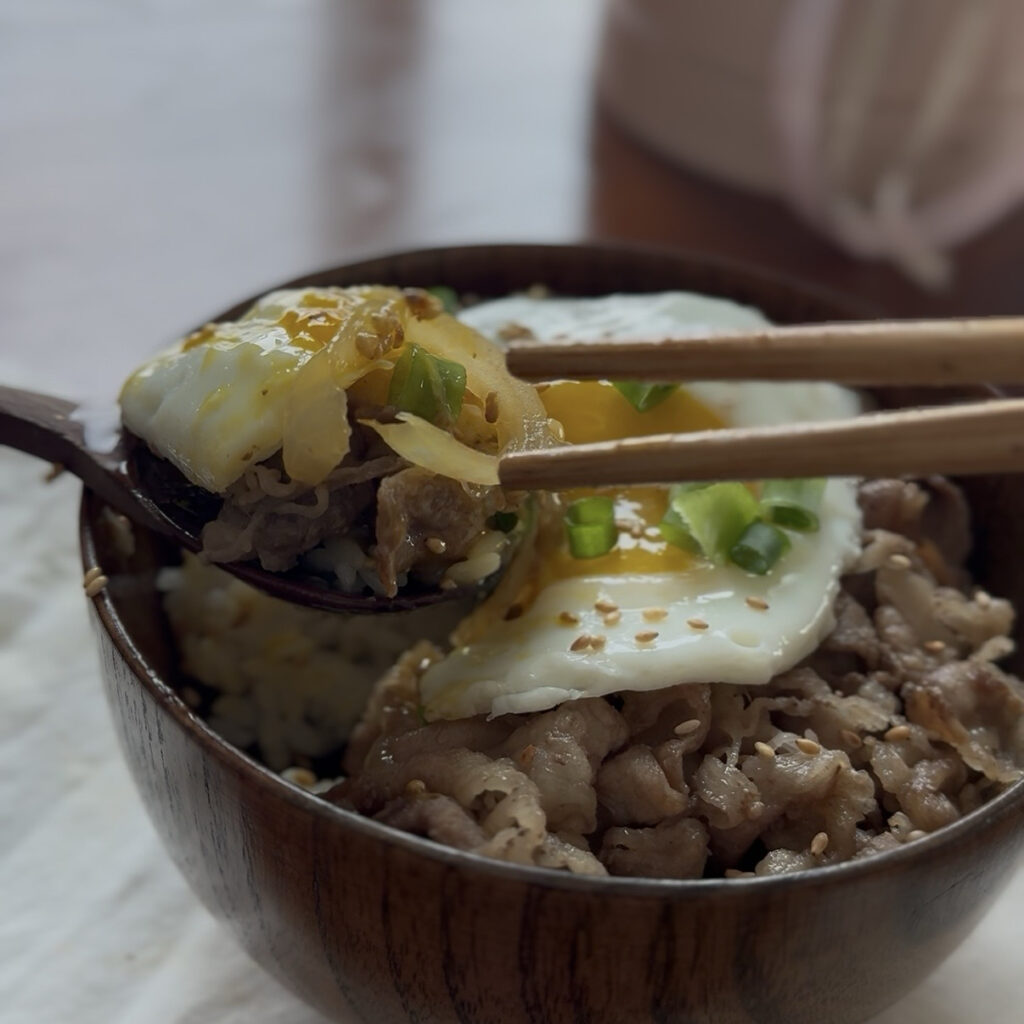
I usually put a fried egg on top, then mix everything together. I take a big spoonful and eat it with kimchi. Somehow, that first bite makes me feel like the tiredness from the day is finally gone.
Even now, this is one of the recipes I make when I want something simple without spending too much time in the kitchen.
🛒Ingredients
Beef & Vegetables
✓ 1.1 lb (500 g) thinly sliced beef belly (woosamgyeop)
✓ 1 medium onion, thinly sliced
✓ 1 tbsp minced garlic
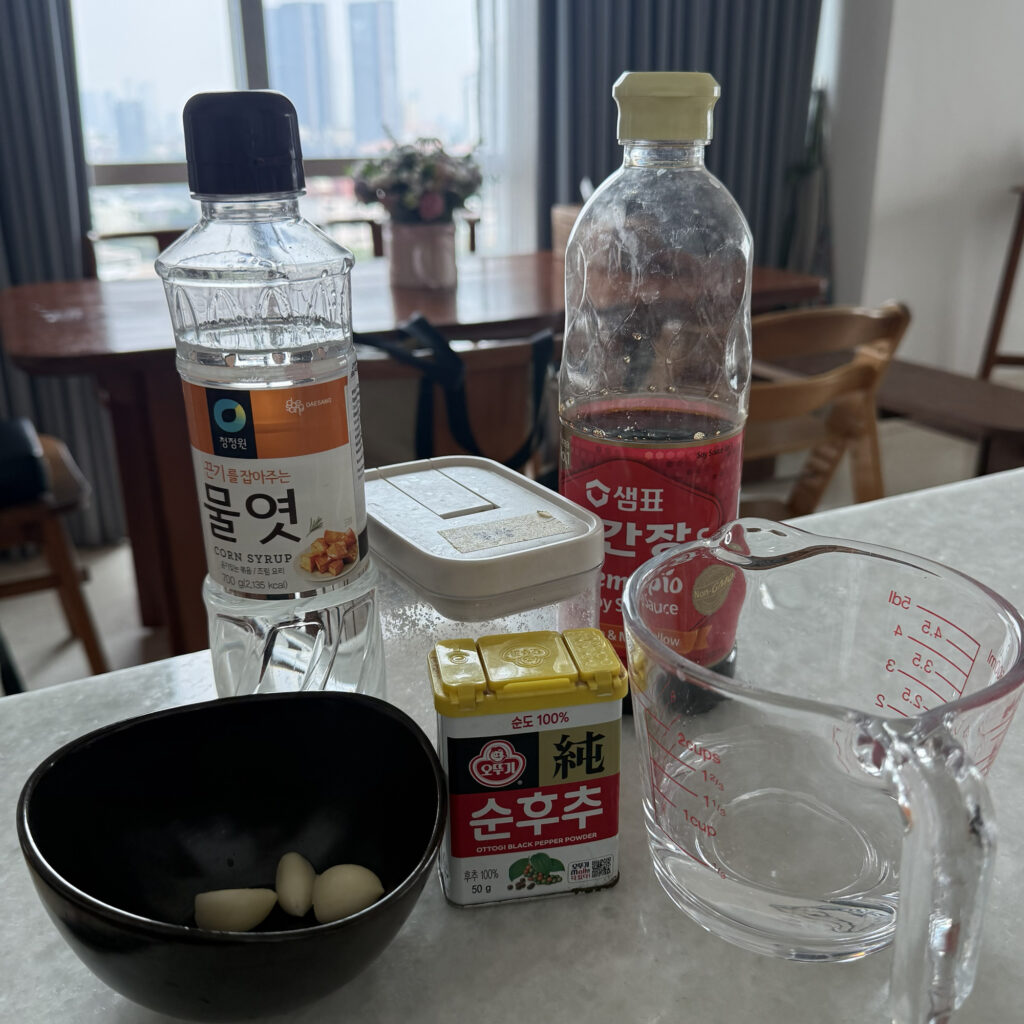
Sauce & Serving
✓ 3 tbsp soy sauce
✓ 2 tbsp sugar
✓ Black pepper, to taste
✓ Cooked white rice, for serving
✓ Fried egg, for serving
✓ Green onion and sesame seeds, optional
🍳 How to Make Woosamgyeop Deopbap (Korean Beef Belly Rice Bowl)
Step 1. Cook the beef
If your woosamgyeop is frozen, thaw it in the refrigerator or in a sealed bag submerged in cold water. Once thawed, separate the slices before cooking so they cook evenly.
If you’re cooking it straight from frozen, place the beef in a large skillet over medium heat. As the slices start to loosen, separate them with tongs or chopsticks. Once the slices are separated and the ice has mostly melted, increase the heat to medium-high and cook for 2–3 minutes, until the beef is mostly cooked and lightly browned.
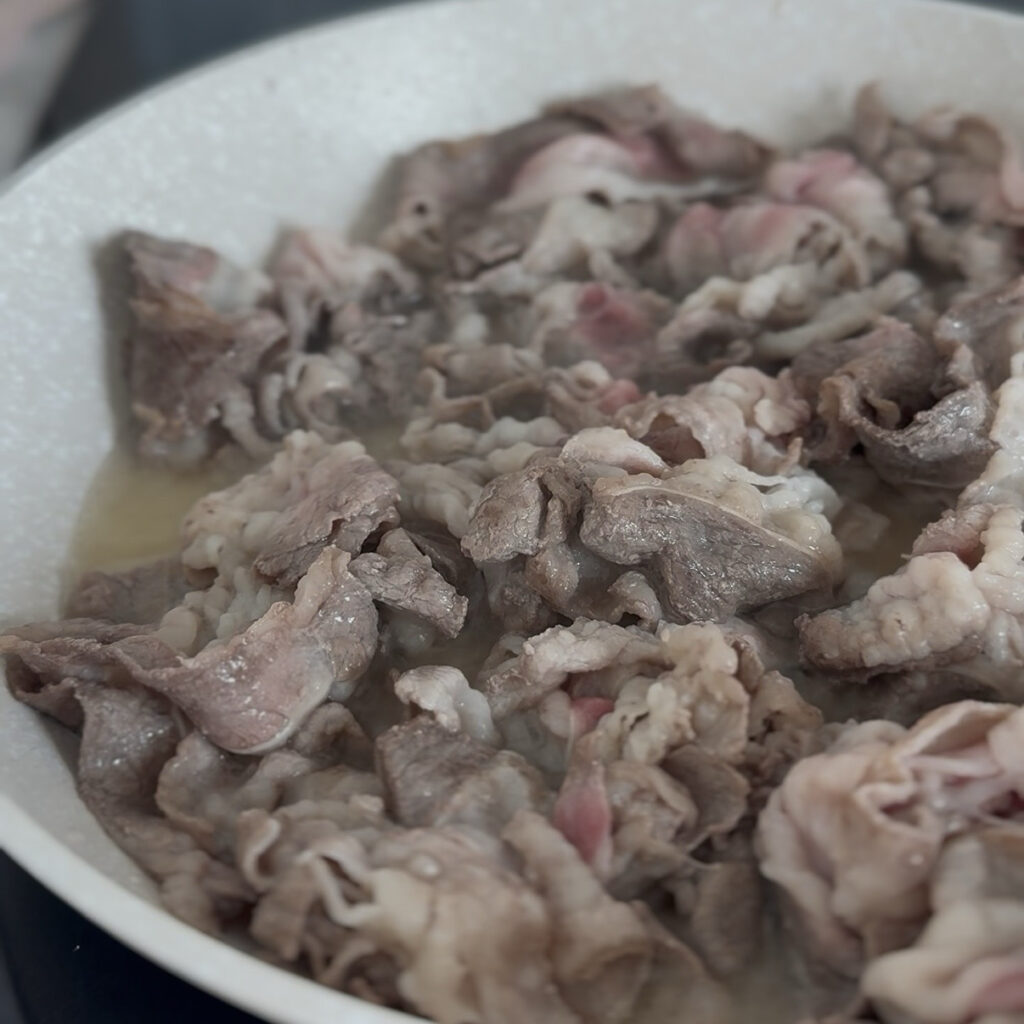
Step 2. Drain the excess fat
Woosamgyeop can release more fat than you might expect as it cooks, so don’t be surprised if there is a lot of fat in the pan. Carefully pour off the excess, or use a paper towel to soak some of it up.
I found that leaving about 2 tablespoons of fat in the pan works best for this recipe. I tried leaving more, but 3 tablespoons was a little too greasy for me. I also don’t recommend removing all of the fat because the beef can taste a little dry and lose some of its rich flavor.
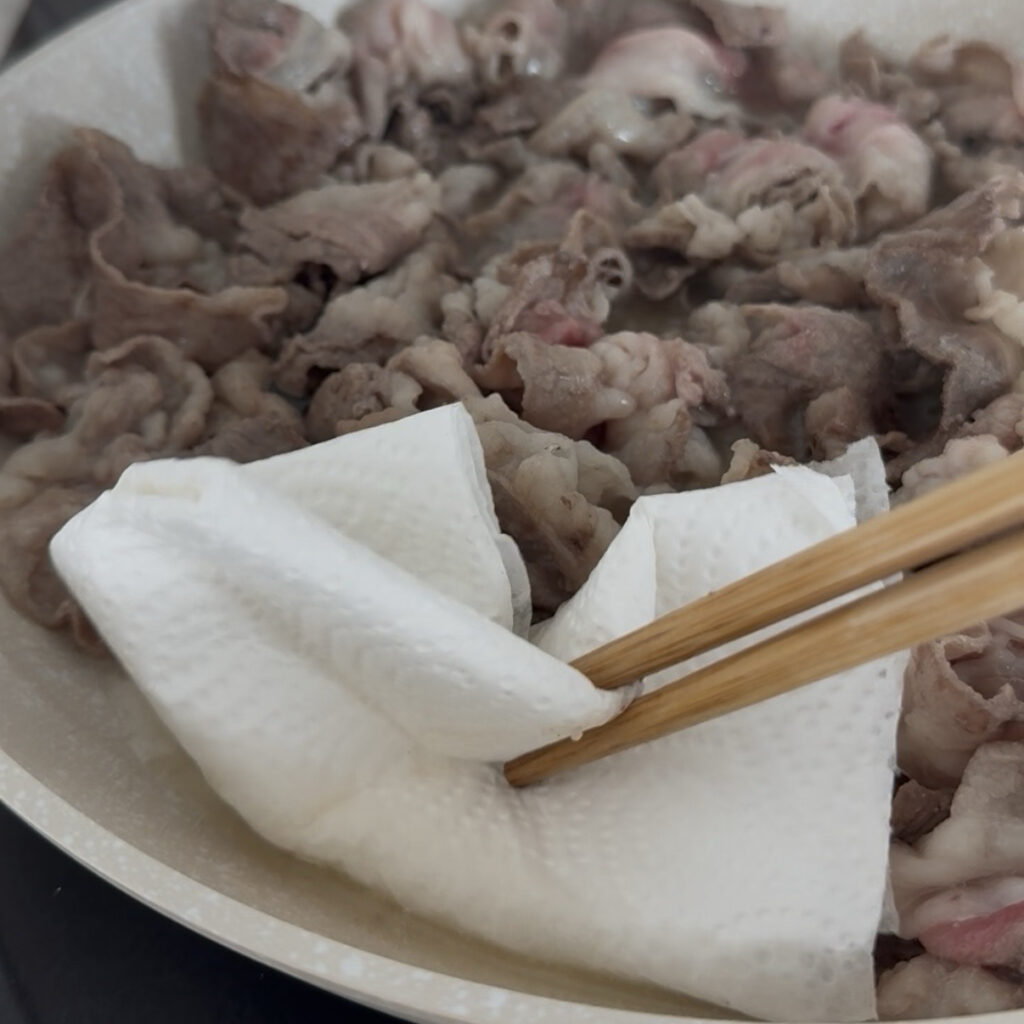
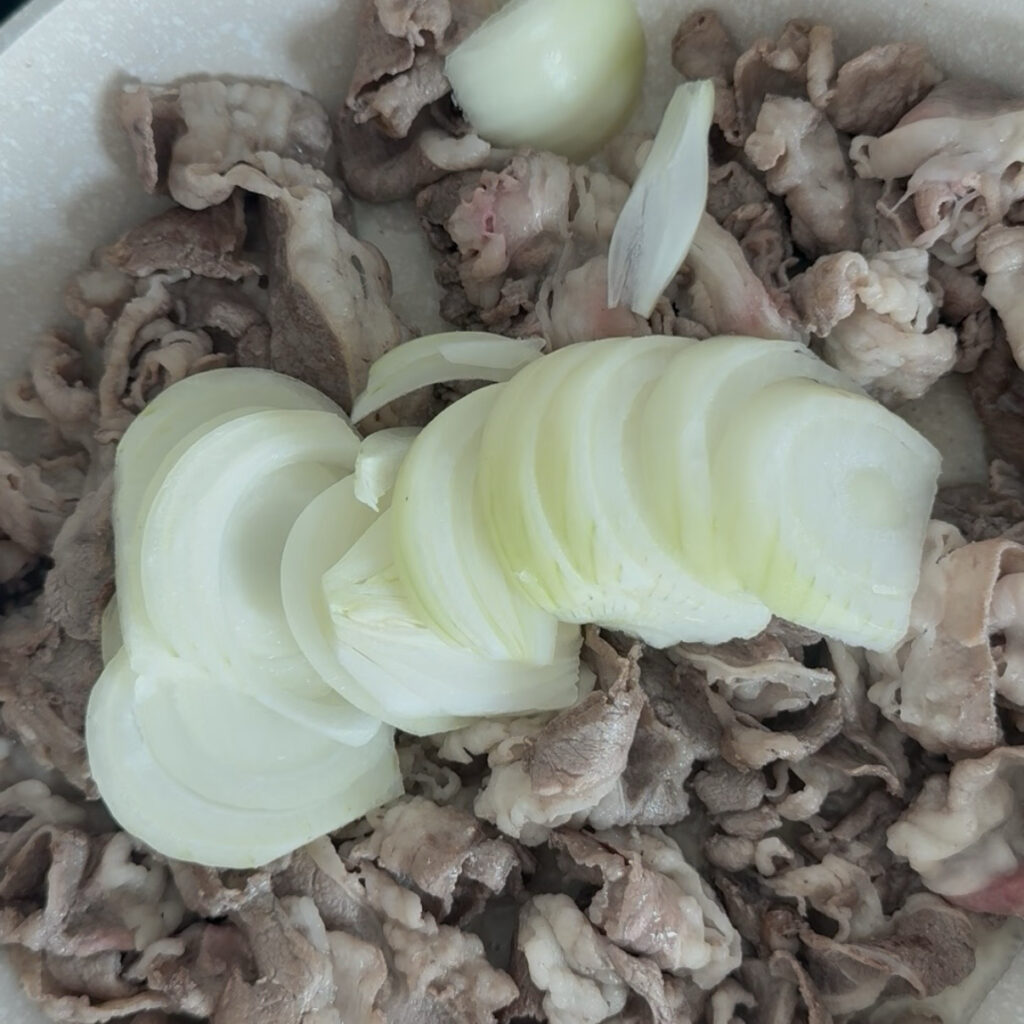
Step 3. Add the onion
Add the sliced onion to the pan and stir-fry over medium-high heat for about 1–2 minutes, just until it starts to soften. I like my onion to still have a little crunch, so I don’t cook it for too long. It will cook a little more when you add the seasoning.
If you prefer softer onions, just cook them a little longer.
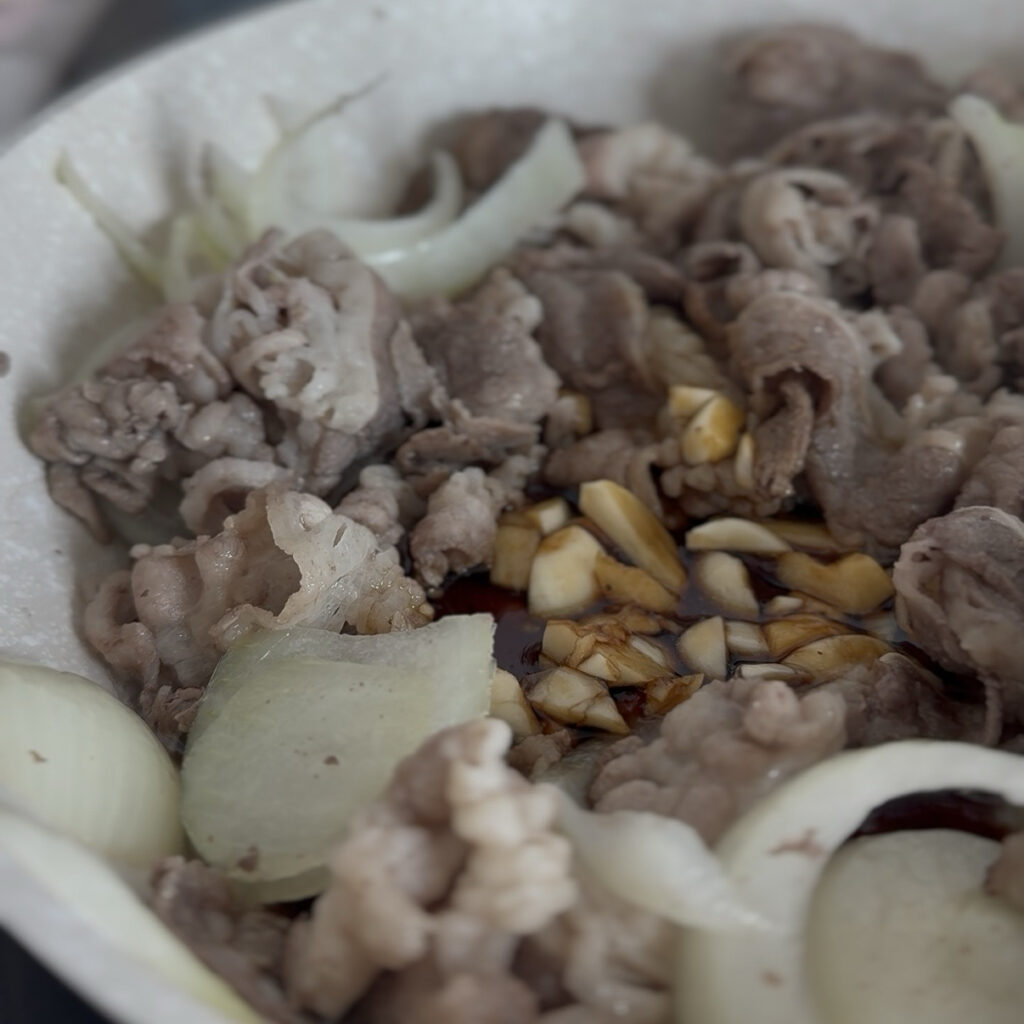
step 4. Add the seasoning
Add the soy sauce, sugar, minced garlic, and black pepper directly to the pan. Toss everything together over medium-high heat for about 30 seconds to 1 minute, just until the beef and onion are evenly coated. You don’t need to cook it for long.
If your soy sauce is quite salty, start with 2 tablespoons and add more if needed.
step 5. Serve
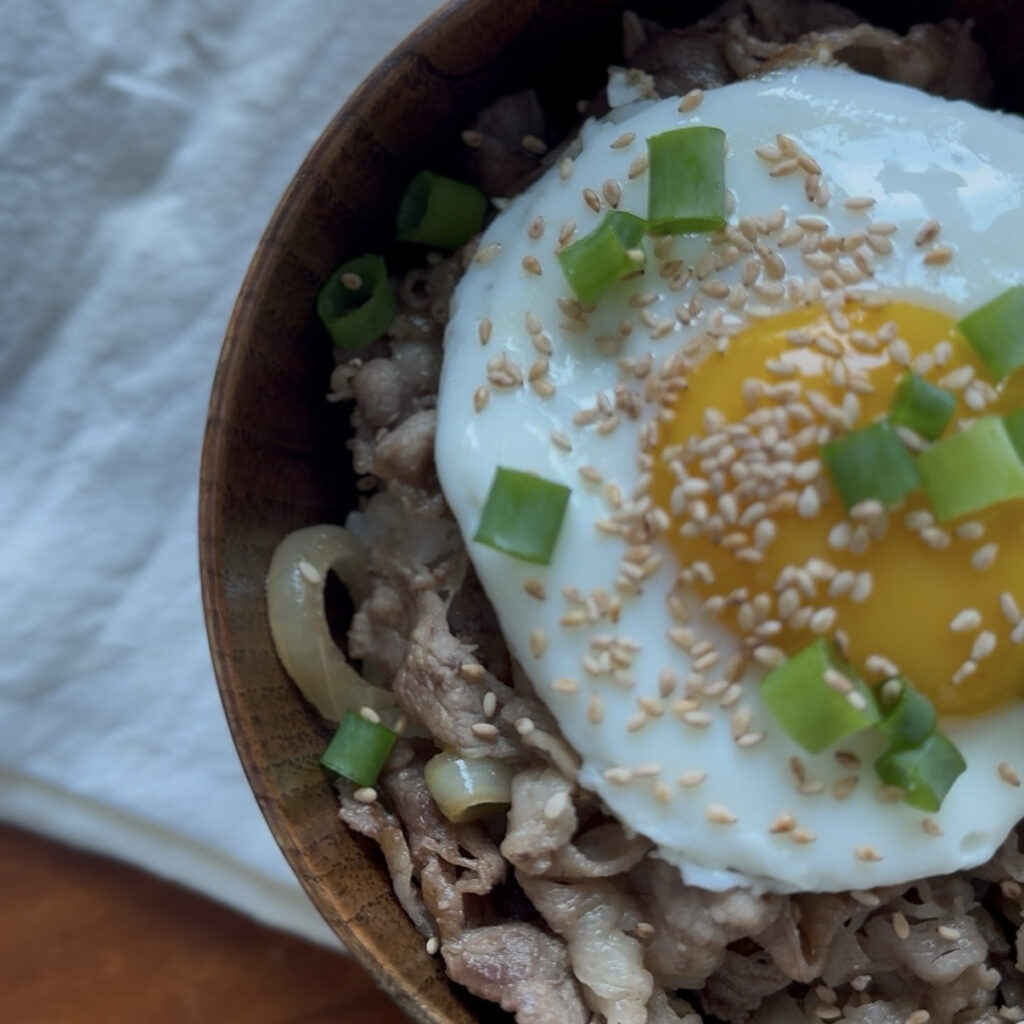
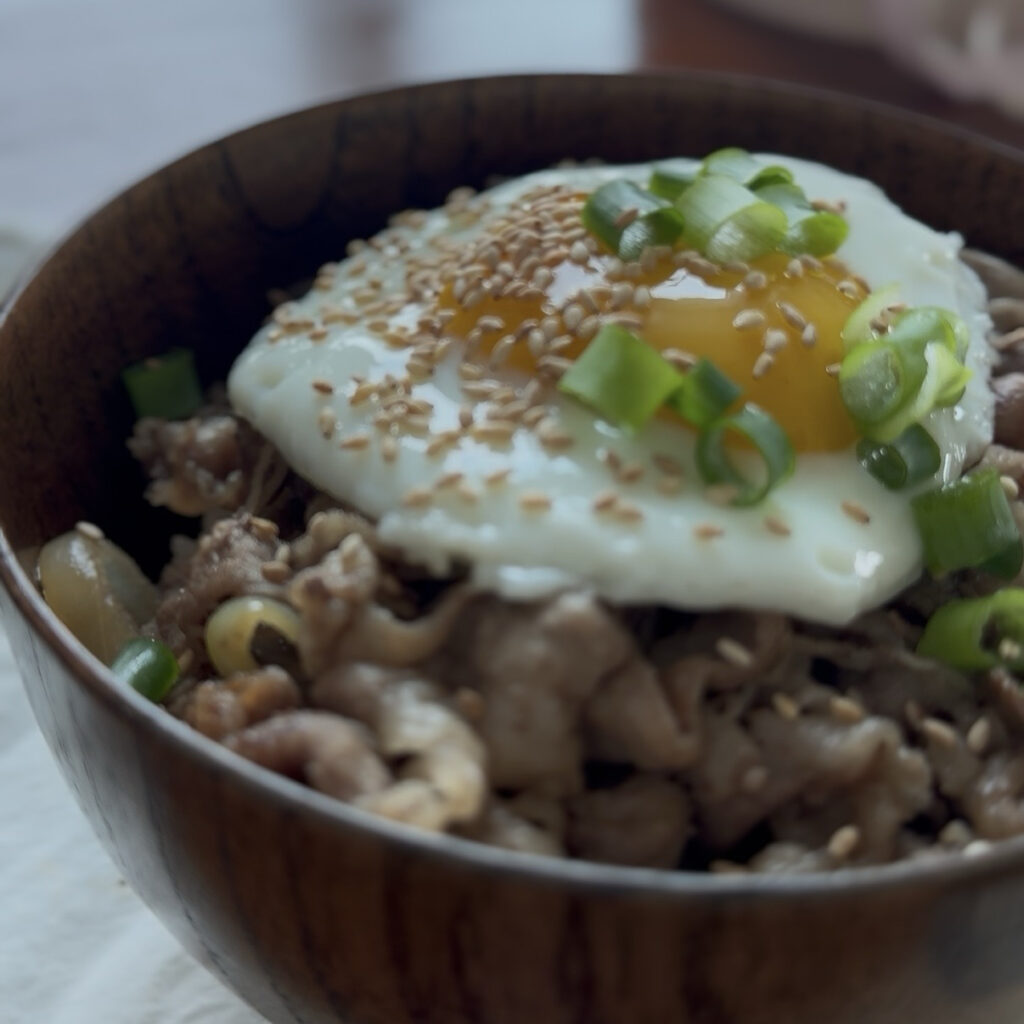
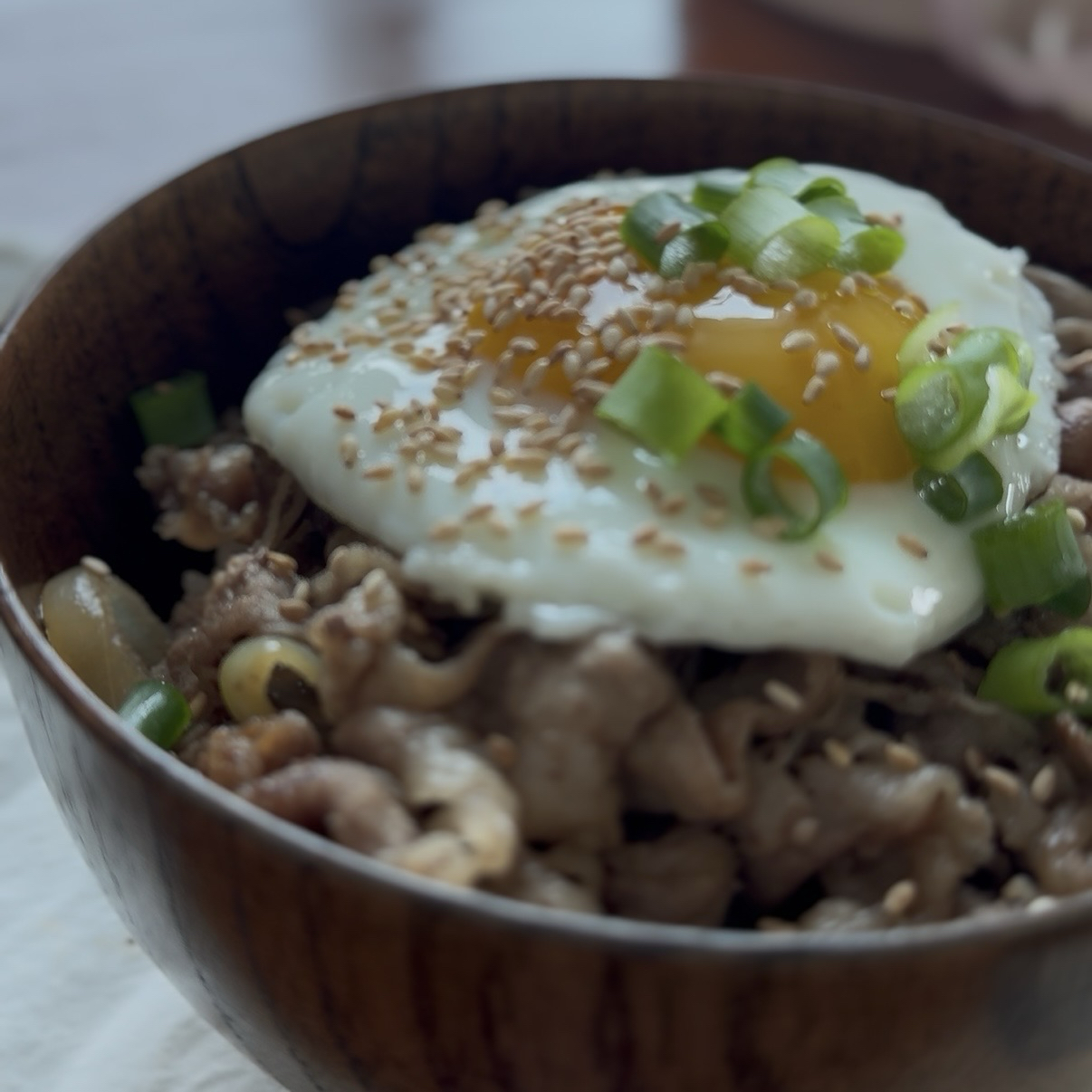
Spoon the beef and onion over warm rice and top with a fried egg. I like to keep the yolk a little soft. Add sliced green onion and sesame seeds if you like.
I like to mix everything together, take a big spoonful, and eat it with kimchi. It’s my favorite way to eat it.
❓ FAQ
Q. Can I use another cut of beef?
A. Yes. If you can’t find woosamgyeop, you can use any thinly sliced beef, including shabu-shabu beef. Thinly sliced beef works well for this recipe because it cooks quickly.
Since you don’t add any oil to the pan, I recommend choosing beef with some fat. Very lean beef can be a little dry or chewy in this recipe.
Q. What if the beef turns out too salty?
A. If the finished beef tastes too salty, add a little more sliced onion and toss everything together. You can also add a little more sugar to balance the saltiness. I don’t recommend adding water, as it can make the sauce watery and dilute the flavor.
Q. Can I make this ahead of time?
A. Yes. You can cook the beef and onion ahead of time and store them in the refrigerator. Keep them separate from the rice, since the beef can make the rice soggy. When you’re ready to eat, reheat the beef and onion and serve them over warm rice. I recommend making the fried egg fresh.
Q. Can I thaw frozen woosamgyeop in hot water?
A. I don’t recommend using hot water, even when the beef is frozen solid. Hot water can warm the outside of the beef too quickly while the inside is still frozen. The outside can also reach temperatures where bacteria can grow quickly.
I also don’t recommend leaving the beef at room temperature to thaw. The outside can reach unsafe temperatures while the inside is still frozen.
For a safer option, thaw the beef in the refrigerator or place it in a sealed bag and thaw it in cold water.
👉👉 You Might Also Like
🇰🇷 First time cooking Korean food?
👉 8 Essential Korean Ingredients Every Beginner Needs
👉 Korean Soy Sauce Explained: Jin Ganjang vs Guk Ganjang
👉 Gochujang vs. Gochugaru: What’s the Difference?

Korean Beef Belly Rice Bowl
Ingredients
Method
- Heat a skillet over medium-high heat. Add the beef belly and cook until lightly browned and mostly cooked.
- Drain the excess fat, leaving about 1 tablespoon in the pan.
- Add the onion and cook for 2–3 minutes until softened.
- Add soy sauce, sugar, garlic, and black pepper. Cook for 2–3 minutes, tossing everything together until the beef and onions are well coated.
- Serve over warm rice and top with a fried egg, green onions, and sesame seeds.

Hi, I’m Vella, a Korean home cook sharing easy Korean recipes for everyday cooking. I focus on simple recipes, practical tips, and ingredients that are easy to find outside Korea.