
🥢 Introduction
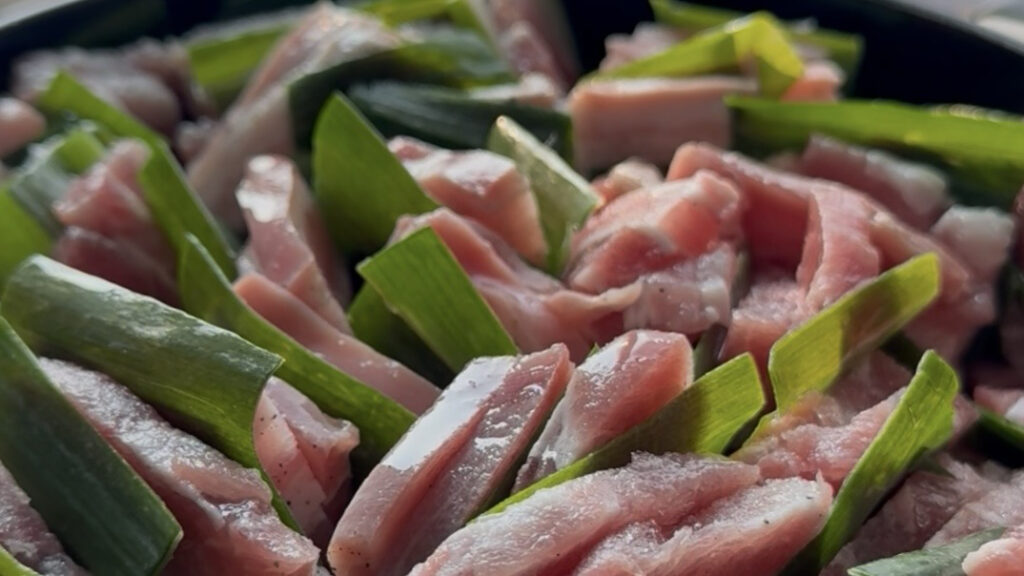
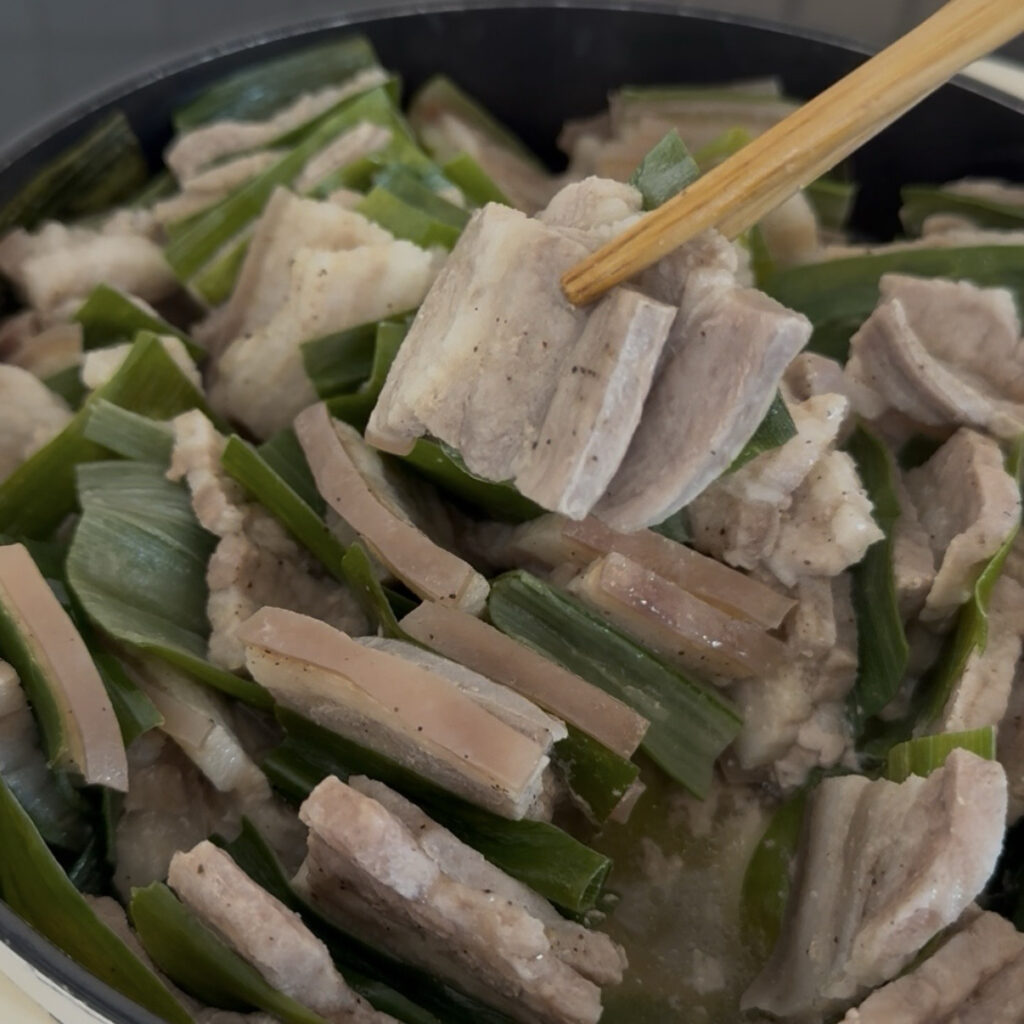
I love making this Korean Green Onion Pork when I want something a little special, especially when I have guests over. The pork is cooked with plenty of green onions, which become soft and sweet as they cook. Once the pork is sliced and arranged with the green onions, it looks beautiful on the table.
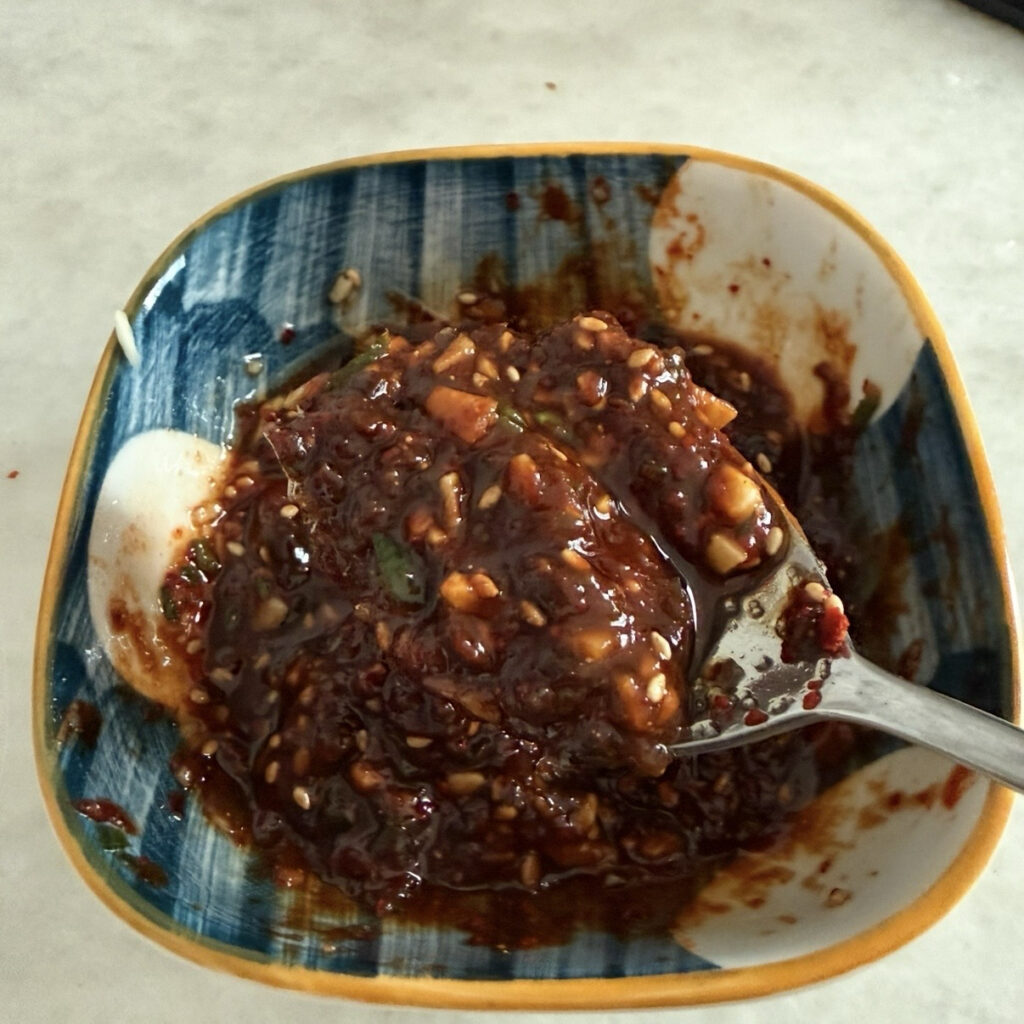
This recipe takes a little time and a few steps, but the cooking method itself is very simple. There’s no complicated marinade or sauce to make. You just add everything to the pot and let the pork cook until tender. While it’s cooking, I usually make a simple homemade ssamjang to serve on the side.
I love eating the tender pork with the soft green onions and homemade ssamjang. The combination is simple, but so good. The rich pork, sweet green onions, and savory ssamjang really balance each other out.
It’s the kind of dish that takes a little effort, but isn’t difficult to make. I especially like serving it when family or friends come over. It looks pretty once it’s plated, and somehow everyone always enjoys it.
🛒Ingredients
For the Pork
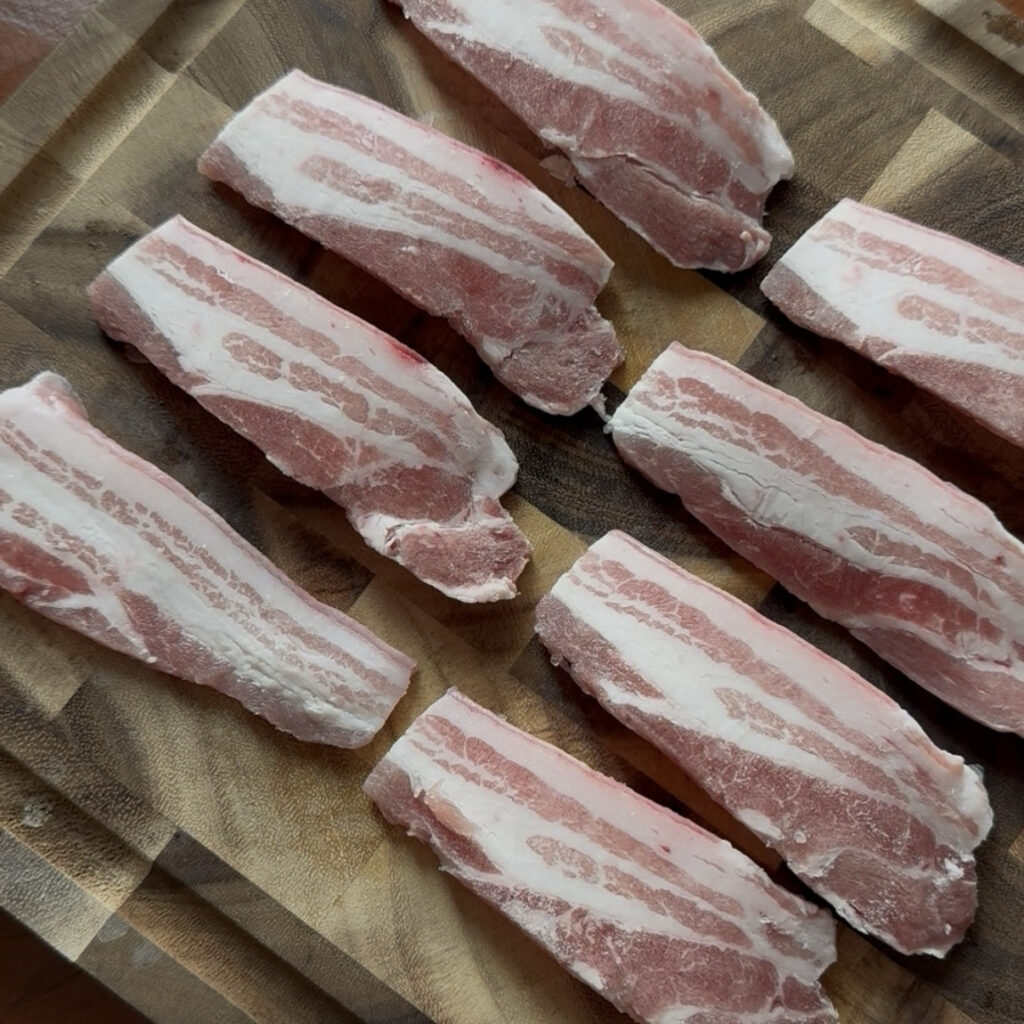
✓ 1 kg pork belly, cut into thick slices
✓ Salt, to taste
✓ Black pepper, to taste
✓ 3 green onions (white parts for the base, green parts for layering with the pork)
✓ 1 onion
✓ 5 cloves garlic
✓ 10–15 g ginger
✓ 4 Tbsp mirin
For the Homemade Ssamjang
✓ 2 Tbsp doenjang (Korean soybean paste)
✓ 1 Tbsp gochujang (Korean chili paste)
✓ 2 Tbsp soy sauce (Korean jin ganjang)
✓ 1 Tbsp sugar
✓ 1 Tbsp corn syrup
✓ 1 Tbsp gochugaru (Korean red pepper flakes)
✓ 2 Tbsp minced garlic
✓ 1 green chili
✓ 2 Tbsp sesame oil
✓ A little sesame seeds
🍳 How to Make Daepa Suyuk (Green Onion Pork)
Step 1. Season the Pork
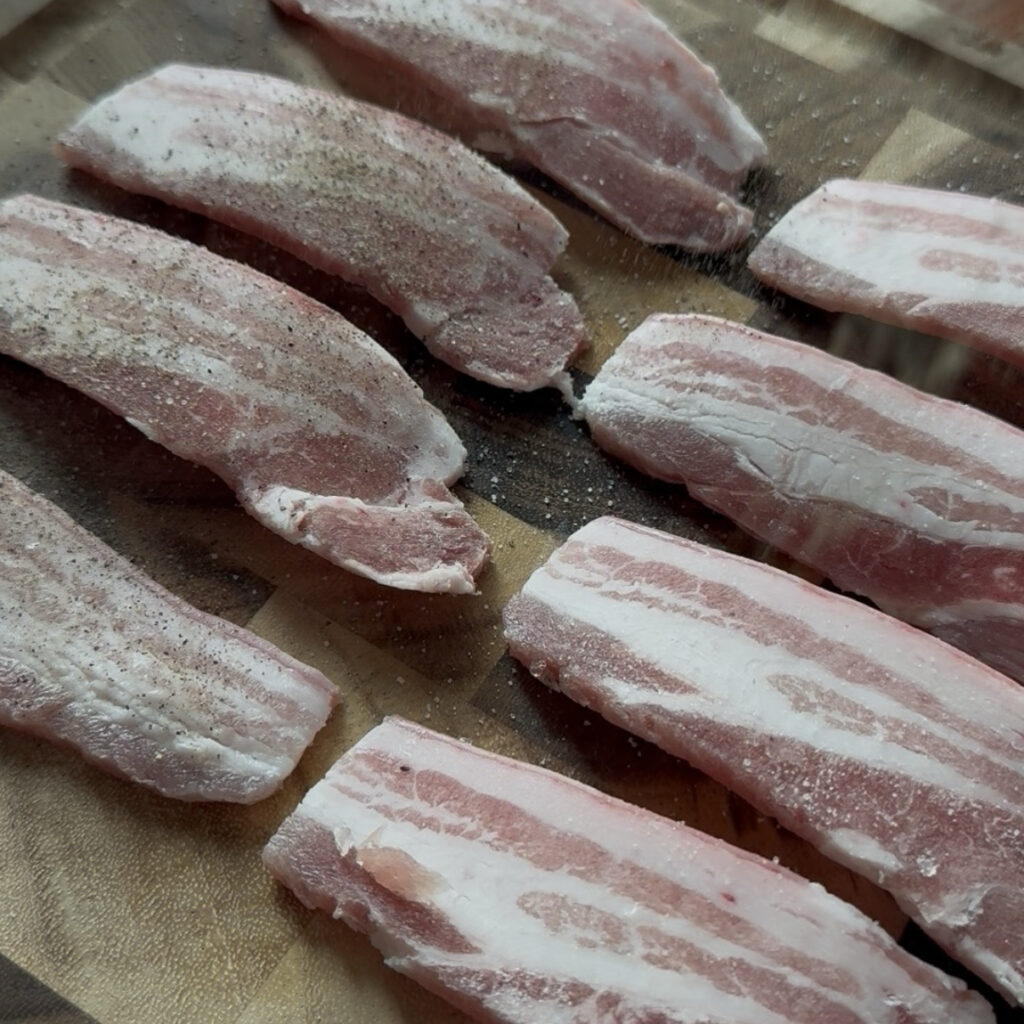
Lightly season the sliced pork belly with salt and black pepper. Let it sit while you prepare the green onions.
Step 2. Prepare the Green Onions
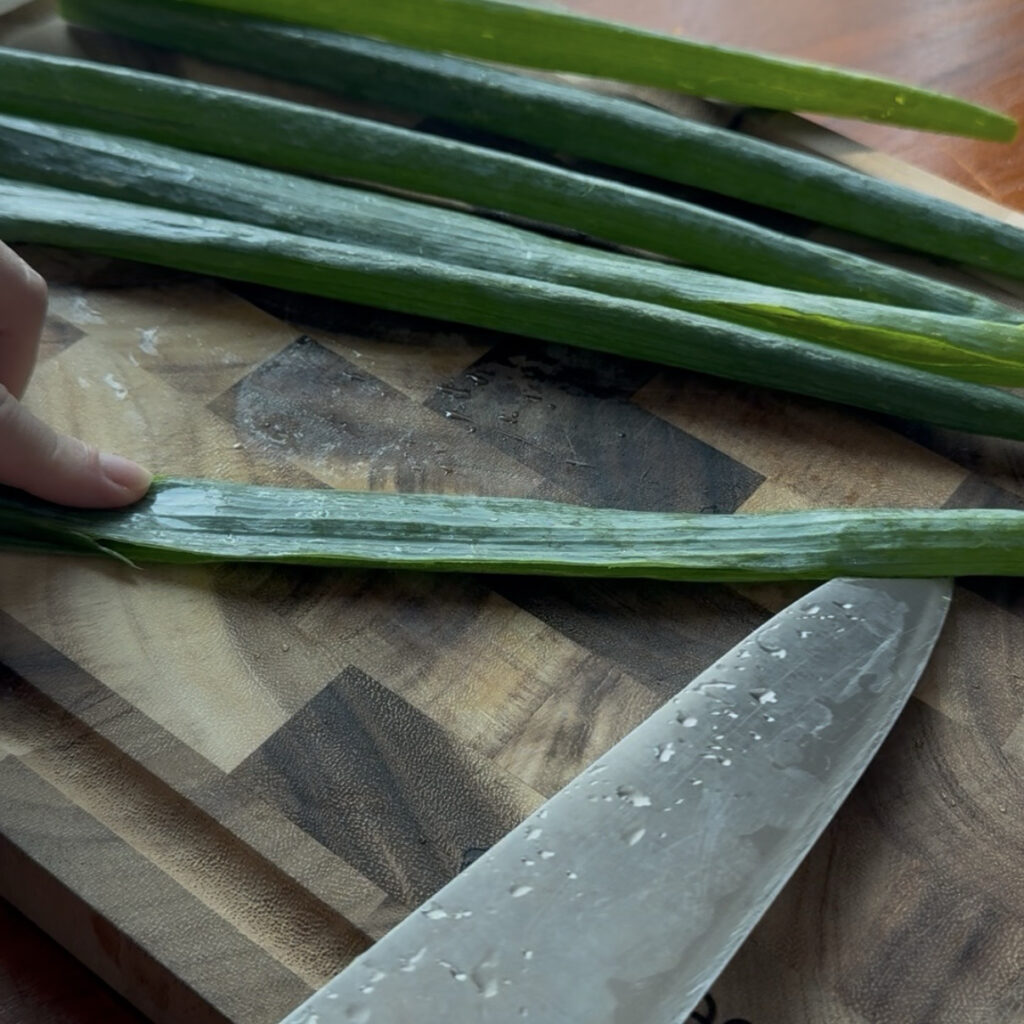
Cut the green parts of the green onions in half lengthwise and gently spread them open.
Step 3. Layer and Cut
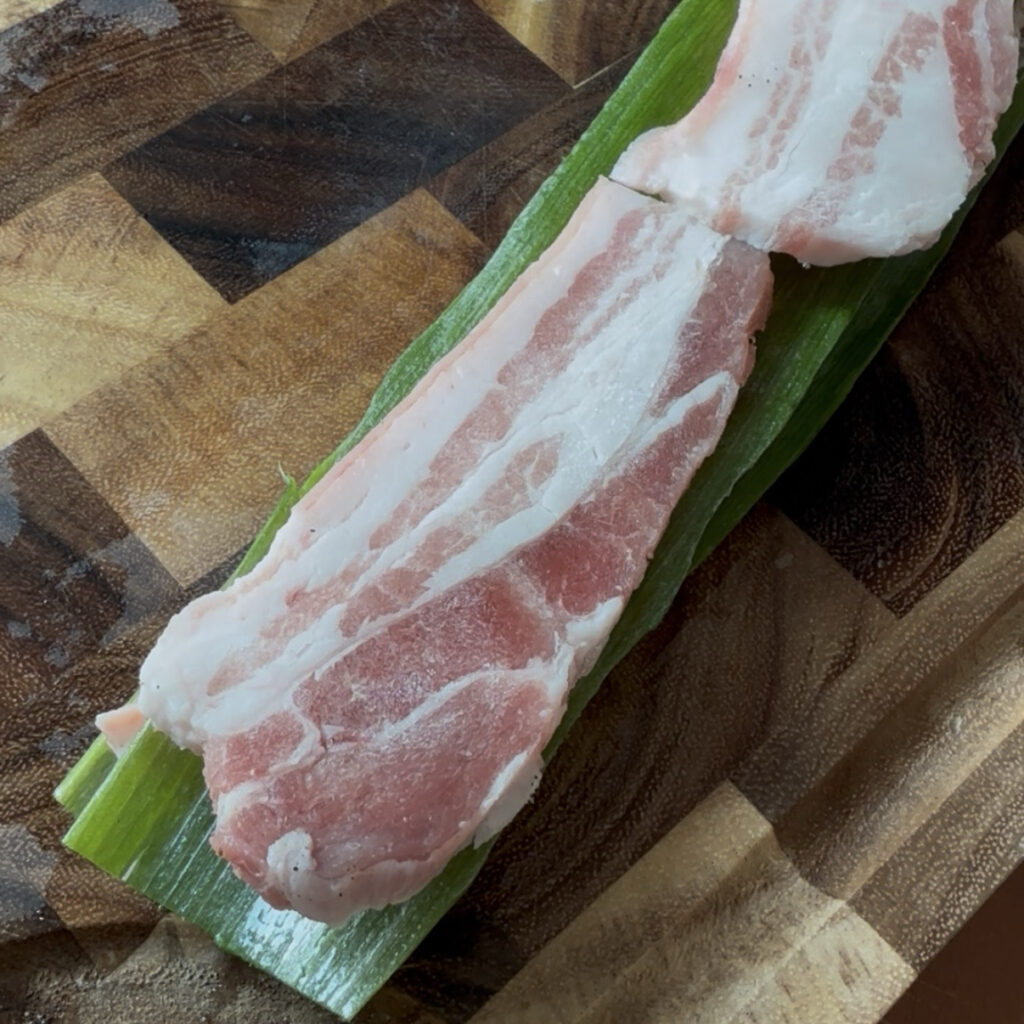
Place the seasoned pork belly and green onion greens on top of each other, alternating between the two. Once they are layered, cut them into bite-sized pieces.
step 4. Build the Base
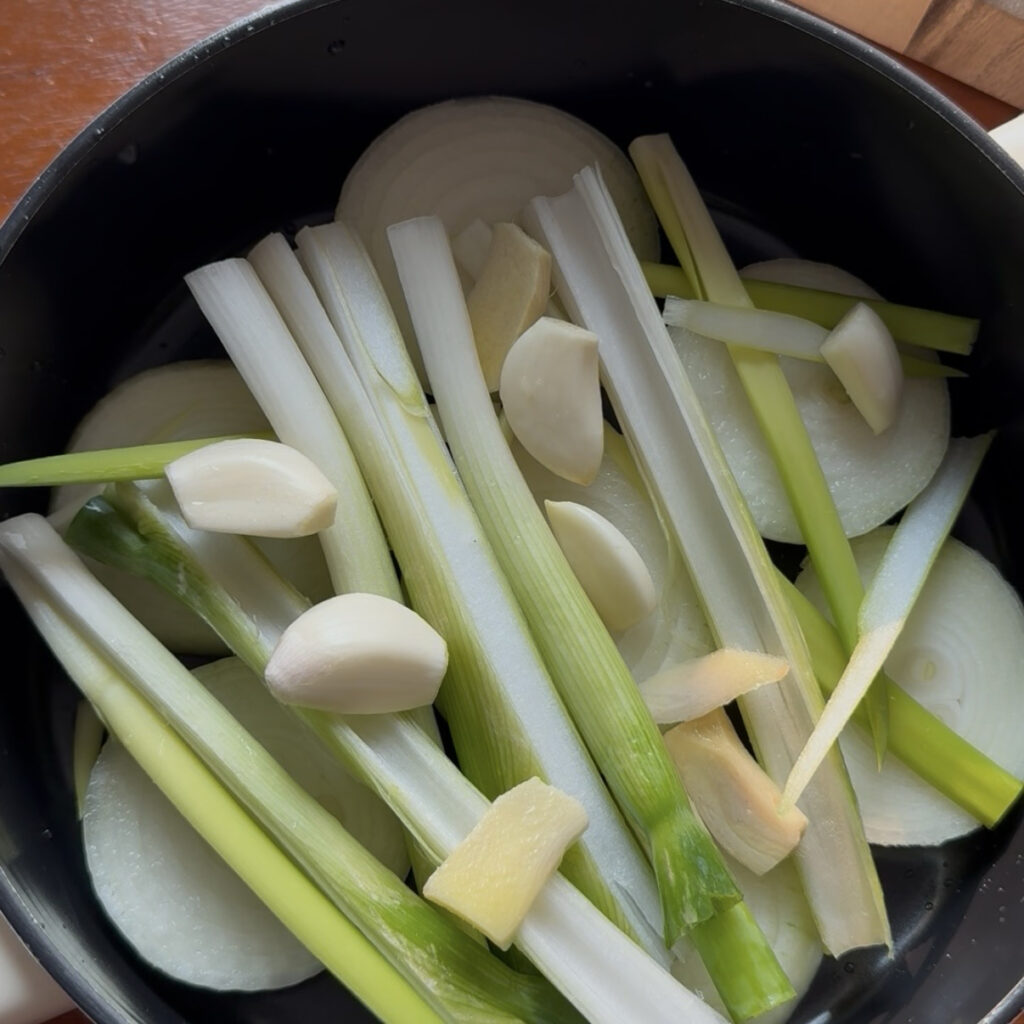
Place the thickly sliced onion on the bottom of a pot. Then add the halved white parts of the green onions, whole garlic cloves, and sliced ginger, in that order.
step 5. Add the Pork
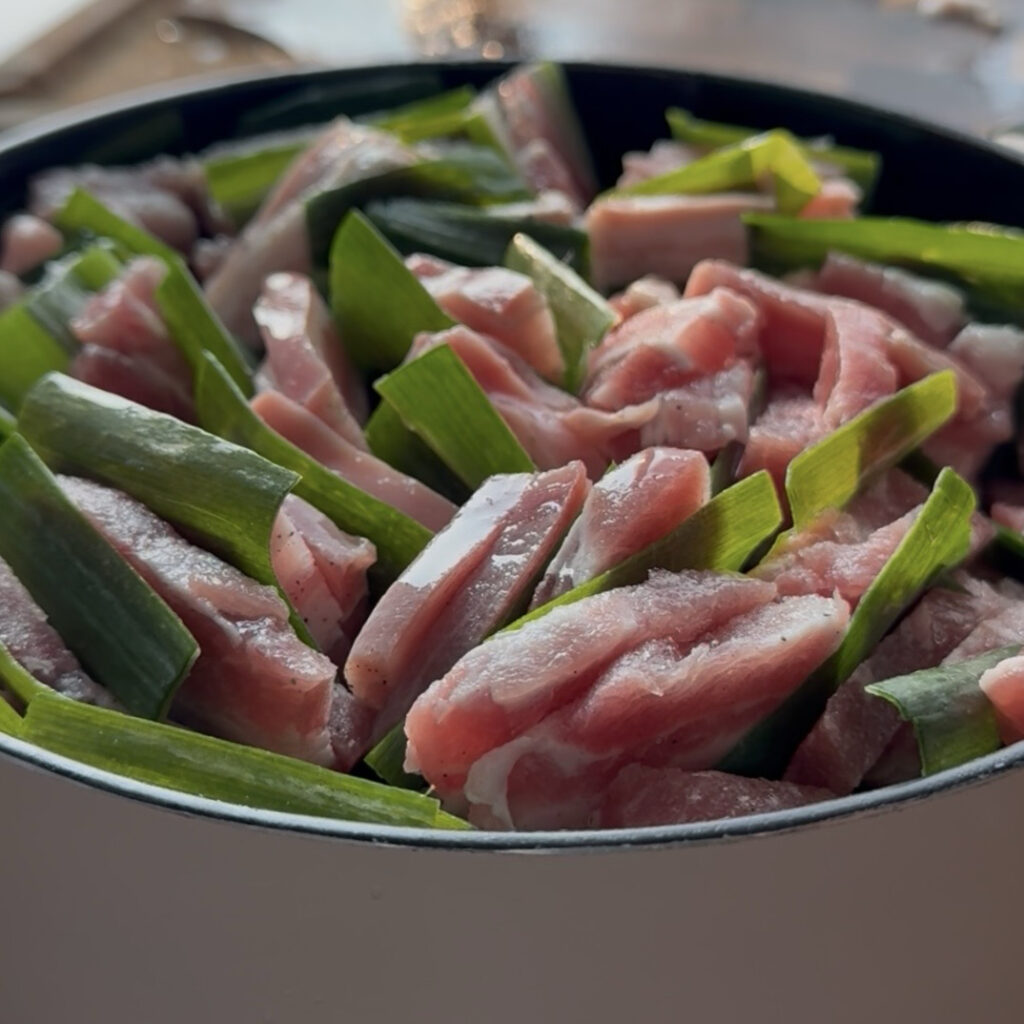
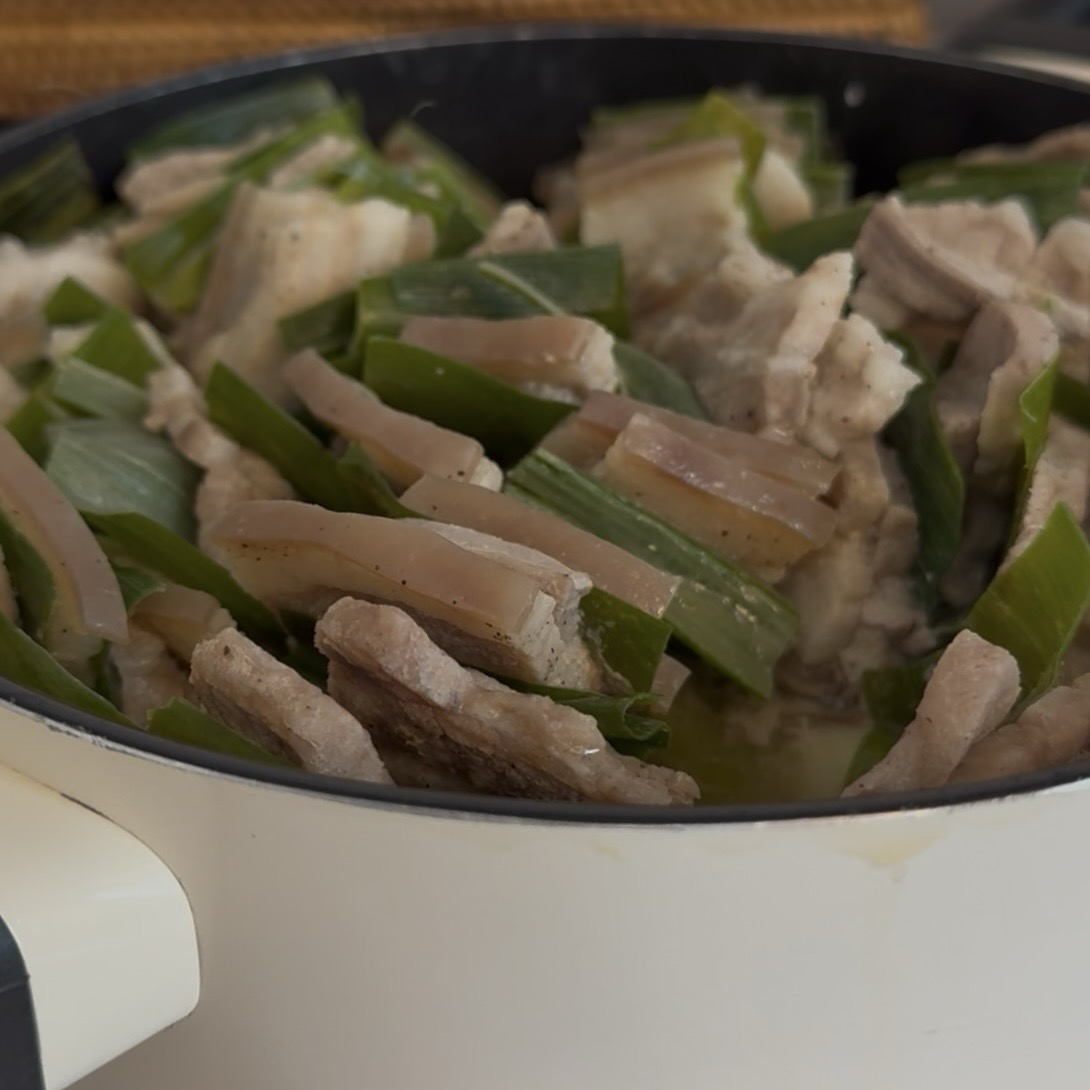
Place the cut pork and green onion layers on top of the vegetables. Arrange them neatly so they fit snugly in the pot.
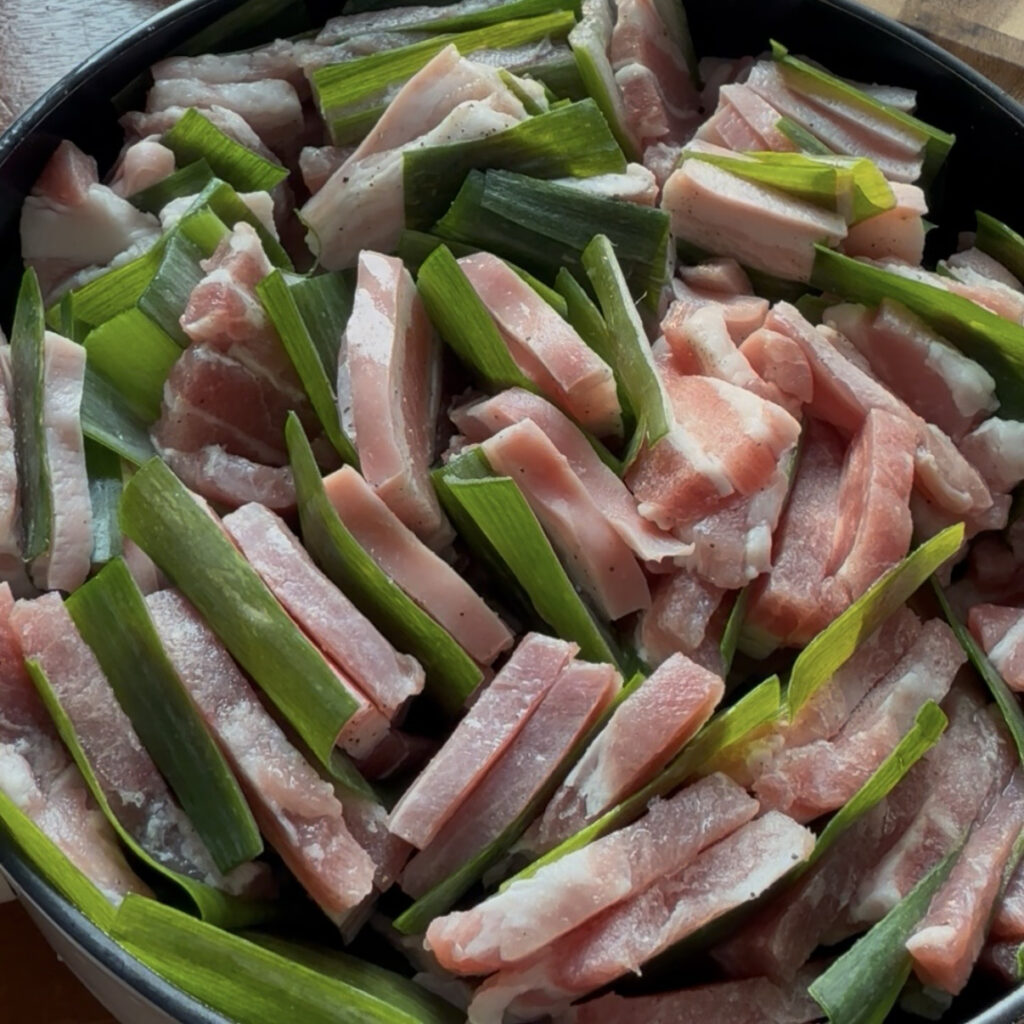
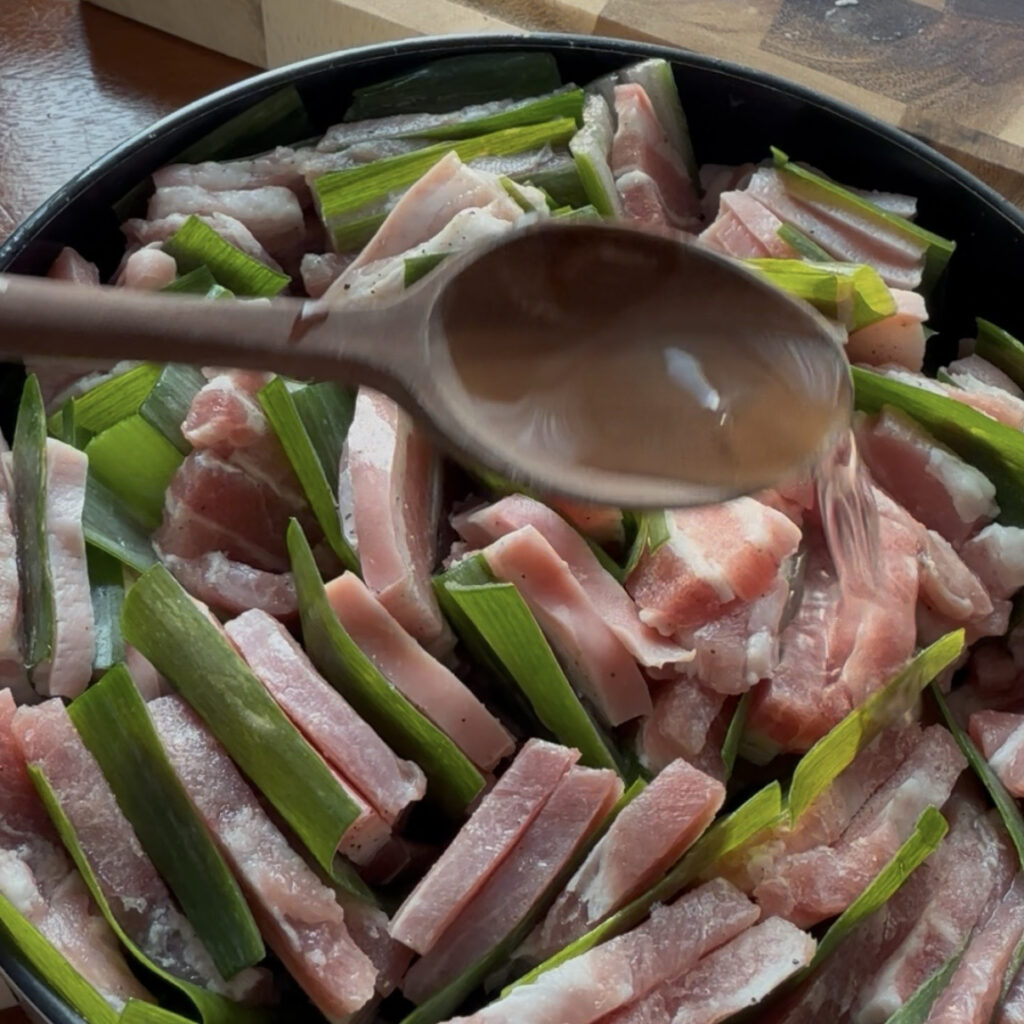
step 6. Add Mirin and Cook
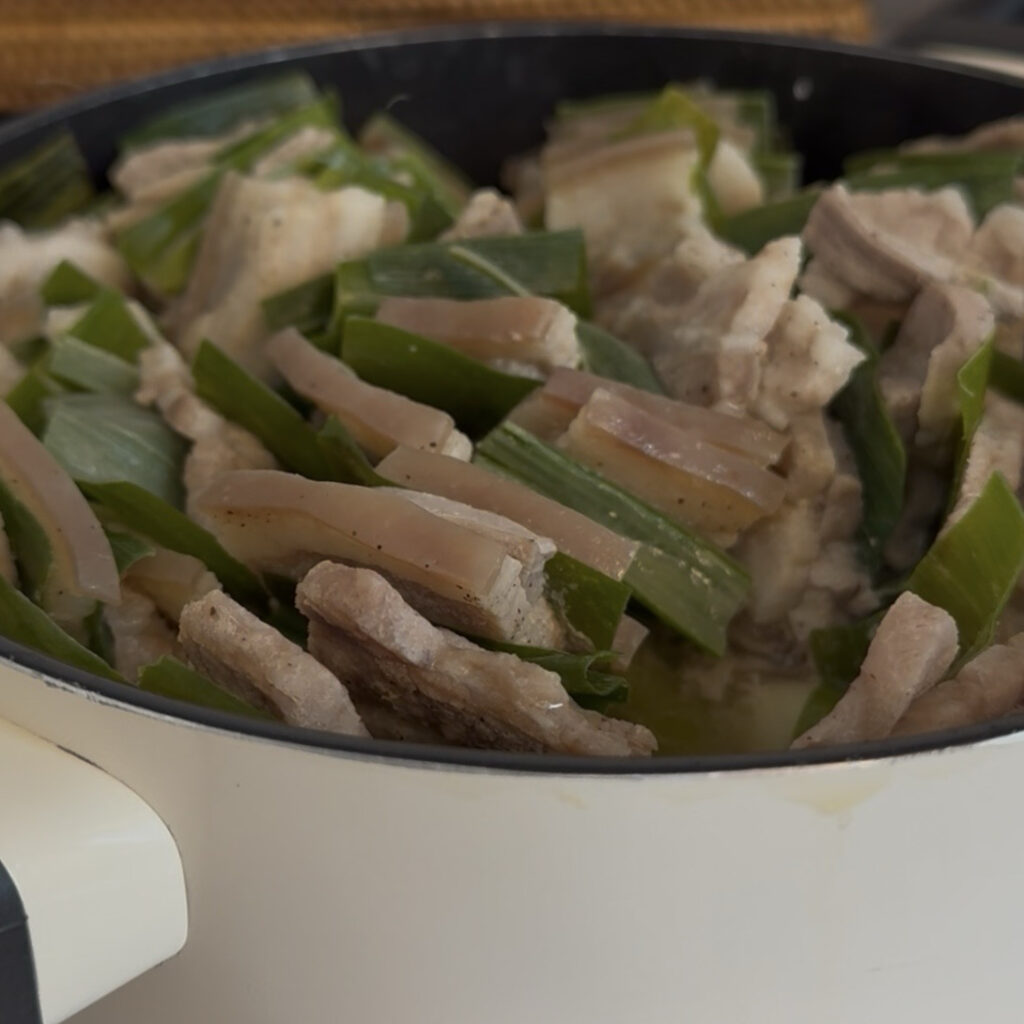
Pour the mirin evenly over the pork. Cover the pot with a lid and cook over low heat for about 40 minutes, or until the pork is fully cooked and tender.
Tip: Since this is a no-water recipe, keep the heat low. The onion and green onions release moisture as they cook, creating a flavorful cooking liquid.
step 7. Serve
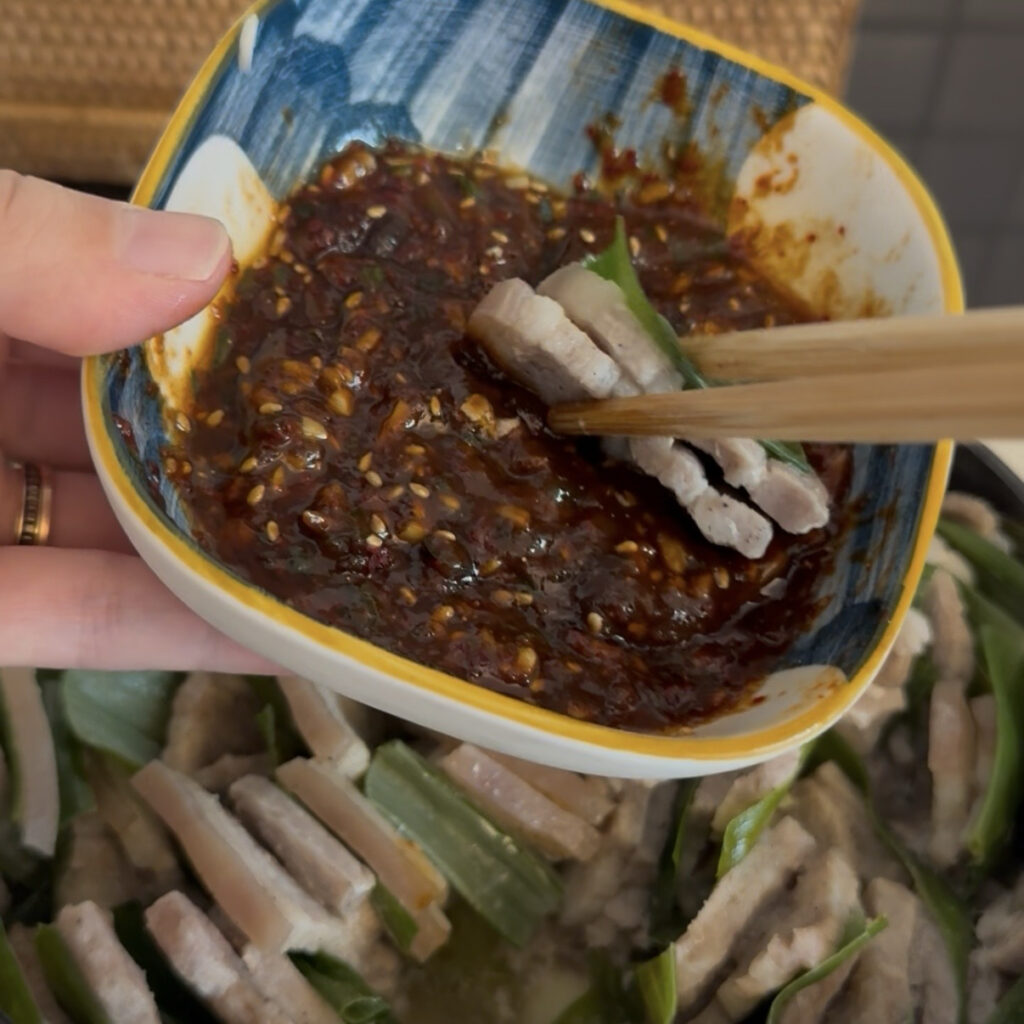
Once the pork is tender, carefully transfer it to a plate with the cooked green onions. Serve warm with the homemade ssamjang for dipping. Don’t save the ssamjang just for suyuk—it’s also great with Korean BBQ, grilled meat, or vegetables. I usually make a little extra and keep it in the fridge, so I can enjoy it with other Korean dishes too.
🍽️ Serving Tips
The cooked green onions are my favorite part. They lose their sharp taste as they cook and become soft and naturally sweet. Eat them together with the tender pork, and add a little homemade ssamjang on top. The sweet green onions, juicy pork, and savory ssamjang are such a good combination. If making homemade ssamjang feels like too much work, store-bought ssamjang works perfectly fine too.
❓ FAQ
Q. Is it okay not to add water?
A. Yes. This is a no-water recipe. The onion and green onions release moisture as they cook, creating a flavorful cooking liquid.
Q. Why do you add so many green onions?
A. The green onions add flavor to the pork as they cook, and they become soft and naturally sweet. They’re not just there for flavor—you can eat them with the pork too.
Q. Can I use a different cut of pork?
A. Yes. Pork shoulder or pork neck can also work, but pork belly is my favorite because it stays juicy and tender.
Q. Can I store the leftovers?
A. Yes. Store the pork and green onions in an airtight container in the refrigerator and enjoy them within 2–3 days.
🇰🇷 First time cooking Korean food?
👉 8 Essential Korean Ingredients Every Beginner Needs
👉 Korean Soy Sauce Explained: Jin Ganjang vs Guk Ganjang
👉 Gochujang vs. Gochugaru: What’s the Difference?
👉👉 You Might Also Like

Green Onion Pork (Daepa Suyuk)
Ingredients
Method
- Season the pork belly with salt and black pepper. Cut the green parts of the green onions in half lengthwise, layer them with the pork, and cut into bite-sized pieces.
- Place the sliced onion, halved green onion whites, garlic, and ginger in a pot, in that order. Arrange the pork and green onion pieces on top.
- Pour the mirin over the pork. Cover and cook over low heat for about 40 minutes, or until the pork is tender and fully cooked.
- Serve warm with the cooked green onions and ssamjang.

Hi, I’m Vella, a Korean home cook sharing easy Korean recipes for everyday cooking. I focus on simple recipes, practical tips, and ingredients that are easy to find outside Korea.