
🥢 Introduction
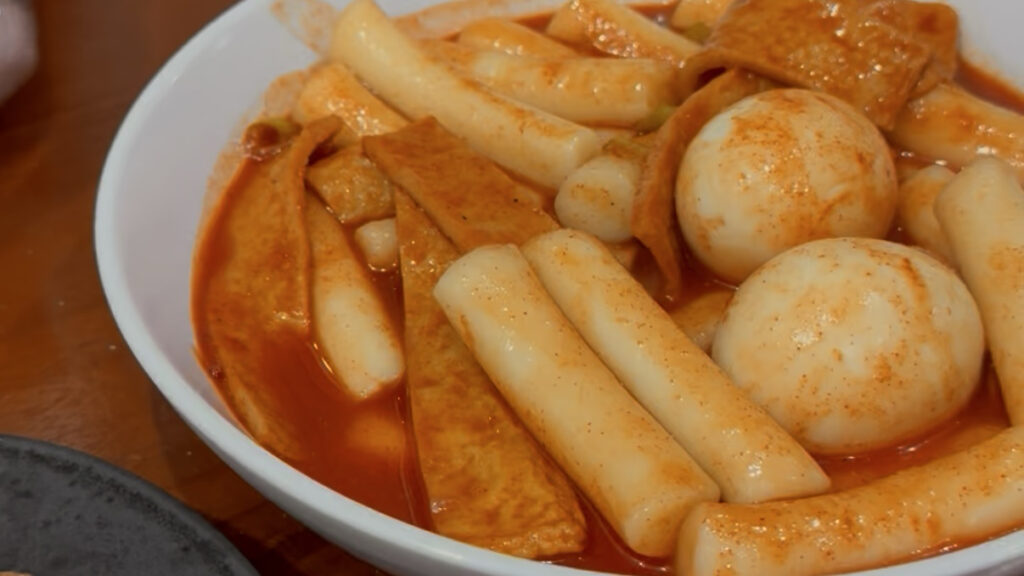
Tteokbokki is one of the Korean dishes I grew up eating. When I was younger, I would often have it with friends after school or stop by a small tteokbokki shop for a quick snack. It was such an everyday food for me that I never really thought about how it was made.
When I first started making tteokbokki at home, I honestly thought it would be really easy. I mean, how difficult could it be? I had the rice cakes, gochujang, and the other basic ingredients, so I just put everything together and cooked it. But the first few times, it didn’t taste anything like the tteokbokki I remembered. It mostly just tasted like gochujang, and honestly, it wasn’t very good.
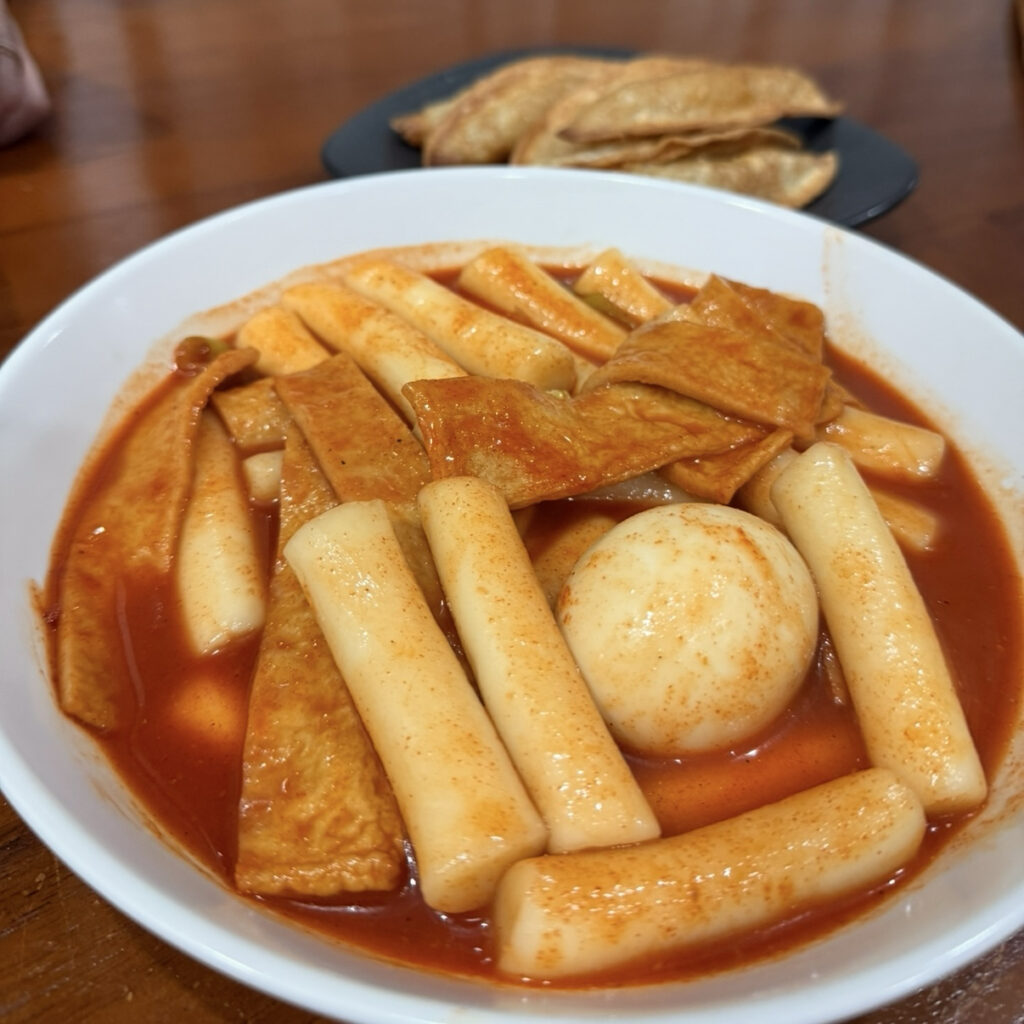
That’s when I realized that making good tteokbokki isn’t just about having the right ingredients. The proportions really matter. Even when you use exactly the same ingredients, changing the amount of each one can completely change the flavor. Too much gochujang can make the sauce heavy and salty, while the right balance gives you that sweet, spicy, and savory taste you expect from good tteokbokki.
After making it many times and adjusting the ingredients, I finally found the combination that I like. This is the version I make at home now, and I hope it helps you avoid the same trial and error I went through.
🛒Ingredients
✓ 300 g Korean tteok (rice cakes) – I used wheat-based tteok (mil-tteok) for this recipe. You can also use rice-based tteok (ssal-tteok). Both work well for tteokbokki, but they have slightly different textures. Wheat-based tteok is softer and springier, while rice-based tteok is denser and chewier.
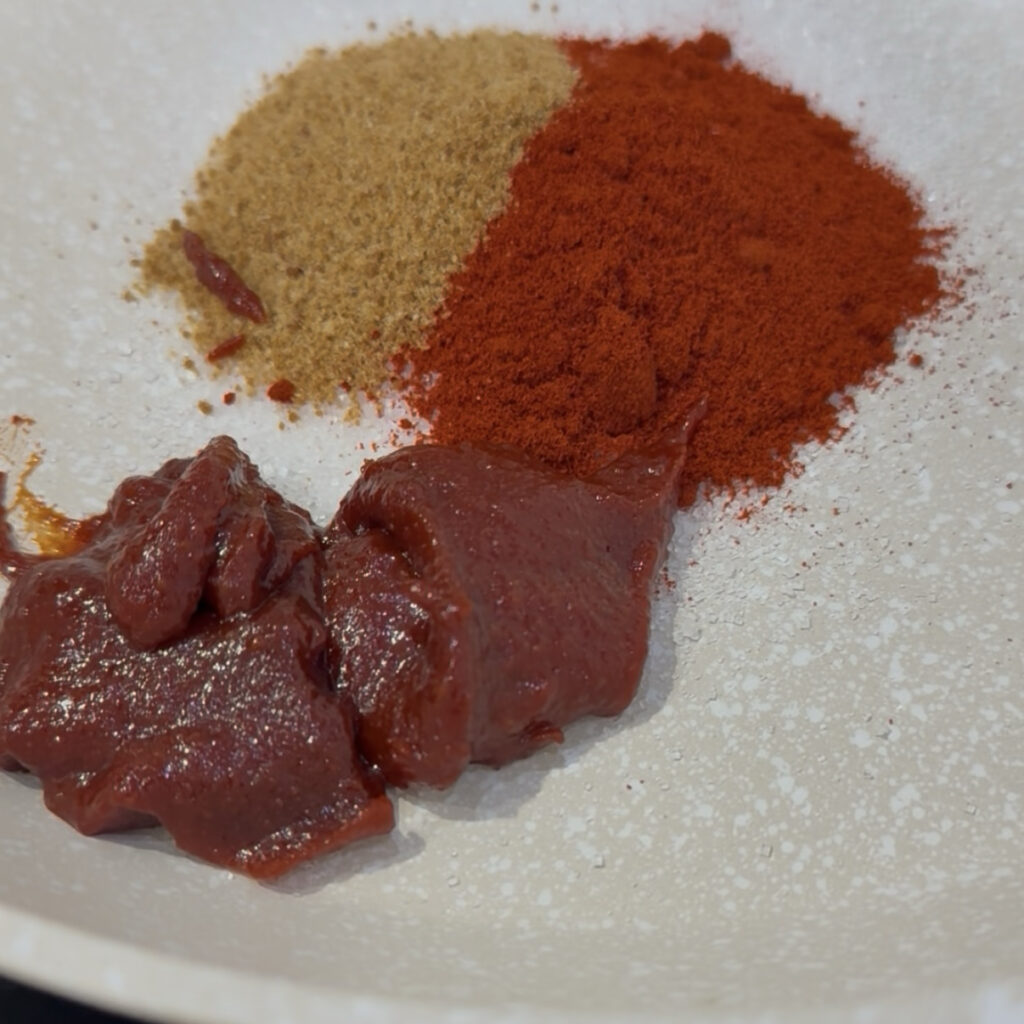
✓ 2 Tbsp gochujang (Korean red chili paste) – Gives the sauce its signature spicy, savory flavor and bright red color.
✓ 2 Tbsp sugar – Adds sweetness and helps balance the heat from the gochujang.
✓ 1 Tbsp gochugaru (Korean red pepper flakes) – Adds extra heat and a deeper chili flavor.
✓ 2 Tbsp rice syrup – Adds sweetness and helps give the sauce a smooth, slightly glossy texture.
✓ ½ tsp Dashida (Korean beef-flavored seasoning) – A popular Korean seasoning that adds savory flavor and umami to the sauce. You only need a small amount to give the tteokbokki a deeper flavor.
✓ 450 ml water – Creates the base of the sauce and gives the tteok enough liquid to cook in.
✓ 100g Fish cake(optional) – 2 sheets
✓ 20 g Green onion(optional) – a small amount
🍳 How to Make Korean Tteokbokki (Spicy Korean Rice Cakes)
Step 1. Add everything to the pan
Place 300 g wheat-based rice cakes (mil-tteok) and fish cakes in an empty pan. Add 450 ml water, 100g Fish cake(optional), 20 g Green onion2 Tbsp gochujang, 2 Tbsp sugar, 1 Tbsp gochugaru, 2 Tbsp rice syrup, and ½ tsp Dashida.
Step 2. Bring to a boil, then reduce the heat
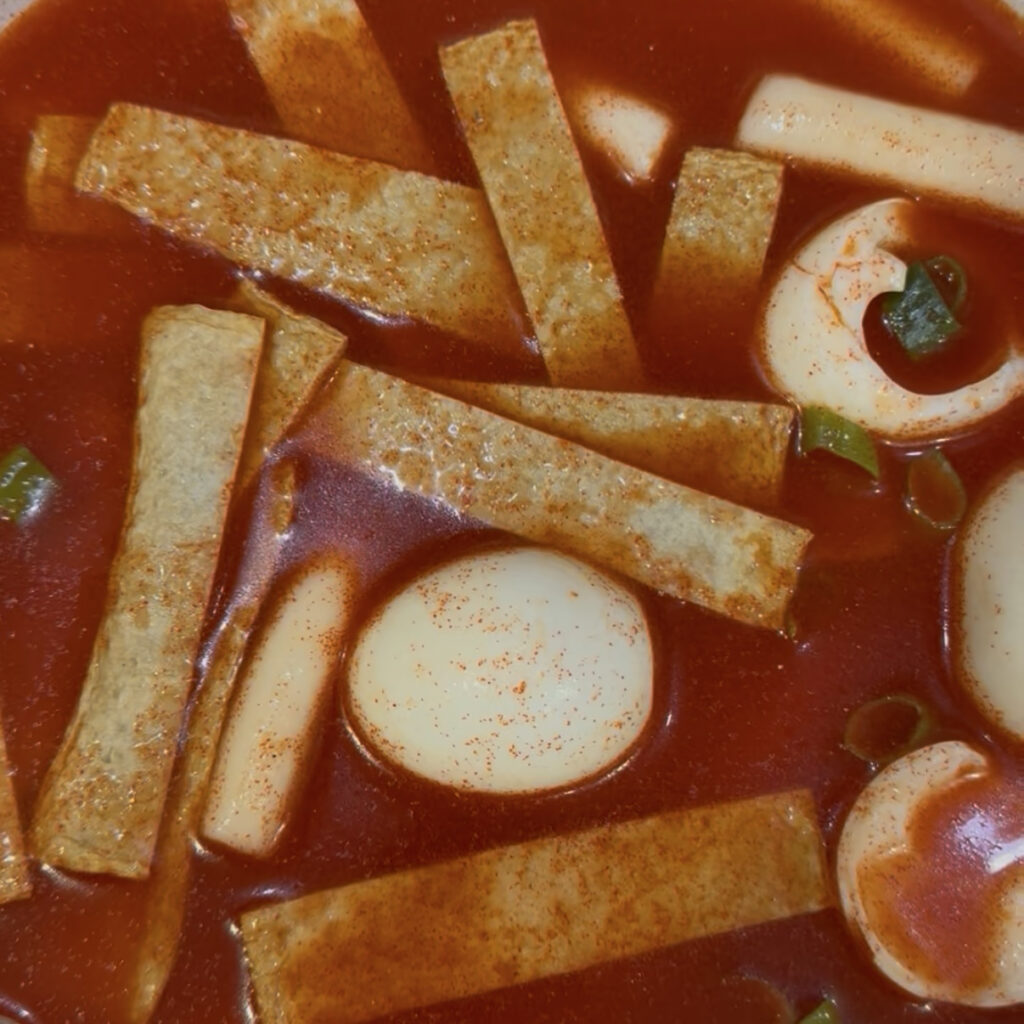
Bring everything to a boil over high heat, stirring occasionally so the seasonings mix well with the water and rice cakes. Once the rice cakes start to swell and soften, reduce the heat to medium. Continue cooking until the rice cakes are soft and chewy, stirring from time to time so they don’t stick to the bottom of the pan.
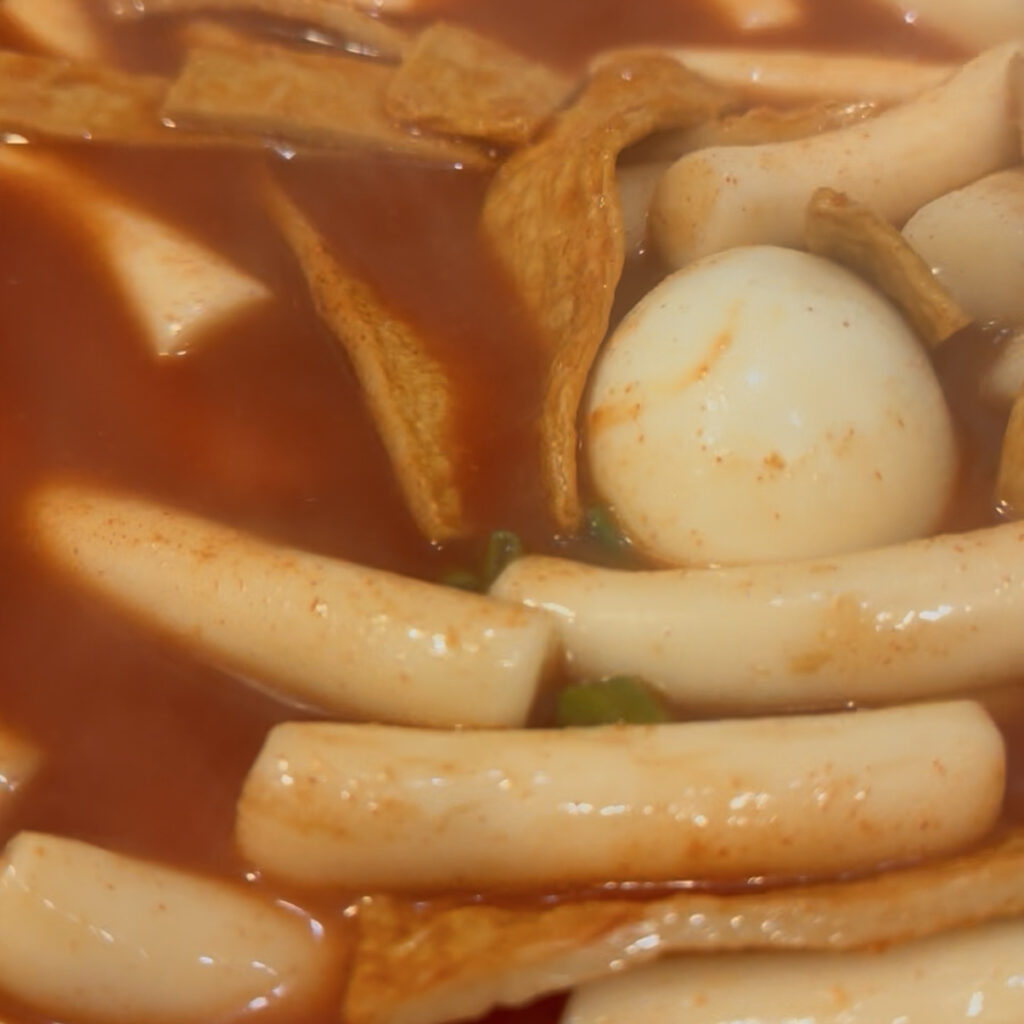
Step 3. Add the green onions
Add the green onions toward the end and cook for another 1–2 minutes.
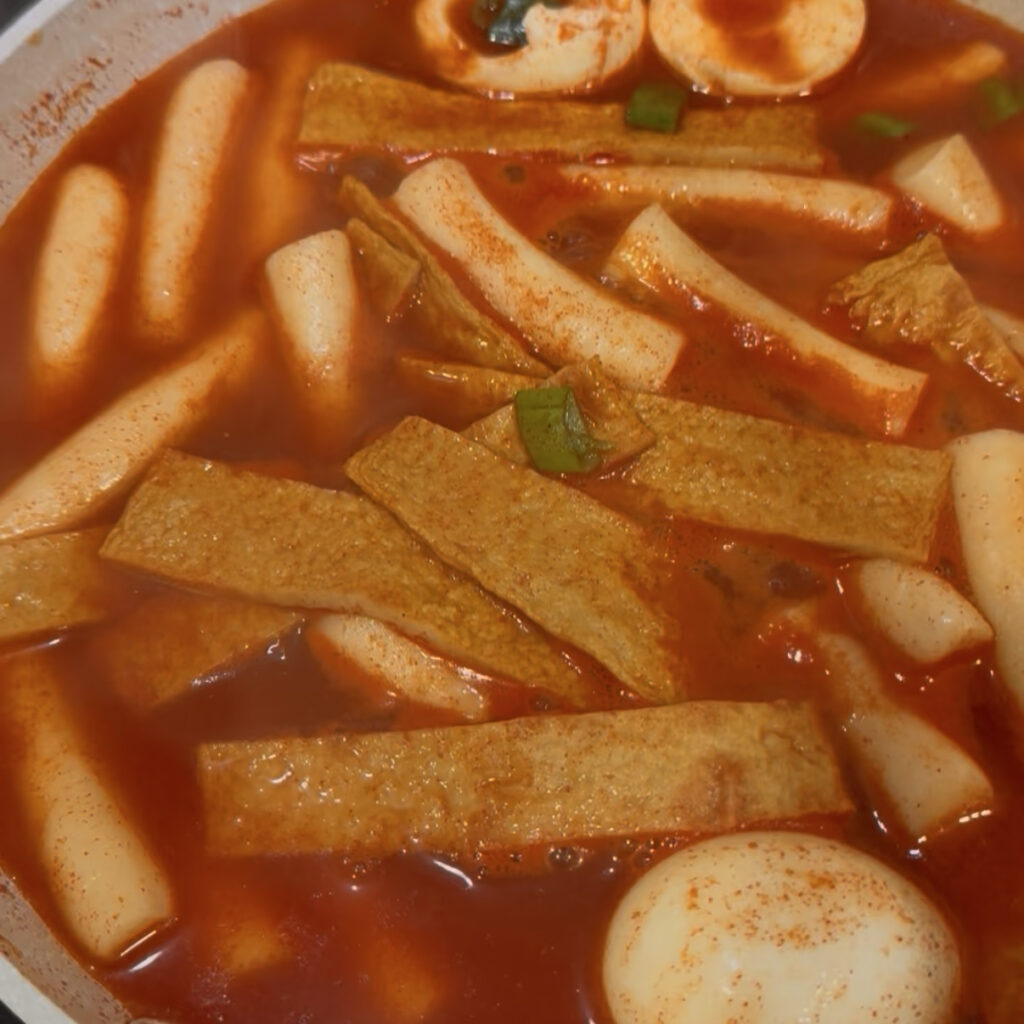
step 4. Serve
Serve hot and enjoy your homemade Korean tteokbokki
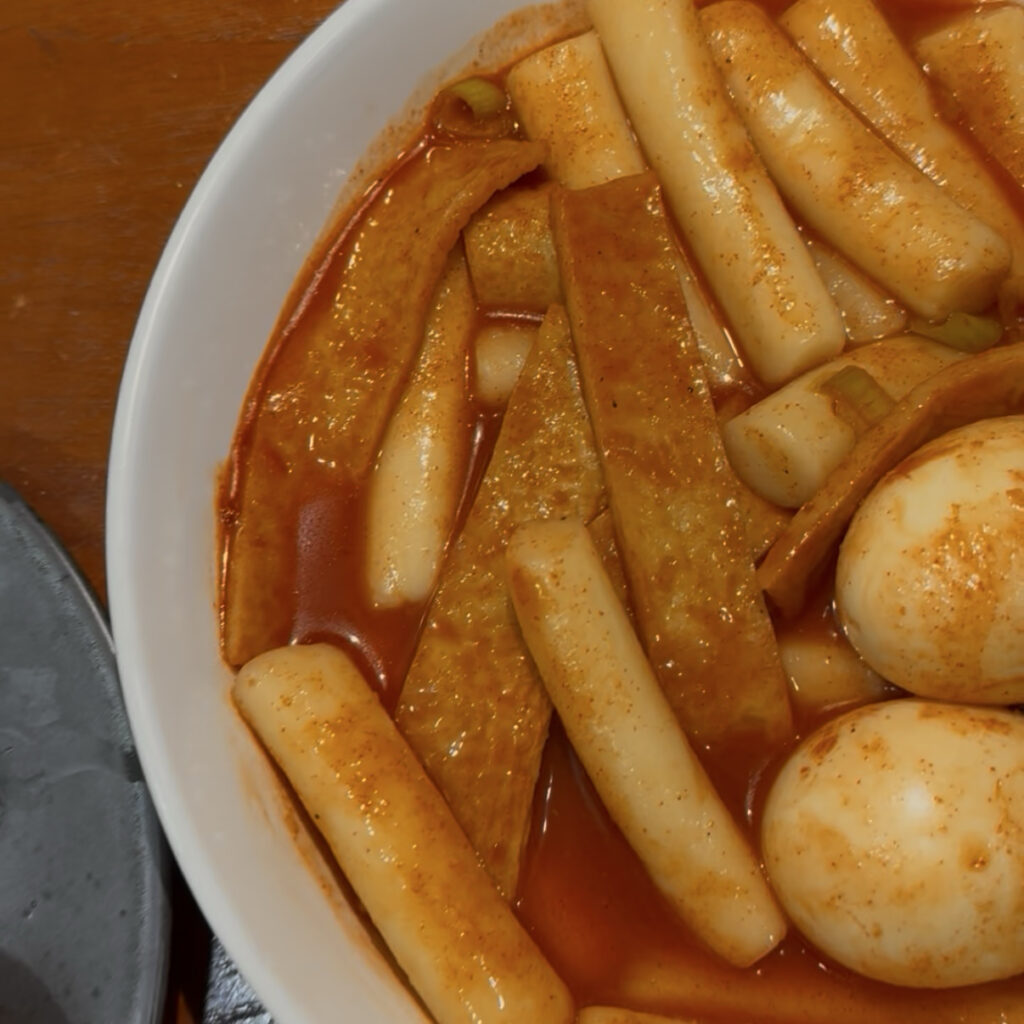
🍽️ Serving Tips
Tteokbokki is best served hot, right after cooking, while the rice cakes are still soft and chewy.
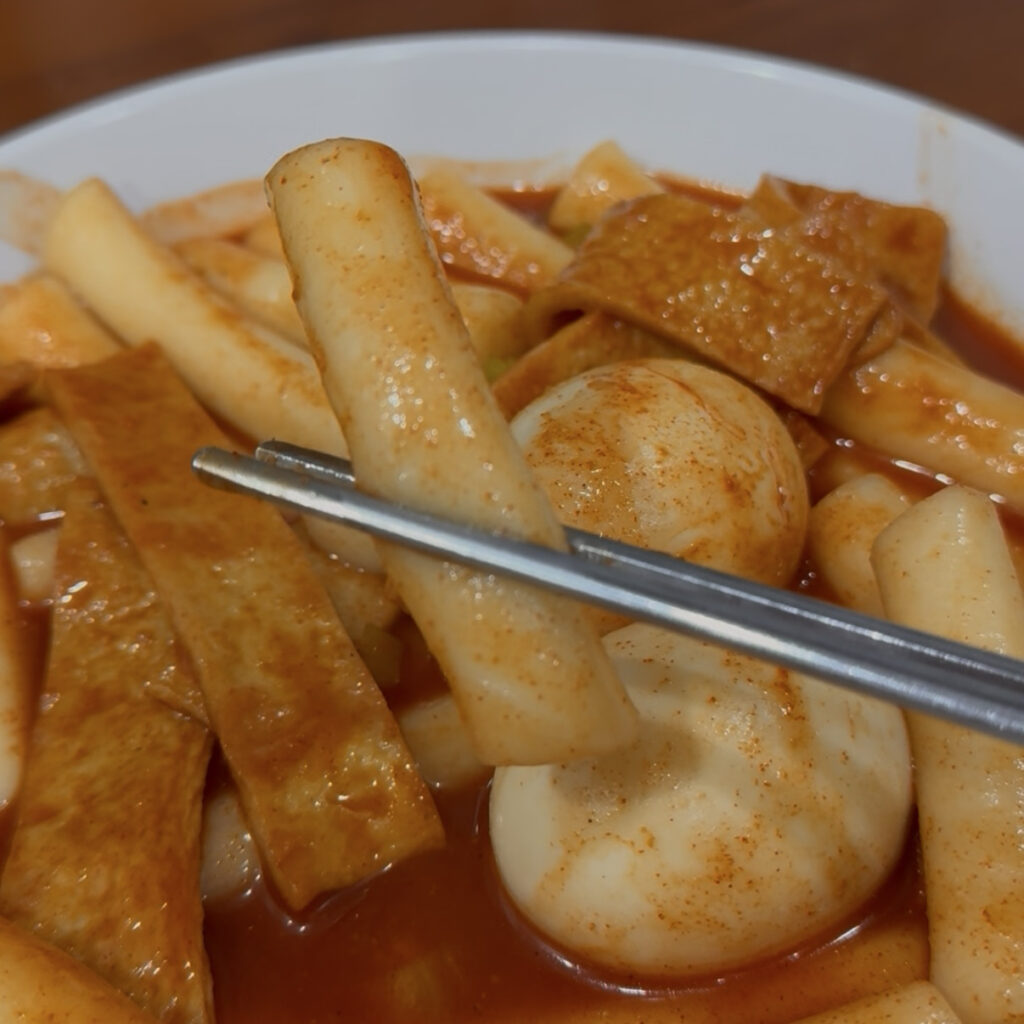
If you’re having it with a boiled egg, cut the egg in half and mix the yolk into the tteokbokki sauce. The creamy yolk makes the spicy sauce a little richer, and this is one of my favorite ways to eat tteokbokki.
And if you have leftover sauce, don’t throw it away. Add noodles or cooked rice and make another quick meal. I especially like making spicy fried rice with the leftover sauce.
❓ FAQ
Q. Can I use rice cakes instead of wheat rice cakes?
A. Of, course. You can use either wheat-based tteok (mil-tteok) or rice-based tteok (ssal-tteok). The texture is a little different, but both work well for tteokbokki.
Q. Can I make tteokbokki less spicy?
A. You can reduce the amount of gochugaru to make it milder. If it still tastes too spicy, add a little more water or sugar and adjust it to your taste.
Q. Why are my rice cakes hard?
A. If your rice cakes are refrigerated, they can be firmer than freshly made ones. Make sure they cook long enough in the sauce to become soft and chewy. Avoid cooking them for too long, though, or they can become too soft.
Q. What can I add to tteokbokki?
A. There are quite a few things you can add. Fish cakes and boiled eggs are probably the most common, but green onions, cabbage, ramen noodles, and cheese are also great. I usually keep mine simple, but when I have other ingredients in the fridge, I’ll just throw them in.\
Q. What can I do with leftover sauce?
Don’t throw it away! Add cooked rice or noodles to the leftover sauce. You can even make spicy fried rice with it for another quick meal.
👉👉 You Might Also Like
🇰🇷 First time cooking Korean food?
👉 8 Essential Korean Ingredients Every Beginner Needs
👉 Korean Soy Sauce Explained: Jin Ganjang vs Guk Ganjang
👉 Gochujang vs. Gochugaru: What’s the Difference?
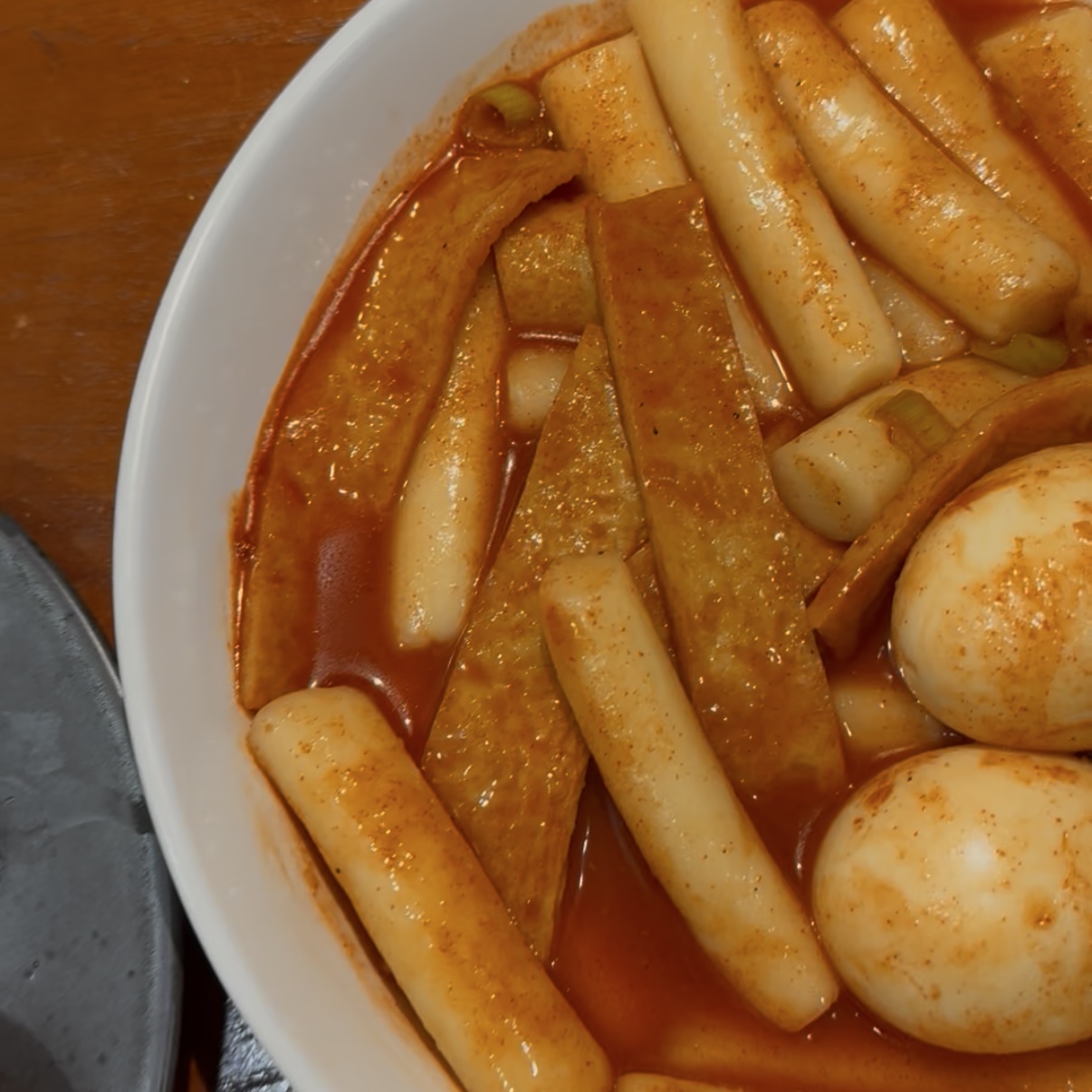

Easy Korean Tteokbokki Recipe
Ingredients
Method
- Add gochujang, sugar, gochugaru, rice syrup, and Dashida to a pan.
- Add 450 ml water and stir well until the seasonings are fully mixed.
- Add the rice cakes, fish cakes, and boiled eggs.
- Bring to a boil over high heat. Once the rice cakes start to soften and swell, reduce the heat to medium.
- Continue cooking, stirring occasionally, and add green onions at the end.

Hi, I’m Vella, a Korean home cook sharing easy Korean recipes for everyday cooking. I focus on simple recipes, practical tips, and ingredients that are easy to find outside Korea.