
🥢 Introduction
Have you ever tried mixing two different instant ramen flavors?
In Korea, people sometimes mix different instant ramen flavors to see how they taste together. When they find a combination they like, they share it with others. It’s a simple way to enjoy instant ramen a little differently, especially when you’re in the mood to try something new.
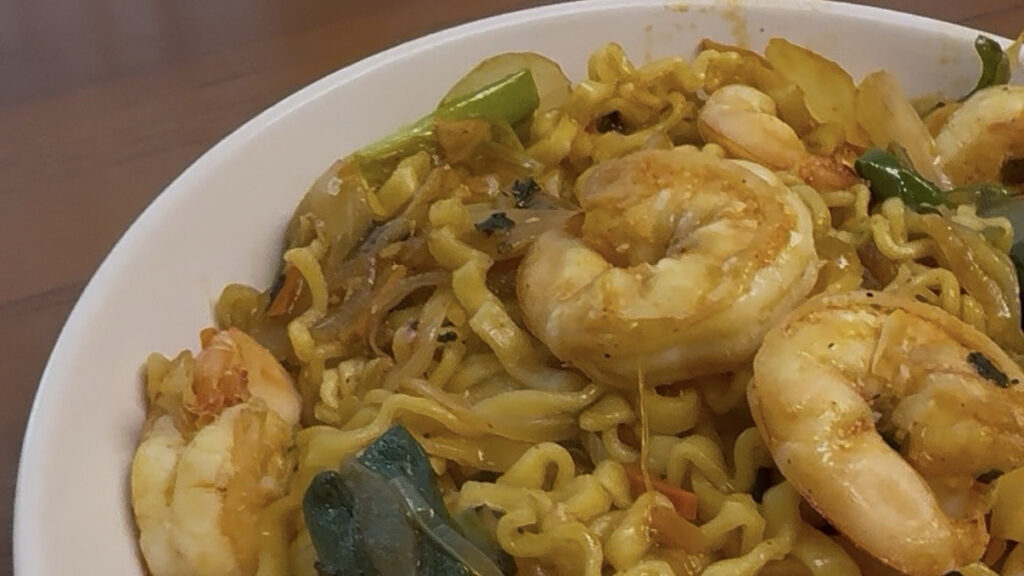
One combination worth trying is Jin Ramen and Jin Jjampong. Jin Ramen has a spicy, savory flavor, while Jin Jjampong has a stronger seafood taste. When you cook them together, you get a spicy broth with a rich seafood flavor. It’s a little different from eating either one on its own.
You can also add a few extra ingredients, such as onion, green onion, and shrimp. The onion adds a little sweetness, the green onion gives the broth more flavor, and the shrimp goes well with the seafood seasoning. You don’t need many extra ingredients to make the ramen more filling.
If you enjoy instant ramen, this combination is worth trying. You can adjust the amount of Jin Ramen seasoning to suit your taste. It’s an easy way to make a more satisfying meal at home without spending too much time in the kitchen.
🥬 Ingredients
✓ 1 pack Jin Ramen
✓ 1 pack Jin Jjampong
✓ ½ onion, thinly sliced
✓ 1 stalk green onion, chopped
✓ Shrimp, to taste
✓ A little cooking oil
✓ 180 ml reserved noodle cooking water

Seasoning
✓ All of the Jin Jjampong powder seasoning
✓ About ½ of the Jin Ramen powder seasoning, or to taste
✓ All of the Jin Jjampong liquid seasoning
🛒 Instructions
Step 1: Cook the Noodles
Bring a pot of water to a boil. Add both ramen noodles and both packets of dried vegetable flakes at the same time. Cook for about 3 minutes over medium-high heat, until the noodles are still slightly firm. They’ll cook a little more in the pan later.
Save 180 ml of the cooking water, then drain the noodles. Don’t rinse them with cold water.


Step 2: Stir-Fry the Vegetables and Shrimp
Heat a little cooking oil in a pan over medium heat. Add the sliced onion and chopped green onion, and stir-fry for about 1–2 minutes until the onion starts to soften and the green onion becomes fragrant. Add the shrimp and cook for another 2–3 minutes, until they turn pink and are almost cooked through. You can add more shrimp if you like a stronger seafood flavor.

Step 3: Add the Seasonings
Add all of the Jin Jjampong liquid seasoning and half of the Jin Ramen powder seasoning. Stir well to combine.

Step 4: Add the Noodles and Adjust the Seasoning
Pour in the reserved 180 ml of noodle cooking water and add the cooked noodles. Toss everything together over medium heat for 1–2 minutes, until the noodles are fully cooked. Taste the broth and add more Jin Ramen powder seasoning if needed. You may not need the whole packet.


Step 5: Add the Finishing Oil and Serve
Add the Jin Jjampong finishing oil and give everything a final stir. Transfer the ramen to a bowl and serve immediately while it’s hot.

🍽️ Tips for Serving and Seasoning
✓ Serve with kimchi. In Korea, we often eat instant ramen with kimchi. I like the combination of spicy ramen and sour, crunchy kimchi, especially when the broth has a rich seafood flavor.
✓ Use whatever vegetables you have. Cabbage and mushrooms are good additions, too. You don’t need to buy extra ingredients just for this recipe. Just keep in mind that adding more vegetables or shrimp may change the flavor slightly.
✓ Be careful with the seasoning. Use all of the Jin Jjampong liquid seasoning, but start with half of the Jin Ramen powder seasoning. Once you add the noodles and cooking water, taste the broth. If it needs more flavor, add a little more powder. You may not need the whole packet.
✓ Don’t let it sit too long. The noodles continue to absorb the broth as they sit, so I recommend serving the ramen as soon as it’s ready. It’s best enjoyed hot, with the noodles still chewy.
❓ FAQ
Q. Why don’t you use the whole Jin Ramen powder seasoning?
This recipe is more like a stir-fried ramen than a regular bowl of soup ramen. Since we’re using only 180 ml of noodle cooking water, the broth is much less diluted than usual. I recommend starting with half of the Jin Ramen powder seasoning and adding more if needed, so the flavor doesn’t become too strong or salty.
Q. Can I use a different type of instant ramen?
Yes! You can try this recipe with other instant ramen flavors, but the result will taste different depending on the seasoning and noodles you use. Jin Ramen and Jin Jjampong work well together because the spicy broth and seafood flavor complement each other.
Q. Can I skip the shrimp?
Of course. The shrimp adds extra seafood flavor, but you can leave it out if you don’t have any. The Jin Jjampong seasoning already gives the ramen a seafood taste.
Q. What vegetables can I add to this ramen?
Onion and green onion are easy options, but you can also add cabbage or mushrooms. Use whatever you have in the fridge, and slice the vegetables thinly so they cook quickly.
Q. How do I keep the noodles from getting too soft?
Avoid fully cooking the noodles in the first step. Drain them while they’re still slightly firm, then finish cooking them in the pan with the seasonings and noodle cooking water. Serve immediately for the best texture.
👉 More Recipes You Might Enjoy
🇰🇷 First time cooking Korean food?
👉 8 Essential Korean Ingredients Every Beginner Needs
👉 Korean Soy Sauce Explained: Jin Ganjang vs Guk Ganjang
👉 Gochujang vs. Gochugaru: What’s the Difference?
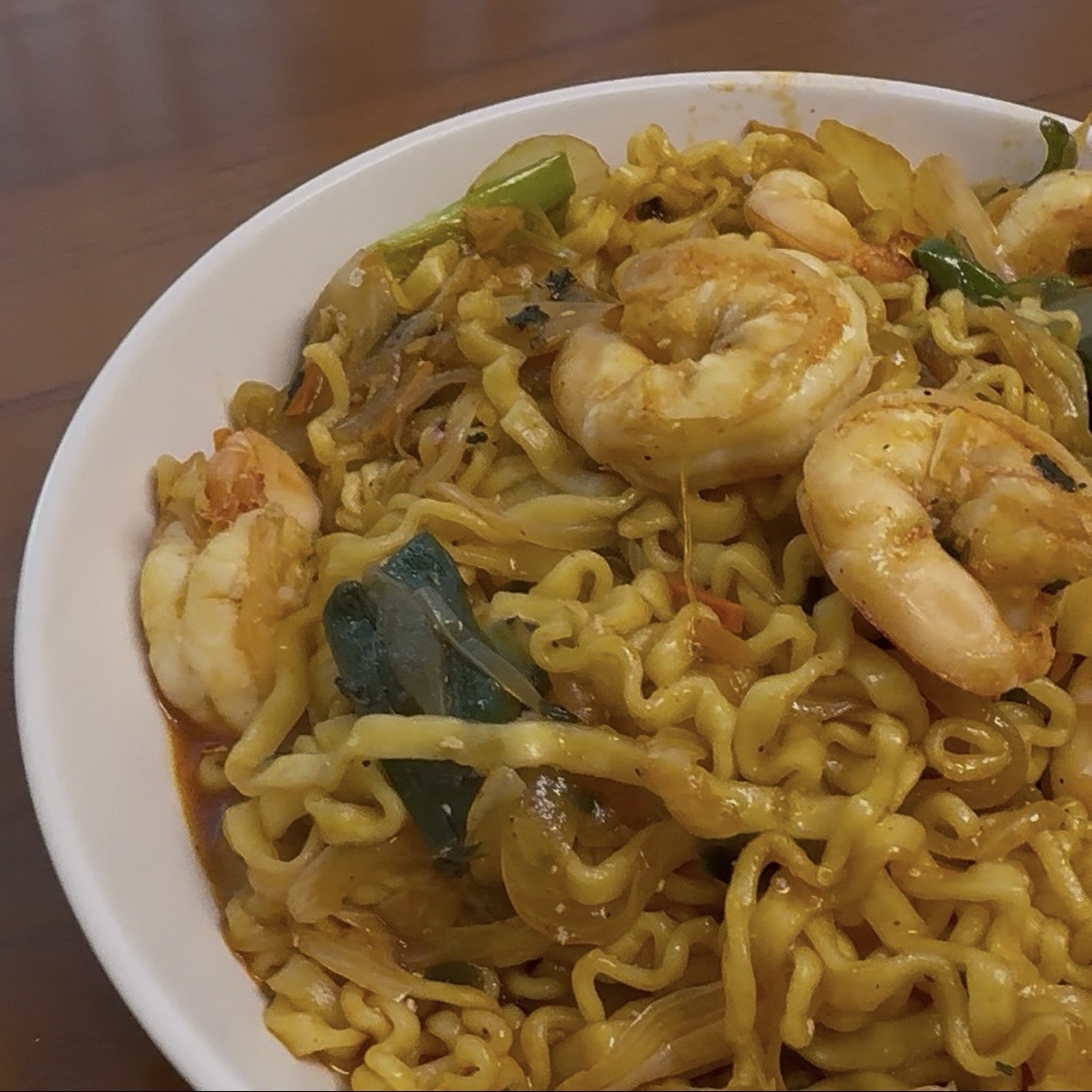

Jin Ramen & Jin Jjampong
Ingredients
Method
- Boil both ramen noodles with both packets of dried vegetable flakes for about 3 minutes, until slightly firm. Reserve 180 ml of cooking water, then drain.
- Heat a little oil in a pan over medium heat. Stir-fry the onion and green onion for 1–2 minutes, then add the shrimp and cook until done.
- Add all the Jin Jjampong liquid seasoning and half of the Jin Ramen powder seasoning. Stir well.
- Add the reserved cooking water and noodles. Toss over medium heat for 1–2 minutes. Taste and add more Jin Ramen powder seasoning if needed.
- Stir in the Jin Jjampong finishing oil and serve hot.

Hi, I’m Vella, a Korean home cook sharing easy Korean recipes for everyday cooking. I focus on simple recipes, practical tips, and ingredients that are easy to find outside Korea.