
The Difference Between Jin-Ganjang, Guk-Ganjang, and Japanese Soy Sauce
Introduction
If you’re new to Korean cooking, soy sauce can be surprisingly confusing.
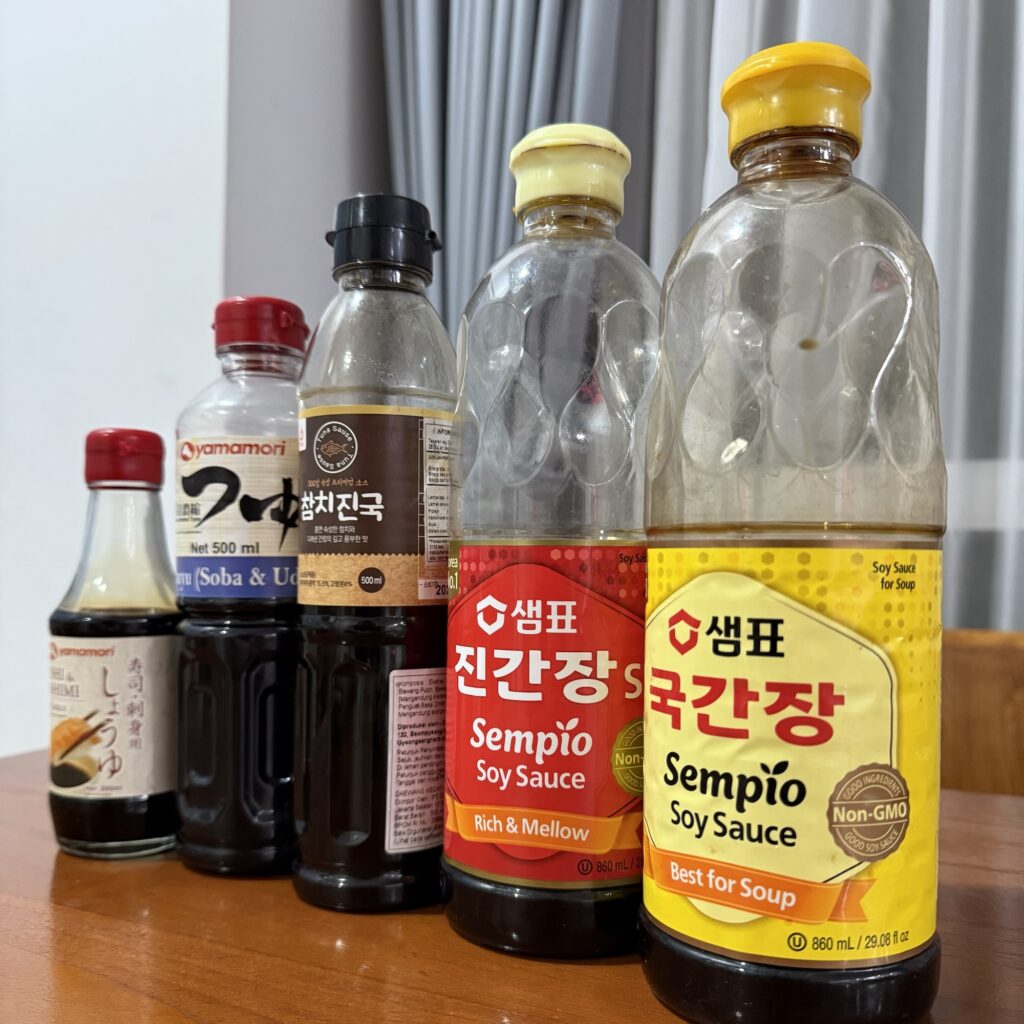
At the supermarket, you’ll see labels like jin-ganjang, guk-ganjang, and even Japanese soy sauce that looks almost the same—but they’re not interchangeable.
I’ve made this mistake myself while cooking abroad, and the results were often too salty, too dark, or just… not quite right.
In this post, I’ll break down the different types of Korean soy sauce, explain how they compare to Japanese soy sauce, and show you when to use each one—especially if you’re cooking Korean food outside of Korea.
1. Jin-Ganjang (진간장) – Korean Dark Soy Sauce
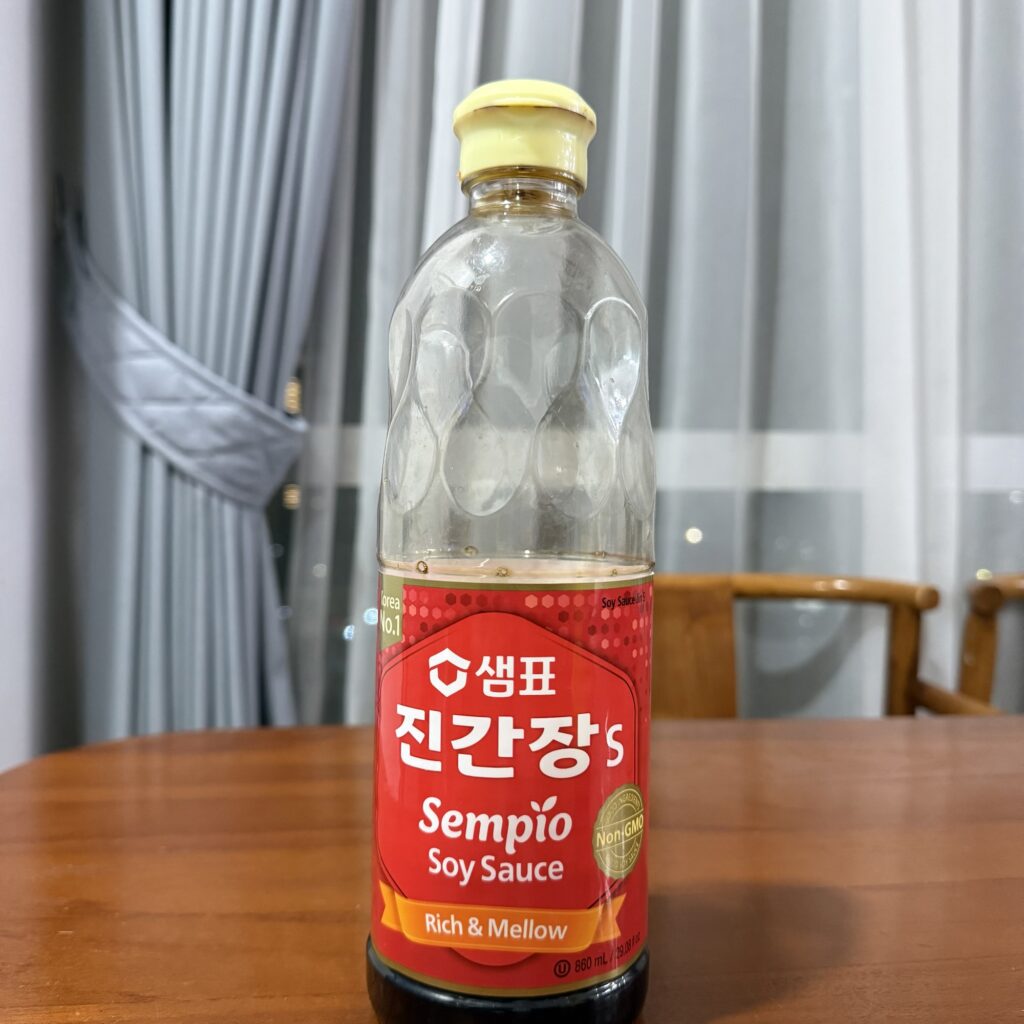
Jin-ganjang is the most commonly used soy sauce in Korean home cooking today.
Despite the name “dark soy sauce,” it is not thick or sweet like Chinese dark soy sauce. Instead, it’s designed to be well-balanced and versatile.
Flavor profile
- Balanced saltiness
- Mild umami
- Slight sweetness
How it’s made
Modern jin-ganjang is typically made by blending brewed soy sauce with salt and water. This process creates a consistent, stable flavor that works well in many everyday dishes.
Best uses
- Braised dishes (soy-braised eggs, chicken, tofu)
- Stir-fries
- Marinades
- Everyday seasoning
If a Korean recipe simply says “soy sauce” without further explanation, jin-ganjang is usually the correct choice.
2. Guk-Ganjang (국간장) – Korean Soup Soy Sauce
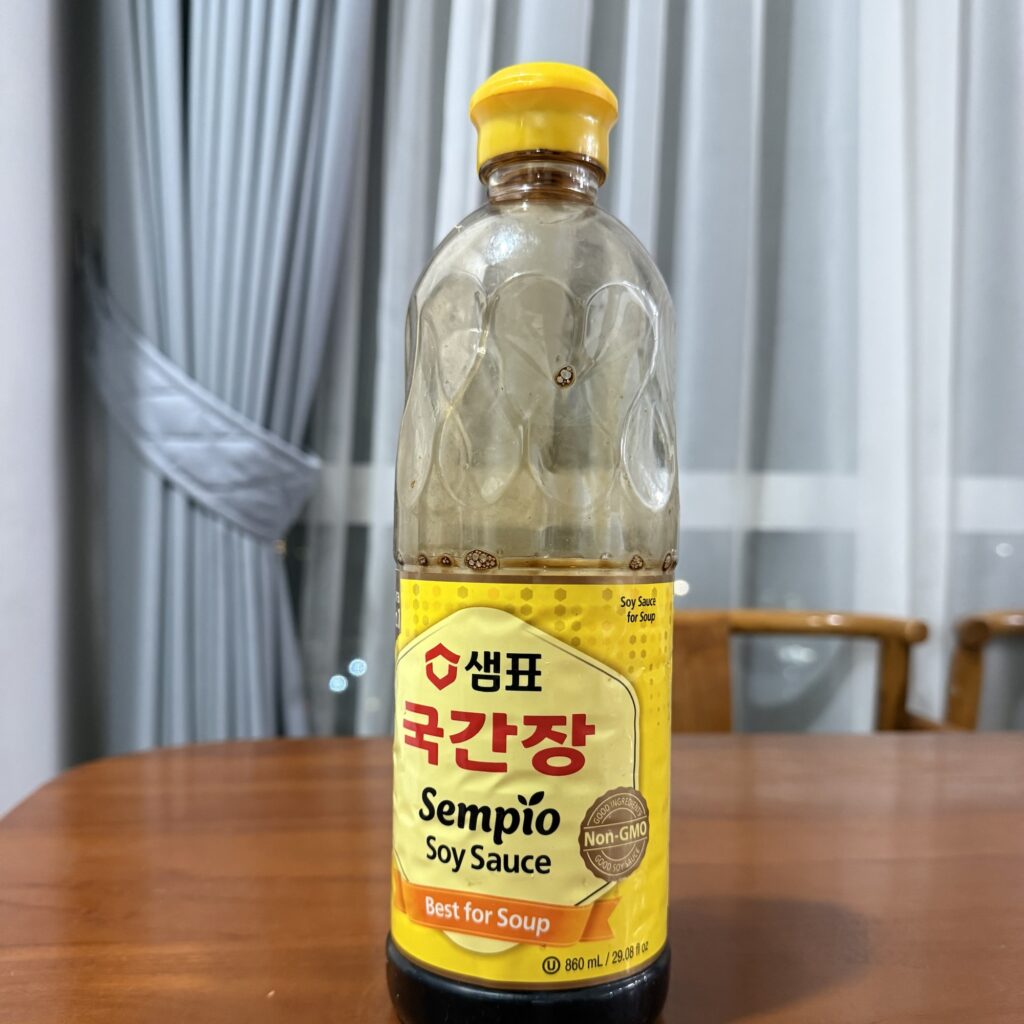
Guk-ganjang literally means “soup soy sauce.”
It is much lighter in color than jin-ganjang, but significantly saltier, with a cleaner and sharper taste.
Flavor profile
- Very salty
- Clean, sharp flavor
- Minimal sweetness
How it’s made
Traditional guk-ganjang is produced during the process of making doenjang (Korean soybean paste).
Because of this, it’s closer to a fermented brine than to modern brewed soy sauce.
Best uses
- Korean soups and stews
- Seasoning vegetables without darkening their color
- Light, clear broths
⚠️ Important note
Using guk-ganjang in place of jin-ganjang in braised dishes will make the food overly salty and unbalanced.
3. Japanese Soy Sauce (Shoyu)
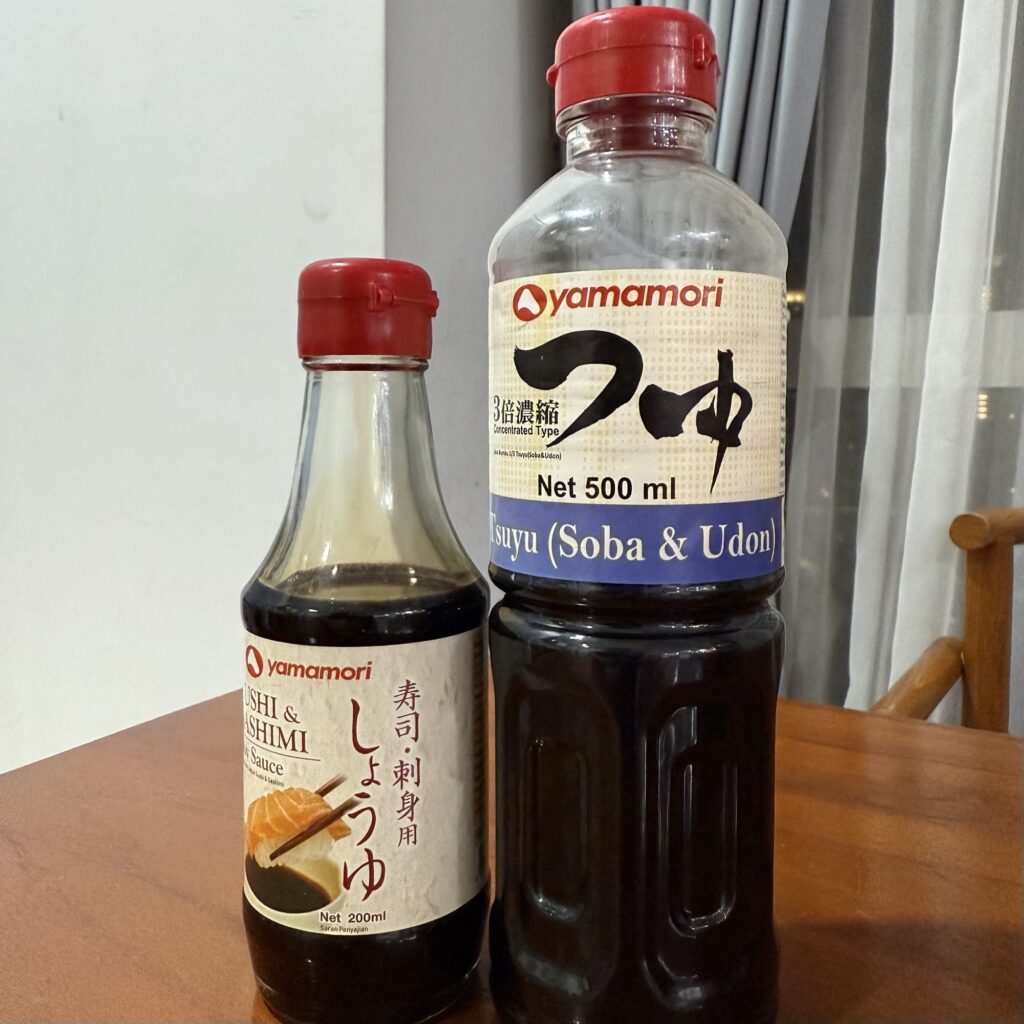
Japanese soy sauce, or shoyu, is widely available around the world, so many people use it as a substitute for Korean soy sauce.
Flavor profile
- Sweeter
- Stronger umami
- Slightly alcoholic aroma
How it’s different
Japanese soy sauce often contains wheat and is brewed to be more aromatic and smooth. This makes it especially well suited for dipping rather than long cooking.
Best uses
- Dipping sauces
- Light stir-fries
- When Korean soy sauce is unavailable (with adjustment)
If you use Japanese soy sauce in Korean recipes, reduce the amount slightly and taste as you go—it tends to be sweeter and more fragrant than Korean soy sauce.
4. Can You Substitute Them?
Short answer: yes—but you need to be careful.
Not all soy sauces behave the same in cooking. They differ in saltiness, aroma, fermentation style, and purpose, so swapping them blindly can easily throw off the balance of a dish.
For example, guk-ganjang (soup soy sauce) is much saltier and lighter in color. Using it in place of regular soy sauce can make a dish overly salty very quickly.
Japanese soy sauce, on the other hand, is usually slightly sweeter and more aromatic. It works well in dipping sauces or light marinades, but it can subtly change the flavor of traditional Korean dishes.
If you must substitute:
- Use less than the original amount
- Taste as you go
- Adjust with water or a small amount of sugar if needed
In short, soy sauces can replace each other in a pinch—but for the best flavor, especially in Korean recipes, using the right type of soy sauce matters more than people think.
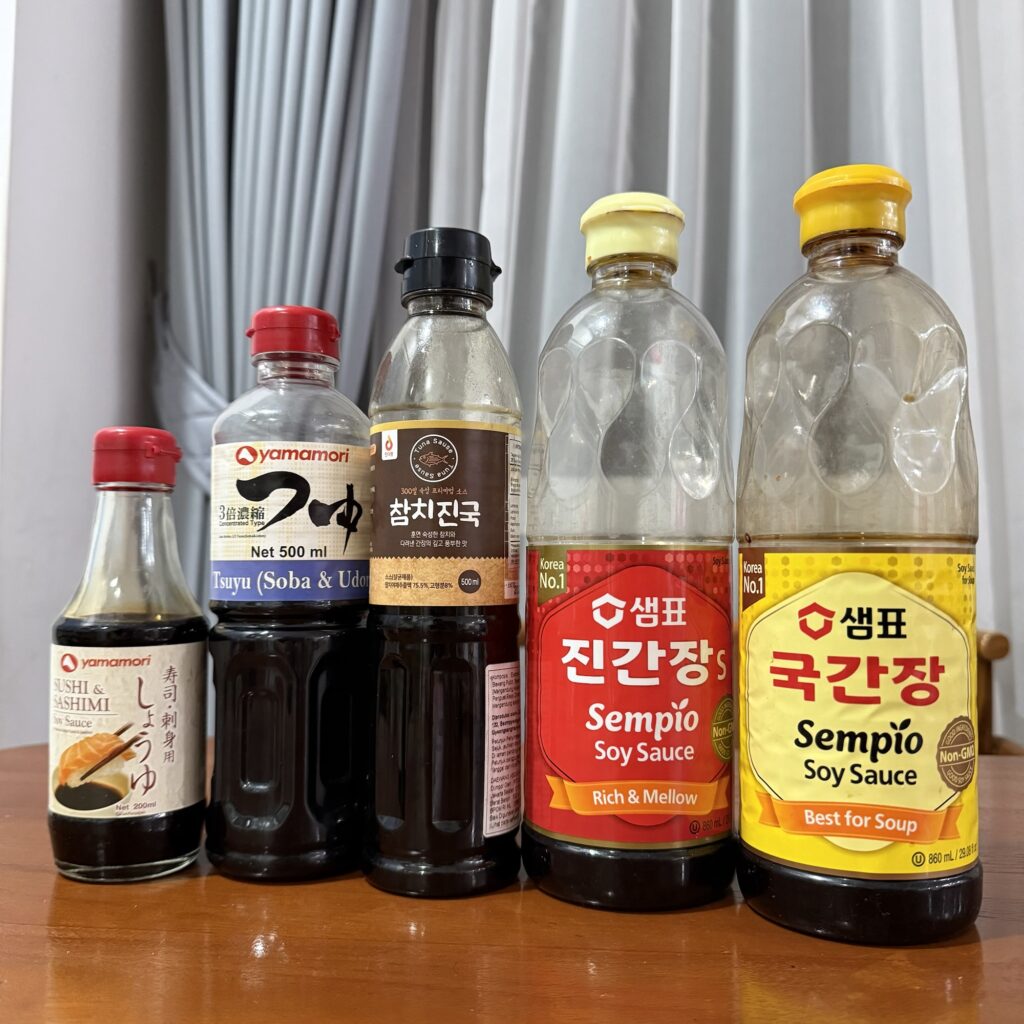
5. How Koreans actually choose soy sauce at home
In Korean kitchens, soy sauce is not chosen by brand—it’s chosen by purpose.
Most households keep at least two types of soy sauce:
- One for soups
- One for braised or marinated dishes
When making soup, Koreans reach for guk-ganjang, because it seasons without overpowering the color or aroma.
For dishes like braised tofu, soy-marinated eggs, or bulgogi, jin-ganjang is preferred, as it adds depth, color, and mild sweetness.
This distinction is something Korean cooks learn naturally over time—often without even realizing they are following “rules.”
6. Practical tips for non-Korean cooks
If you’re not Korean, choosing soy sauce for Korean recipes can feel confusing — and honestly, that’s normal.
Most Korean dishes don’t rely on just one “universal” soy sauce, and using the wrong one can change the flavor more than you expect. Here are a few practical tips to help you avoid common mistakes.
1. Don’t assume all soy sauces are interchangeable
If a Korean recipe simply says “soy sauce” without clarification, it usually means jin-ganjang (dark soy sauce), not soup soy sauce. Soup soy sauce is much saltier and lighter in color, and using it in the same amount will almost always make the dish too salty.
2. Reduce the amount when using Japanese soy sauce
Japanese soy sauce is often more aromatic and slightly sweeter than Korean jin-ganjang. If you substitute it, start with about 70–80% of the original amount and adjust after tasting. Adding more later is always easier than fixing an overly salty dish.
3. Taste the soy sauce before cooking
This might sound obvious, but many people skip it. A quick taste tells you how salty, sharp, or sweet the sauce is — helping you instinctively adjust sugar, water, or other seasonings.
4. Remember that Korean home cooking is flexible
Korean cooks rarely measure soy sauce precisely. We taste, adjust, and adapt based on what we have at home. If your dish tastes balanced to you, then you’re already doing it right — even if the soy sauce brand or type isn’t exactly the same.
👉 You Might Also Like