
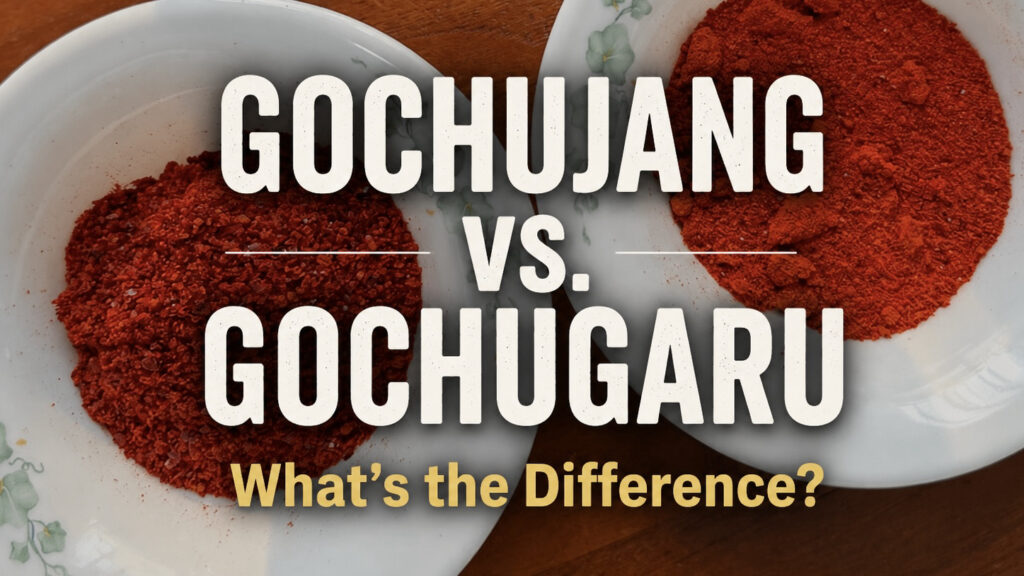
When I first moved abroad, one of the most common questions I got from friends was, “What’s the difference between gochujang and gochugaru?” Since both ingredients are vibrant red and show up in almost every Korean recipe, it’s super easy to assume they’re basically the same thing.
But as someone who grew up in Korea watching my mom cook every single day, I can tell you they are completely different worlds. Honestly, using the wrong one can totally ruin the vibe and flavor of your dish.
If you’re just starting your Korean cooking journey at home, mastering the difference between these two is the absolute best place to begin.
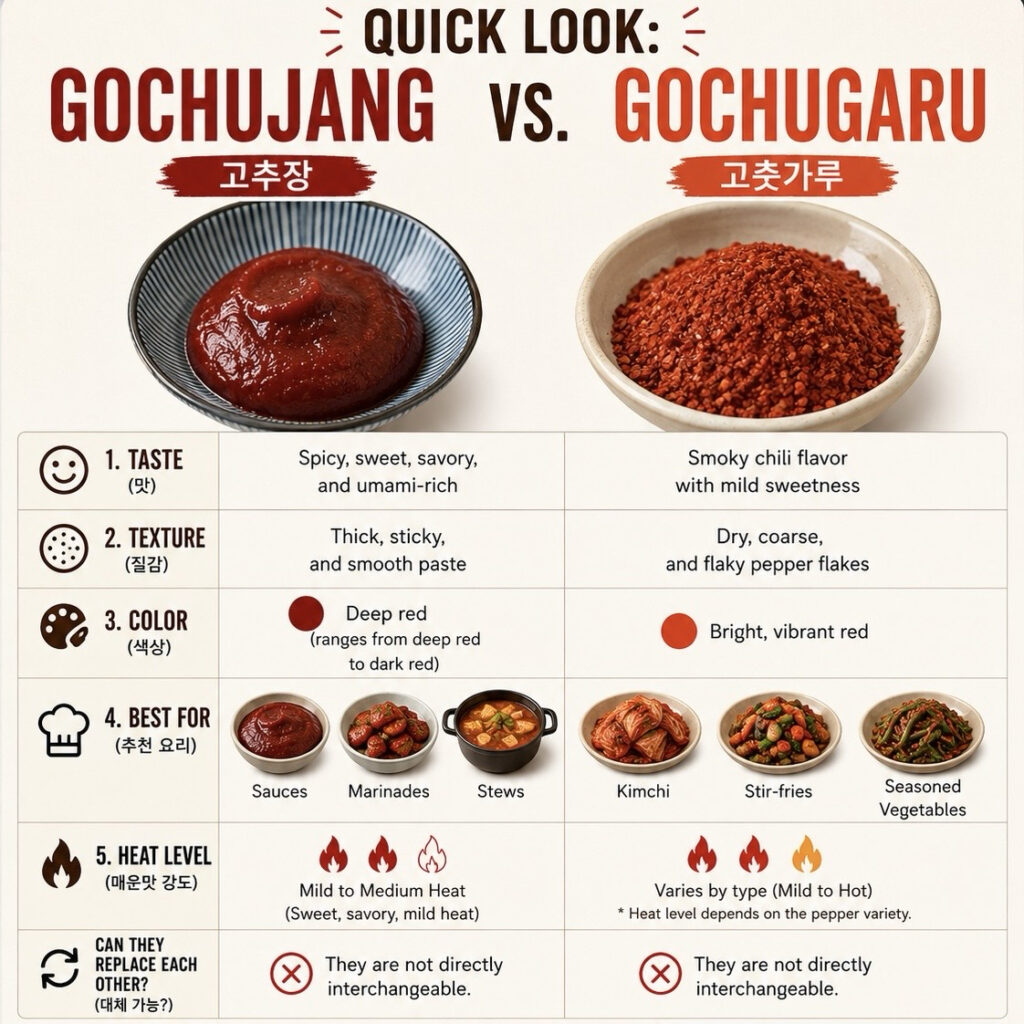
1. Quick Look: Gochujang vs. Gochugaru
2. What Is Gochujang (고추장)?
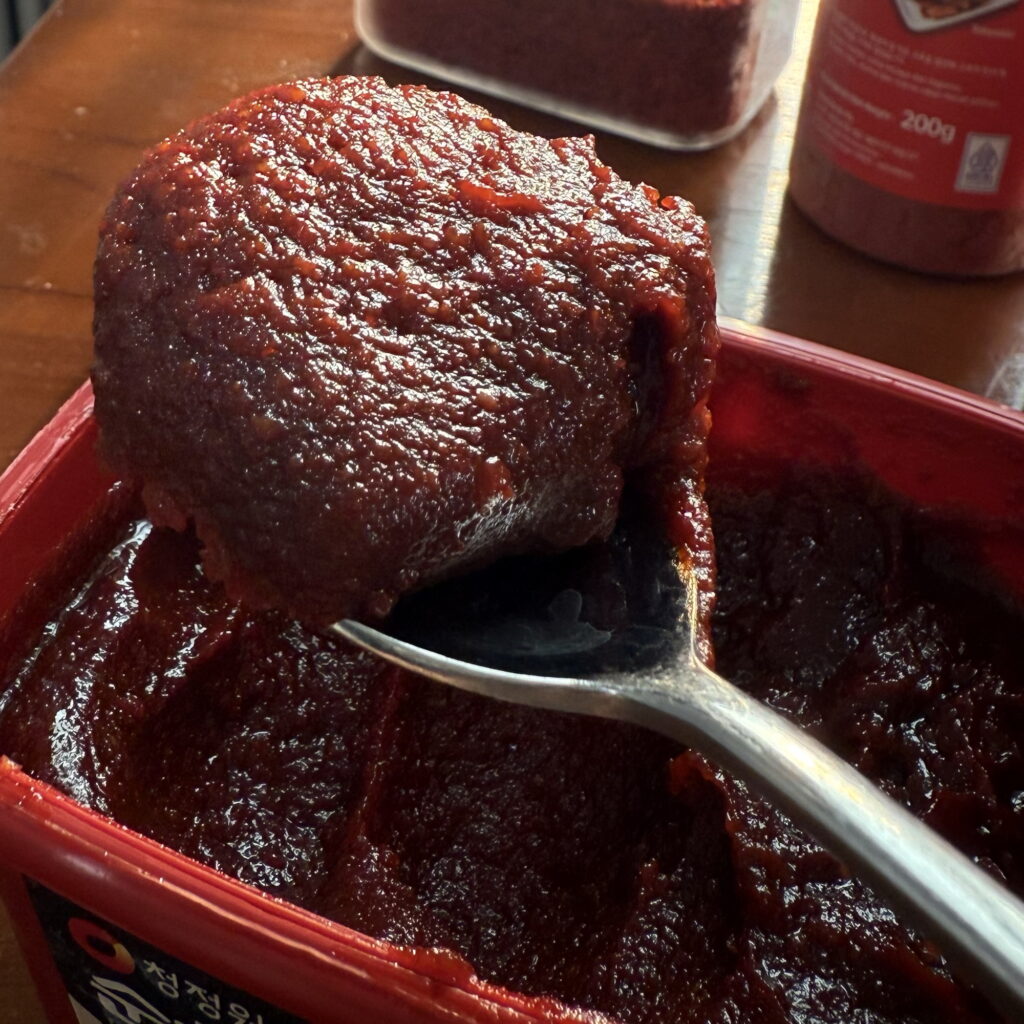
Think of gochujang as a thick, fermented Korean red pepper paste. It’s made from a traditional blend of red pepper powder, fermented soybeans, glutinous rice, and salt.
Unlike Western hot sauces that just bring straight vinegary heat, gochujang is a slow burn. It has a deeply rich, slightly sweet, and intensely savory (umami) flavor that only develops through time and fermentation. The texture is thick and smooth—almost like a dense tomato paste—making it the ultimate base for sauces, marinades, and glazes.
Growing up in Korea, there was always a tub of gochujang in our fridge. It’s that one ride-or-die ingredient every Korean household keeps on hand.
3. What Is Gochugaru (고춧가루)?
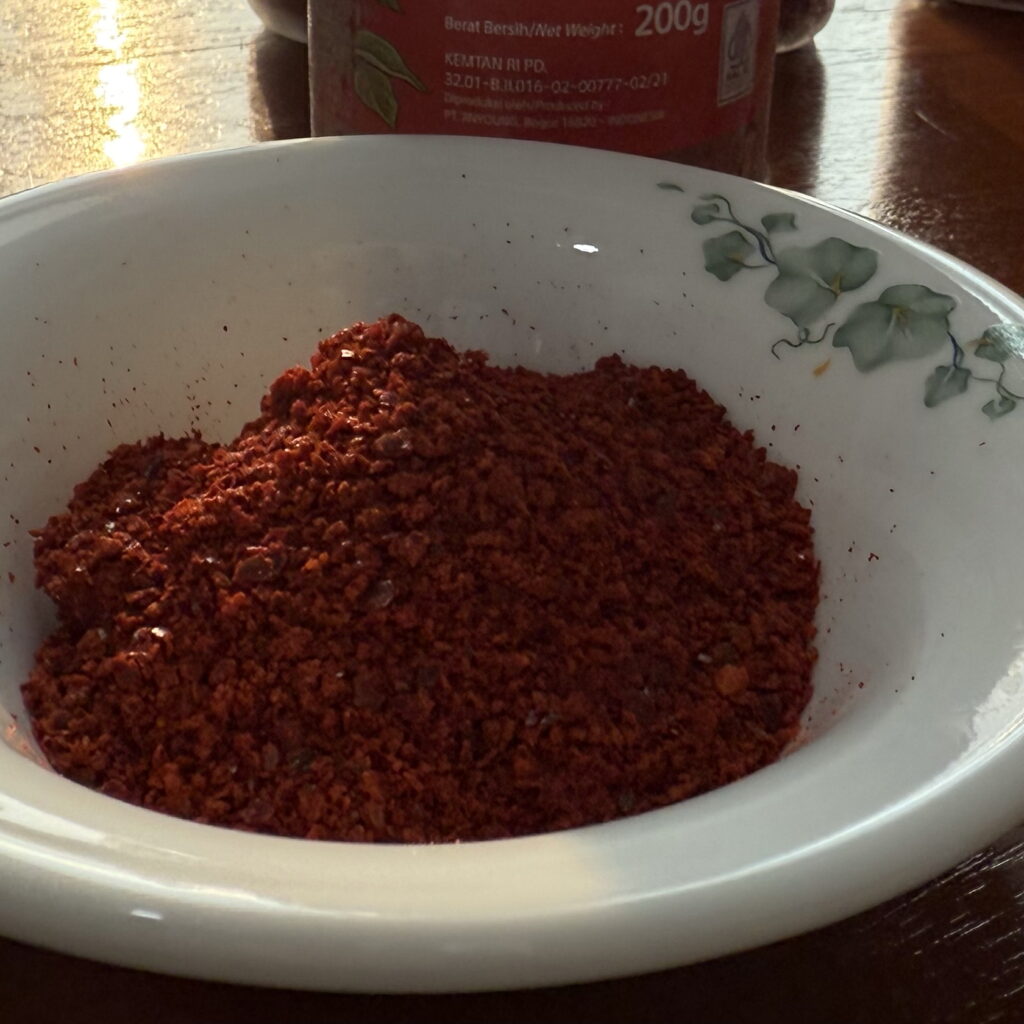
Gochugaru simply translates to “red pepper powder,” but it’s actually vibrant, sun-dried Korean chili flakes.
Unlike gochujang, there is zero fermentation involved here. It’s just pure, dried chili pepper flakes with a beautiful smoky, slightly fruity flavor and a gorgeous bright red color.
A major plot twist for beginners: authentic Korean gochugaru is usually less spicy than the crushed red pepper flakes you shake onto your pizza at American grocery stores. It brings a clean, fresh heat rather than a burning sting. We use it to add instant color and vibrant heat without altering the texture of the dish.
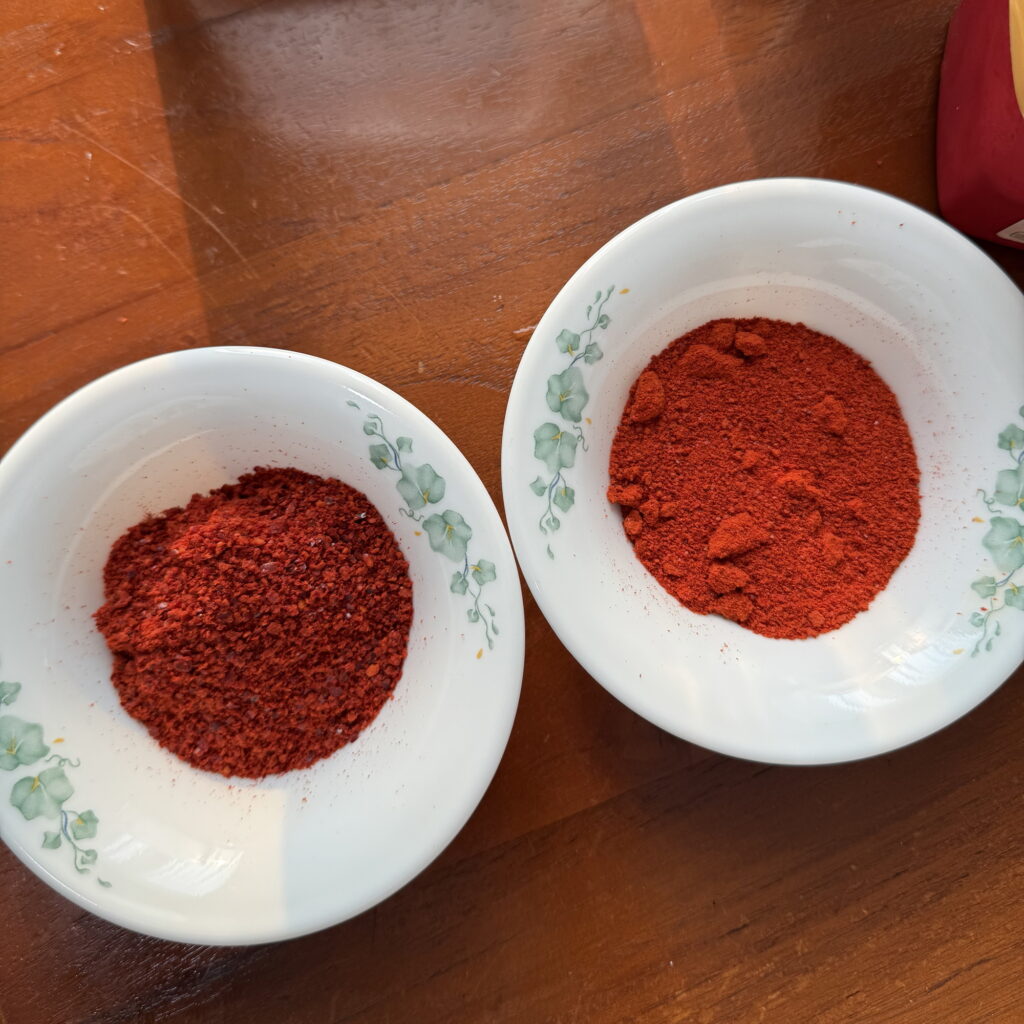
💡 Quick Home Cook Tip: When you shop, you might see two types of gochugaru.
✔️ Coarse flakes are what you want for everyday cooking, stews, and kimchi.
✔️ Fine powder is usually reserved for making gochujang from scratch.
Grab the coarse one first!
Q1. Can I Just Blend Fresh Red Peppers Instead?
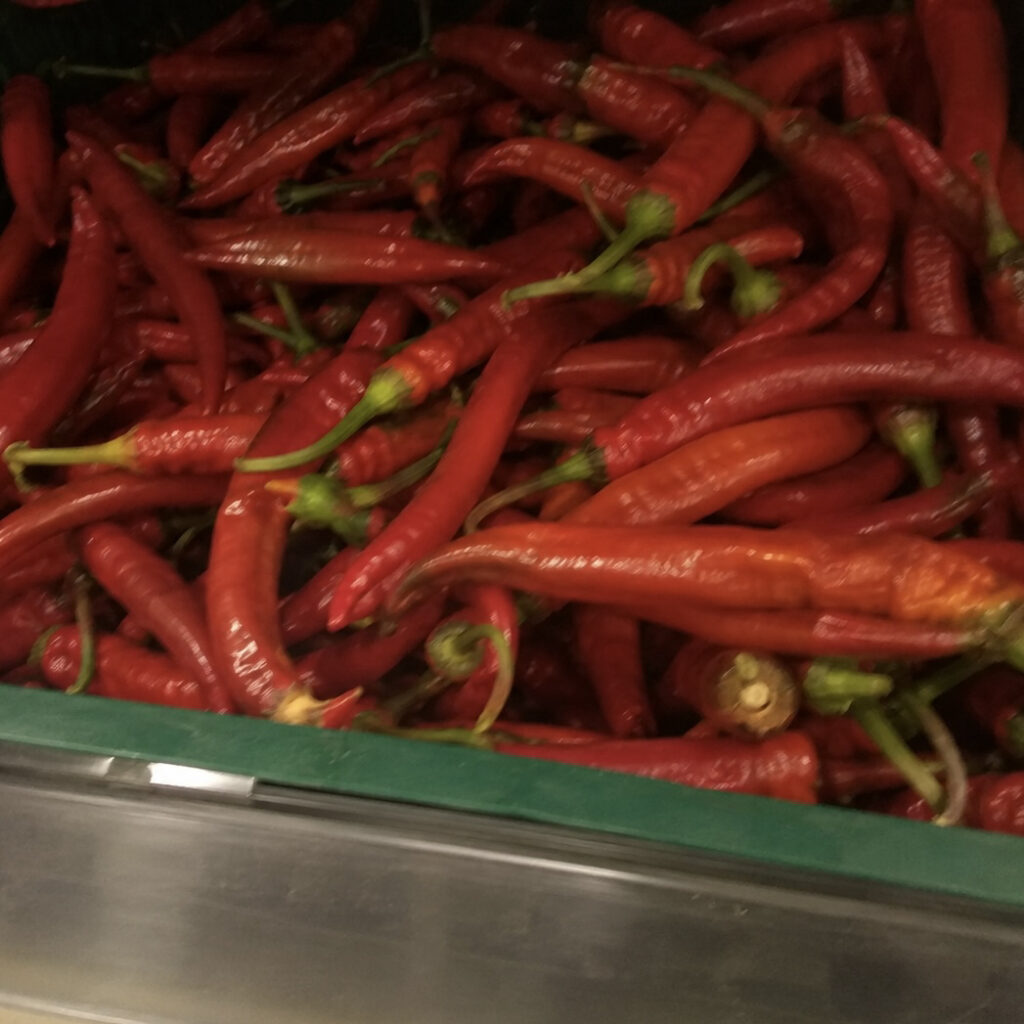
I get this question all the time: “If gochugaru is just pepper, can’t I just blend fresh red chilis in a food processor?”
It sounds logical, but please don’t do it! Blending fresh chilis will give you a watery chili puree, not gochugaru, and it can completely throw off your recipe for three reasons:
1. Too Much Water: Fresh chilis are about 80% water. If you use them in kimchi or stews, your dish will become incredibly watery and the flavors will wash out. Gochugaru acts as a sponge, absorbing excess moisture to keep sauces perfectly thick.
2. The “Grassy” Taste: Raw, un-dried chilis have a very sharp, bitter, and “grassy” flavor (what Koreans call put-nae).
3. The Magic of Sun-Drying: Authentic gochugaru is fully dried under the sun. This drying process naturally concentrates the pepper’s sugars, removing the raw bitterness and unlocking a deep, smoky sweetness you can never get from a fresh pepper.
Q2. Why Do Korean Recipes Use Both?
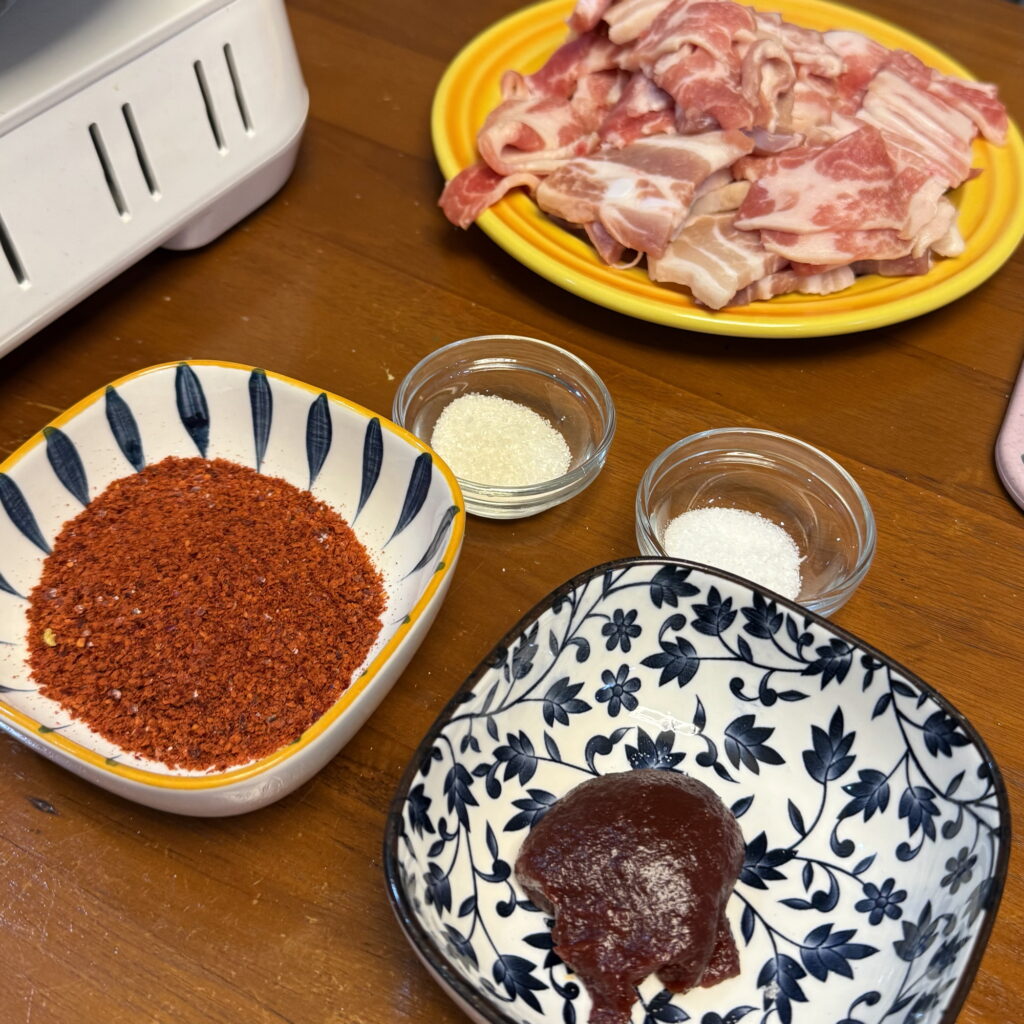
If they’re so different, why do so many recipes call for both in the exact same dish?
The short answer: They are the ultimate power couple.
When making spicy Korean dishes, gochujang provides that deep, savory, slightly sweet base that coats everything beautifully. But if you only use gochujang, the sauce can taste a bit too heavy, flat, or overly sweet. That’s when we toss in gochugaru to punch up the bright red color, add a kick of fresh heat, and balance out the sweetness without making the sauce too thick.
Without gochugaru, the dish lacks bite. Without gochujang, it lacks depth. They just need each other!
Q3. Can You Substitute One for the Other?
Not really.
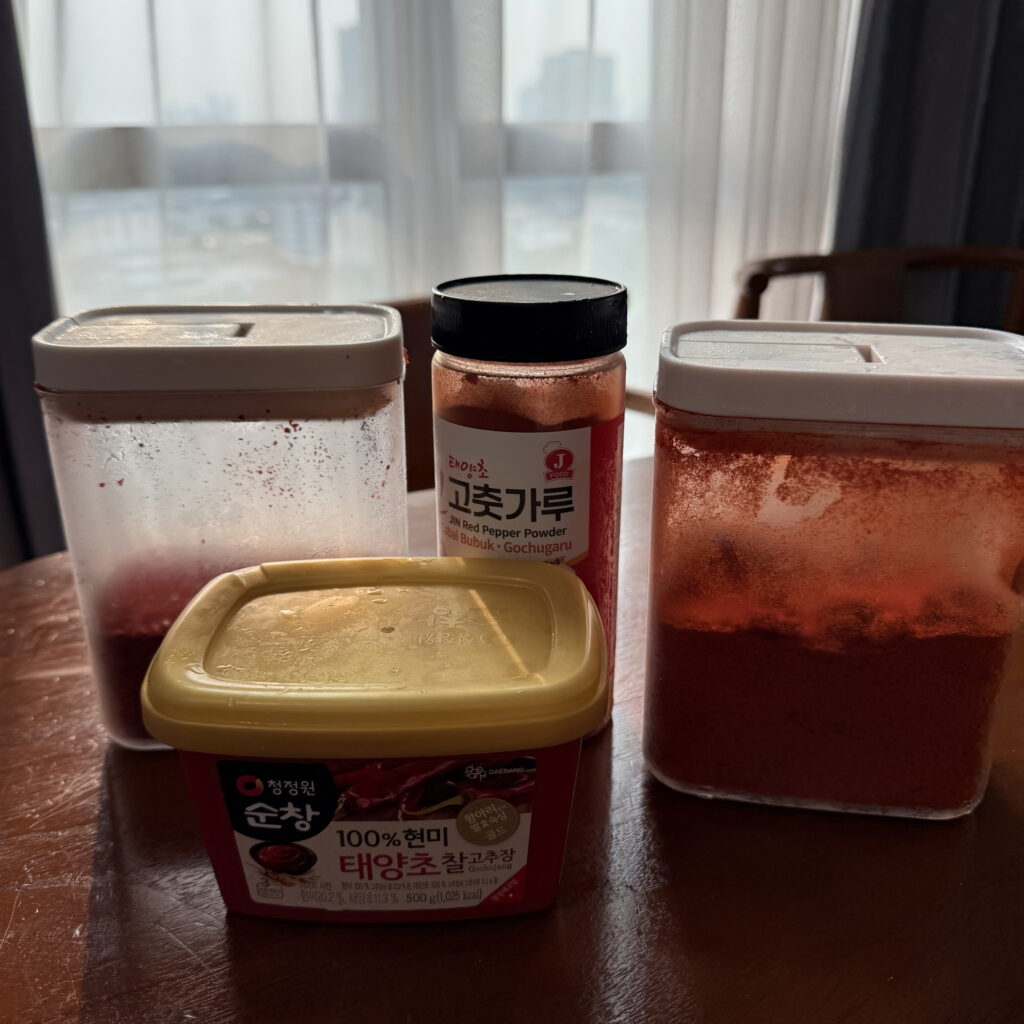
I’ve seen many recipes online suggest substitutions, but the results are usually very different from the original dish.
Replacing gochugaru with gochujang can make your dish much thicker and sweeter than intended.
If you replace gochujang with gochugaru, the dish may taste sharper and less complex.
In most cases, it’s worth keeping both ingredients in your pantry if you plan to cook Korean food regularly.
Final Thoughts
When I first started cooking Korean food abroad, I was surprised by how many people thought gochujang and gochugaru were the same ingredient. It’s an easy mistake to make—they’re both red, they’re both made from Korean peppers, and they’re often used in the same recipes.
But once you understand what each ingredient brings to a dish, Korean cooking becomes much easier. Gochujang adds sweetness, richness, and depth, while gochugaru brings color, heat, and fresh chili flavor.
If you’re planning to cook Korean food regularly, I recommend keeping both in your pantry. They’re two of the most essential ingredients in Korean cooking, and together they help create the flavors that make Korean dishes so unique.
Have you cooked with gochujang or gochugaru before? You might be surprised by how different they are once you try them side by side.
🥢 Curious About Korean Soy Sauce?
Learn the difference between Korean soy sauces and how to use them in cooking.
→ Read: Korean Soy Sauce Guide
🌶 New to Korean Cooking?
Discover the essential Korean ingredients every home cook should know.
→ Read: Essential Korean Pantry Staples

Hi, I’m Vella, a Korean home cook sharing easy Korean recipes for everyday cooking. I focus on simple recipes, practical tips, and ingredients that are easy to find outside Korea.