
⏱️ Cooking time: 15 minutes
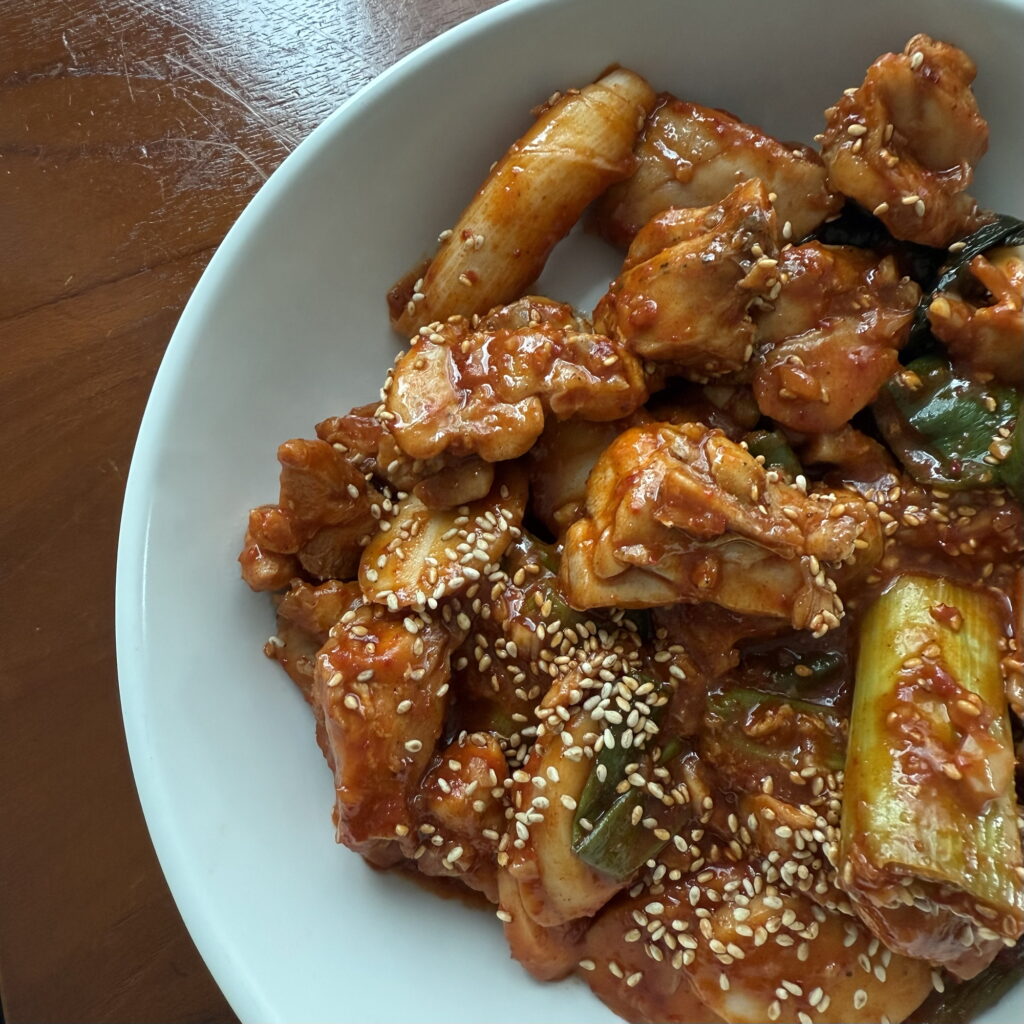
🥢 Introduction
Korean food is often known for bold flavors, but many home-style dishes are actually quick and uncomplicated. This Korean-style chicken stir-fry is one of those everyday recipes — simple, flexible, and easy to make with ingredients you can find almost anywhere.
This dish works well on busy days when you want something satisfying without spending too much time in the kitchen. It doesn’t rely on specialty Korean ingredients or precise techniques, which makes it especially useful if you’re cooking outside of Korea or just working with what you already have at home.
If you’re looking for an easy Korean chicken recipe that feels comforting, practical, and reliable, this stir-fry is a great place to start.
🛒 Ingredients
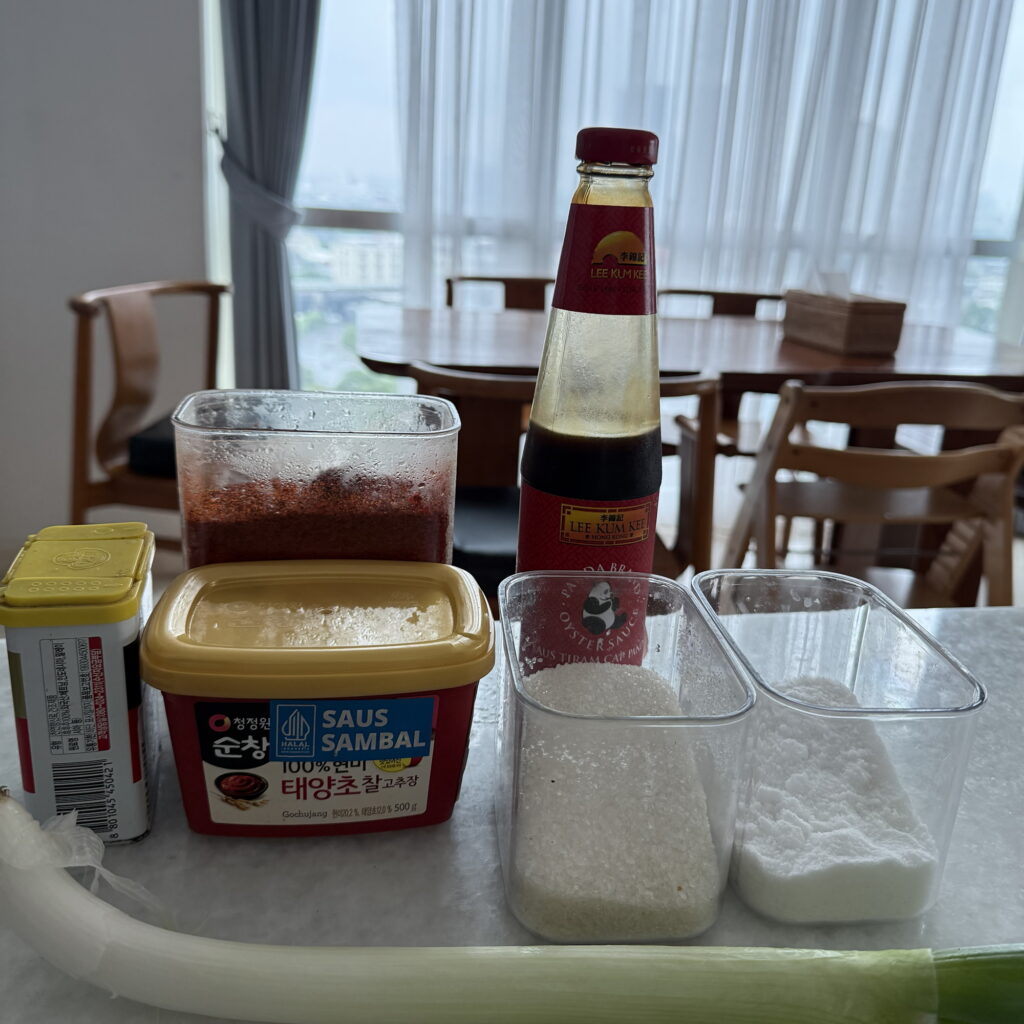
✔️ 300g boneless chicken thighs, cut into bite-sized pieces
✔️ 1 green onion, sliced
✔️ 2 pinches of salt
✔️ Black pepper, a few shakes
✔️ 1.5 tablespoons gochujang (Korean red chili paste)
✔️ 2 tablespoons gochugaru (Korean red chili flakes)
✔️ 1 tablespoon oyster sauce
✔️ 1.5 tablespoons sugar
✔️ 2 tablespoons minced garlic
✔️ 2 tablespoons water
✔️ Neutral cooking oil, as needed
✔️ 1 fresh chili pepper, sliced (optional)
👩🍳 Instructions
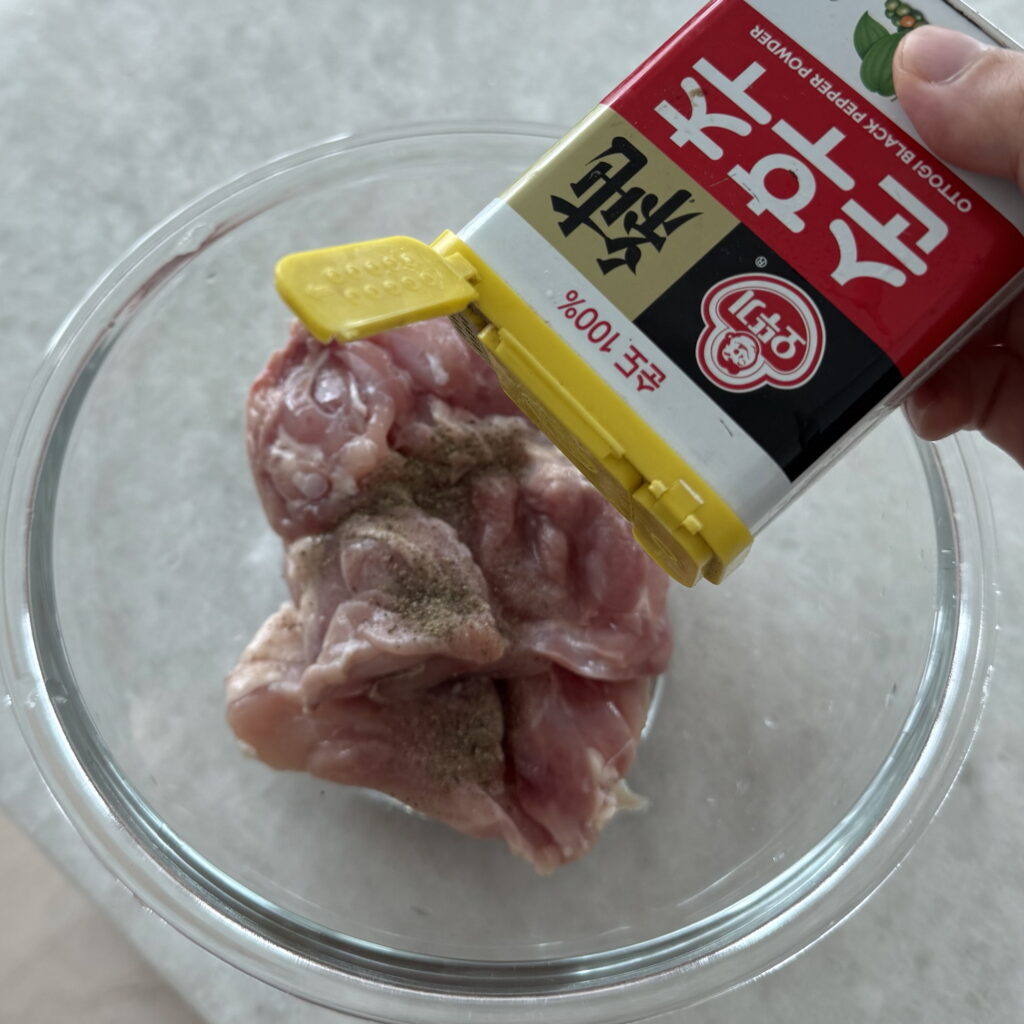
Step 1. Season the chicken
Place the chicken thighs in a bowl. Season with two pinches of salt and a few shakes of black pepper. Let rest for 15–20 minutes.
Step 2. Make the sauce
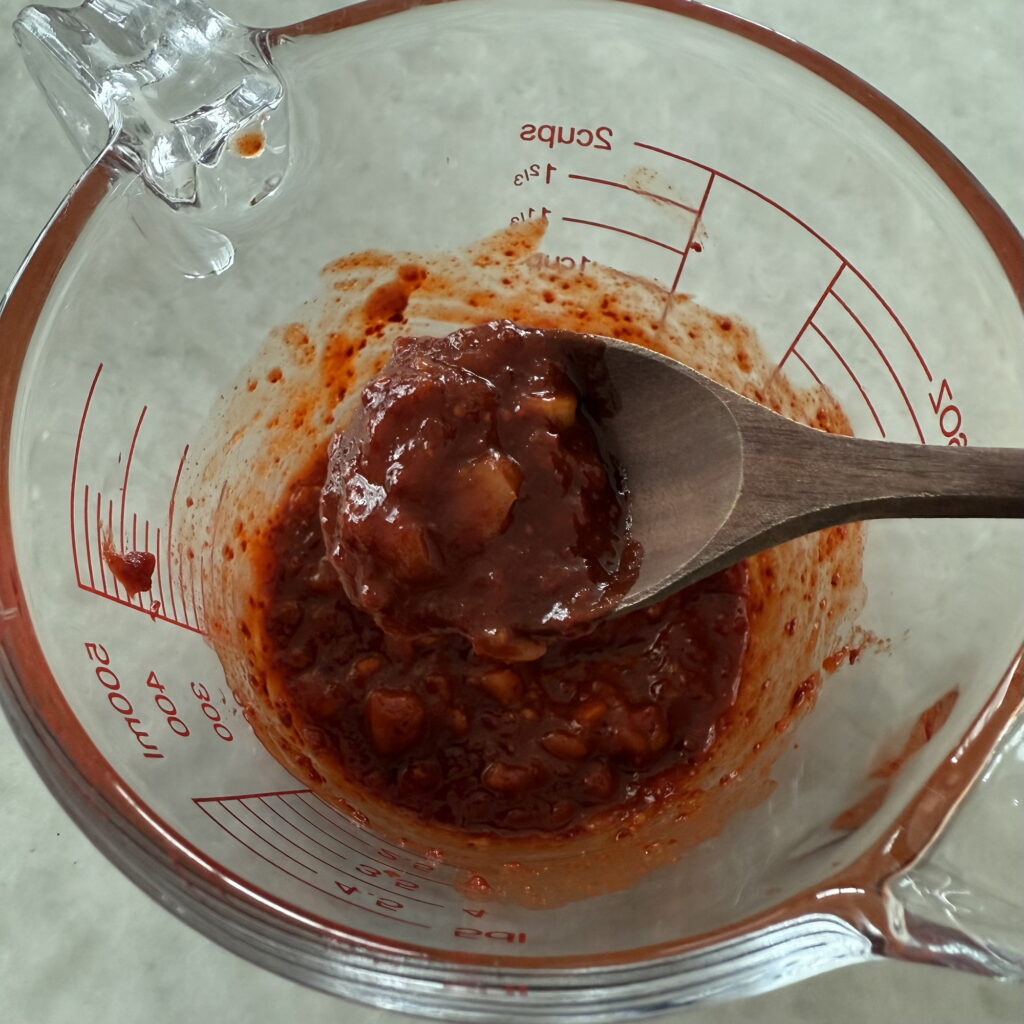
In a small bowl, combine the gochujang, gochugaru, oyster sauce, sugar, minced garlic, and water. Mix until smooth.
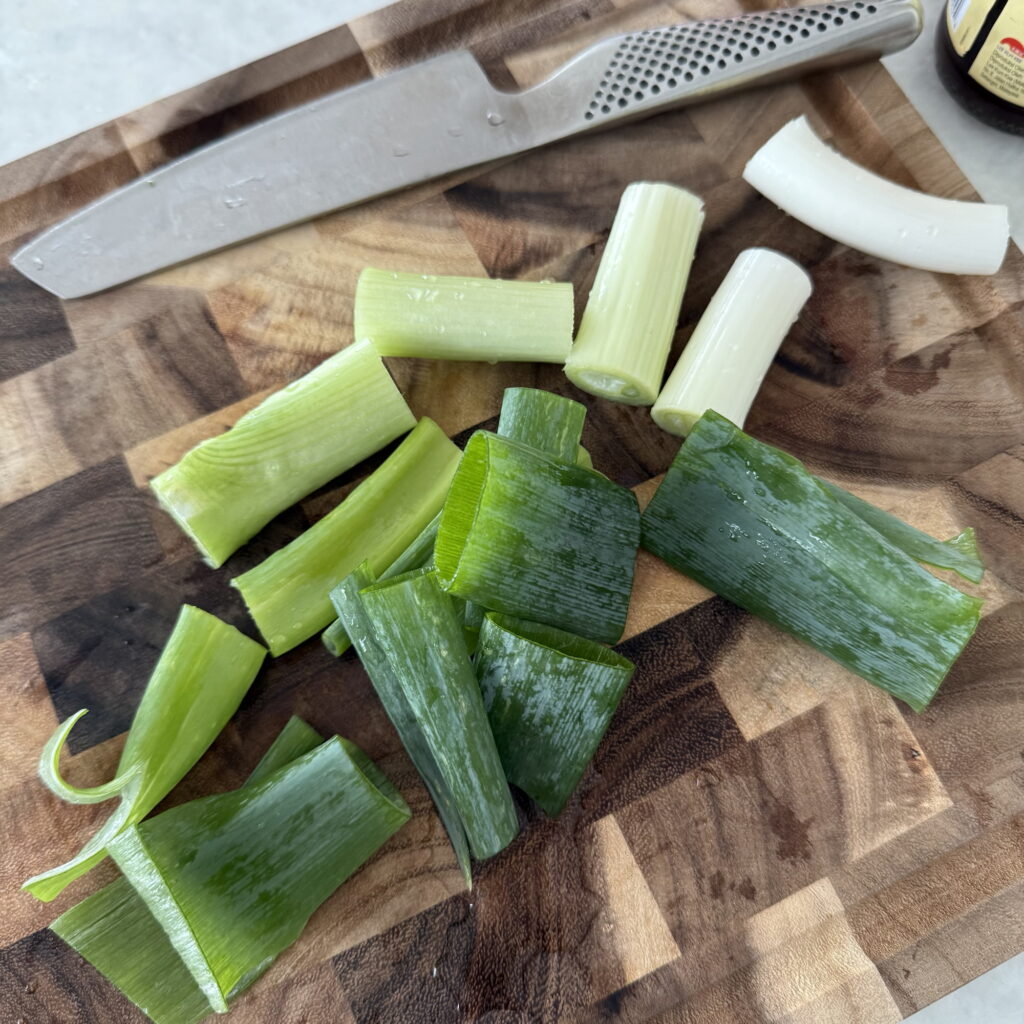
Step 3. Cook the green onion
Heat a pan over medium-high heat with a little oil. Add the green onion and cook briefly until fragrant.
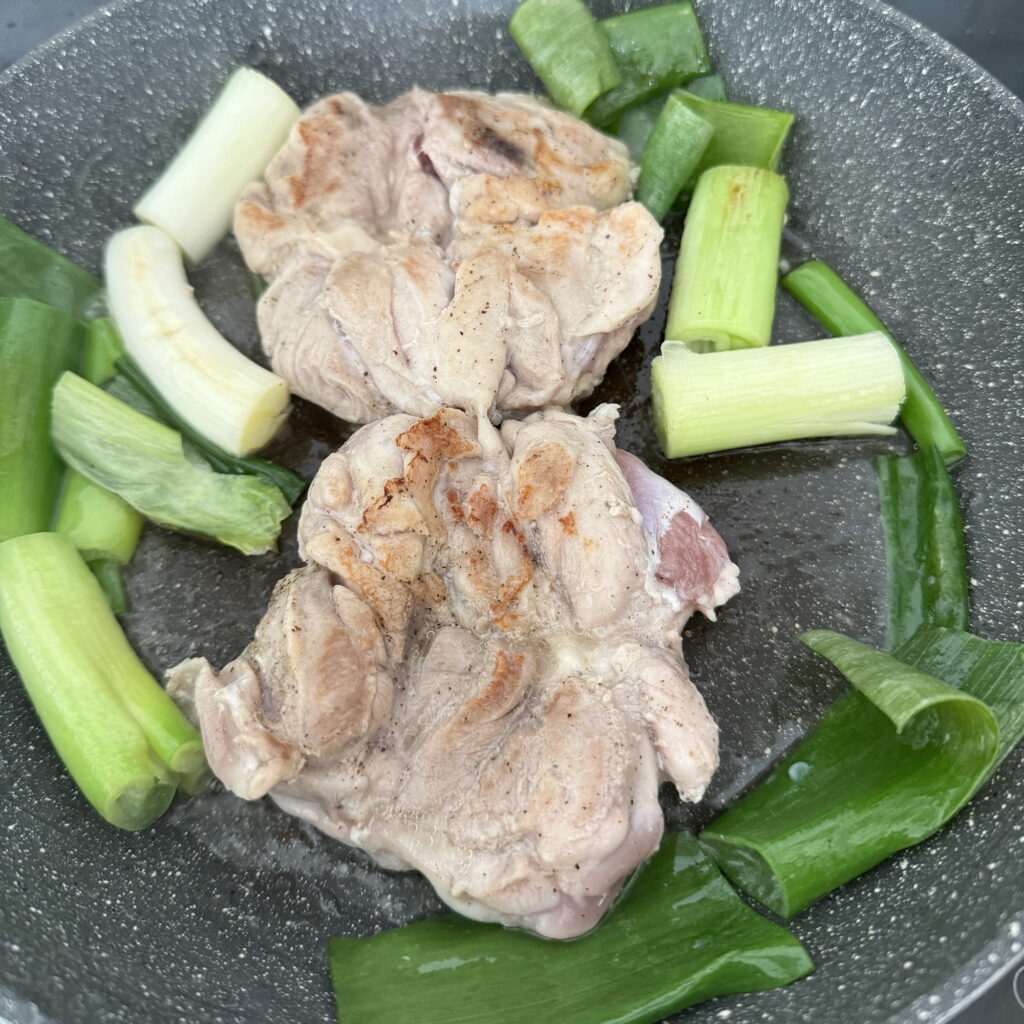
Step 4. Sear the chicken
Add the chicken to the pan and cook over high heat until the outside is lightly browned.
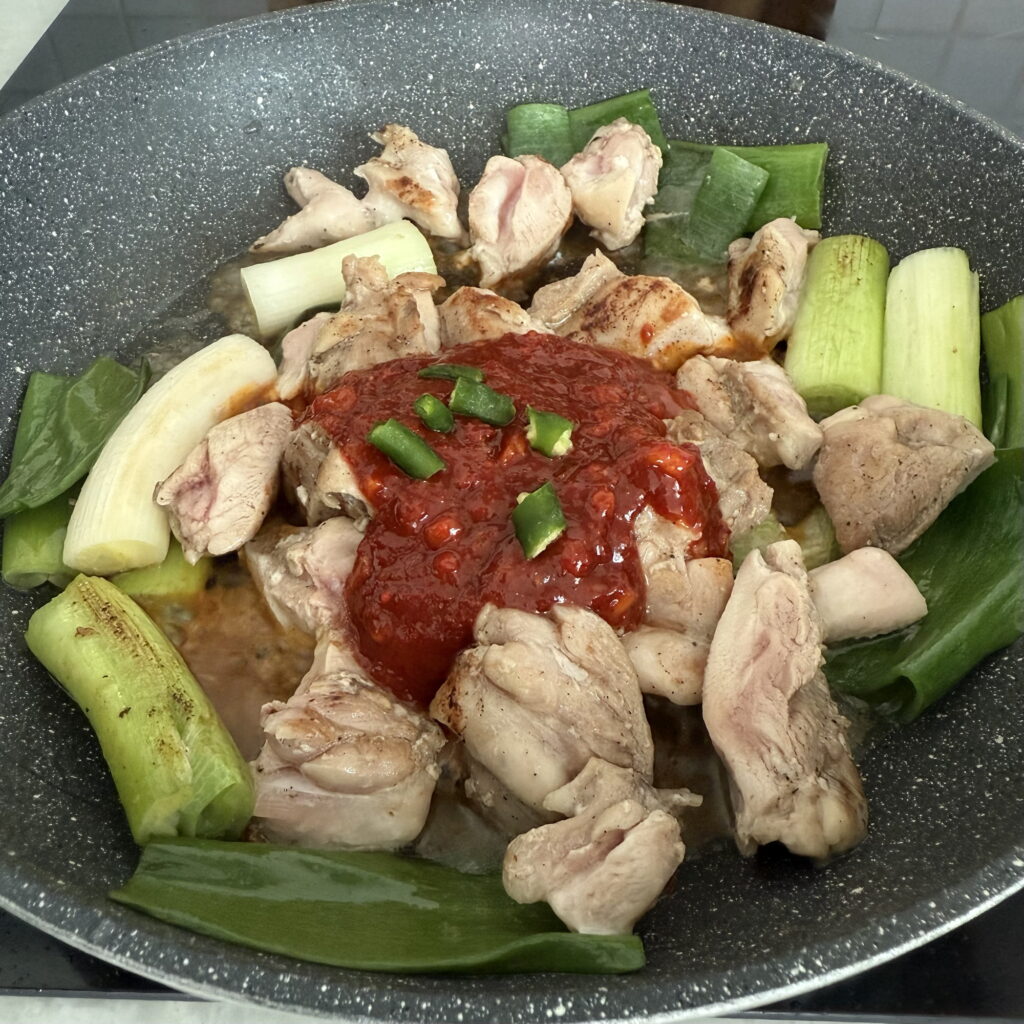
Step 5. Add the sauce
Lower the heat to medium. Add the sauce and sliced fresh chili, stirring to coat the chicken evenly.
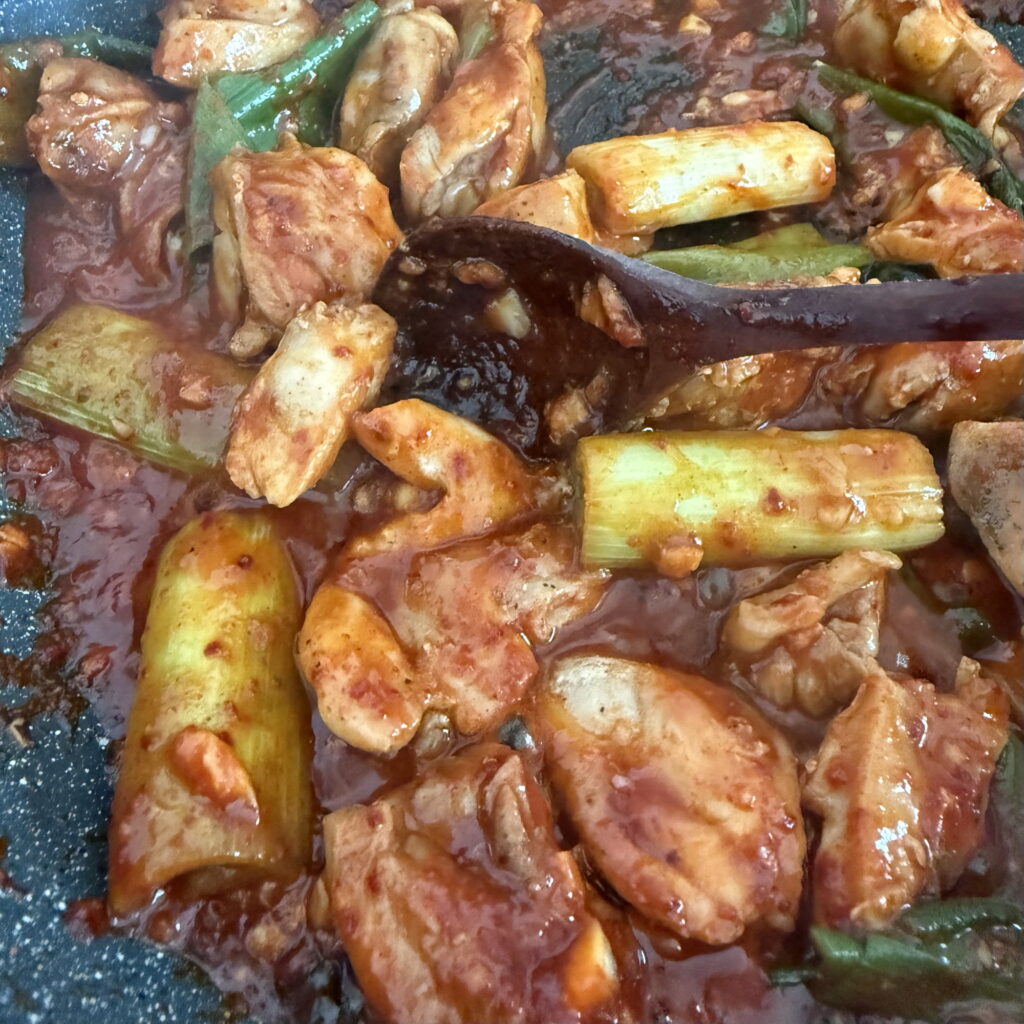
Step 6. Simmer
Let the chicken cook until the sauce thickens and the chicken is fully cooked, stirring occasionally.
If the pan starts to look dry, add about 1 tablespoon of water.
Step 7. Finish and serve
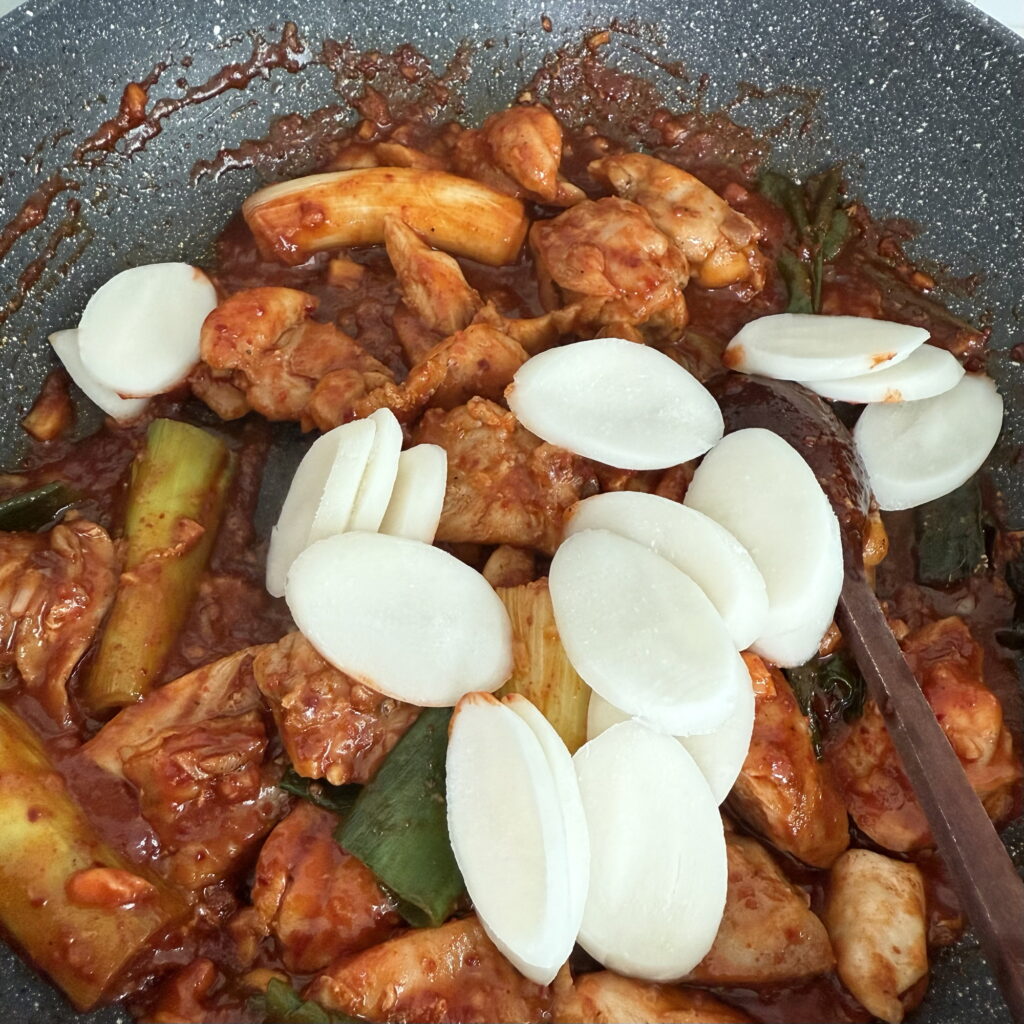
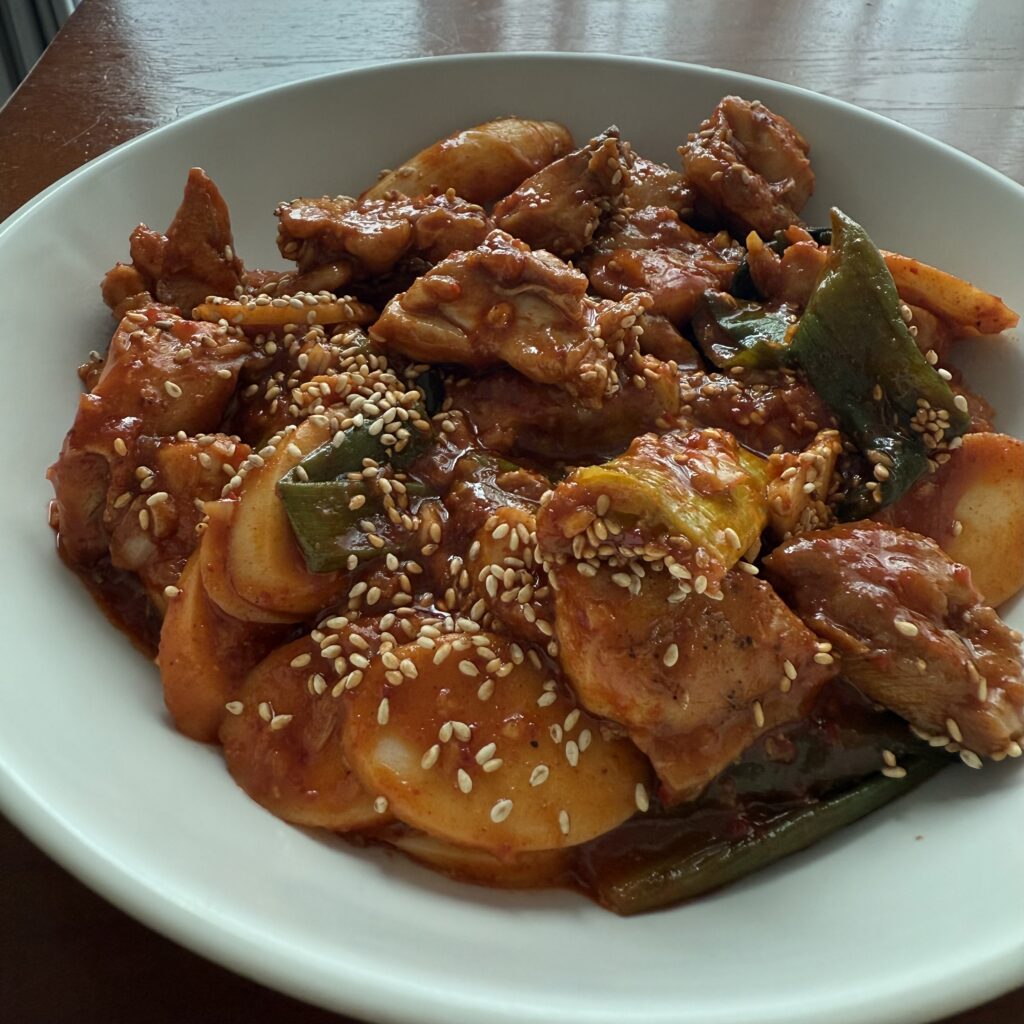
At the end, feel free to add rice cakes or noodles if you like, and finish with a sprinkle of sesame seeds.
Serve while warm.
🍽️ Serving Tips
✔️ Serve with steamed rice for a simple, satisfying meal.
✔️ This dish also works well as a casual main for sharing, especially with drinks.
✔️ If you want to make it more filling, add rice cakes or noodles toward the end and let them soak up the sauce.
✔️ Finish with a light sprinkle of sesame seeds for extra aroma.
✔️ Leftovers reheat well and often taste even better the next day.
💡 Additional Notes
✔️ If you enjoy spicier food, feel free to add more fresh chili to adjust the heat.
✔️ Be careful not to over-salt the chicken during seasoning. Too much salt at this stage can make the final dish overly salty.
✔️ The sauce may taste slightly mild on its own — this is intentional. Since the chicken is already seasoned, the flavors balance out as everything cooks together.
✔️ Avoid adding extra salt or soy sauce while cooking. If the dish needs more salt, adjust it at the very end of cooking, after the sauce has reduced.
❓ FAQ
Q. Can I cook everything together without searing the chicken first?
You can, but searing the chicken first helps build better flavor and reduces excess moisture in the pan. If you cook everything together from the start, the sauce may end up thinner and less concentrated.
Q. Why do you season the chicken before cooking?
Seasoning the chicken ahead of time allows the meat to absorb flavor evenly. This also helps keep the sauce balanced, instead of relying on salt added at the end.
Q. The sauce tastes mild before cooking — is that normal?
Yes. The chicken is already seasoned, so the sauce is meant to taste slightly mild on its own. Once everything cooks together and reduces, the flavors come together properly.
Q. Can I add more chili if I like spicy food?
Absolutely. Feel free to add more fresh chili to adjust the heat to your taste.
Q. When should I add more salt if needed?
If the dish needs more salt, adjust it at the very end of cooking, after the sauce has reduced. Adding salt too early can make the dish overly salty.
Q. What vegetables can I add to this dish?
This dish works best with vegetables commonly used in Korean cooking, such as onion, cabbage, carrot and mushrooms.
👉 Like this recipe?


👉👉 You Might Also Like

Hi, I’m Vella, a Korean home cook sharing easy Korean recipes for everyday cooking. I focus on simple recipes, practical tips, and ingredients that are easy to find outside Korea.